Former UGC Chief M. Jagadesh Kumar Urges Universities to Focus on Practical Learning
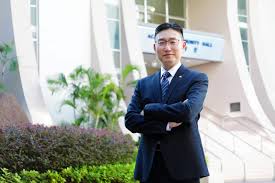
Former University Grants Commission (UGC) chairperson M. Jagadesh Kumar has urged universities and colleges to go beyond awarding degrees and help students build practical skills. Speaking to newly qualified students at an Institute of Cost Accountants of India (ICMAI) convention, he said graduates should leave with a portfolio of work that shows what they have designed, built, tested and learned.
Kumar, who is chairperson of the Board of Governors of IIM Calcutta, linked the quality of education today with the decisions young people will make as professionals and leaders by 2047. He highlighted the role of institutions, leadership and faculty in helping students become capable of adapting to change, solving problems and contributing to the country’s development.
What M. Jagadesh Kumar Said About Higher Education
| Theme | Key point |
|---|---|
| Purpose of universities | Institutions should move beyond being only degree-granting bodies. |
| Graduate outcomes | Students should be able to demonstrate practical work, not only present a qualification. |
| Examples of student work | A design, project, open-source contribution or community interaction. |
| Learning from setbacks | Students should be able to explain what they tried, where they failed and how they improved. |
| Institutional role | Leadership and faculty capacity are important to the success of education policies. |
Why Practical Learning Matters
Kumar’s comments place practical learning alongside academic study. A project or portfolio can give students a way to show how they apply concepts, work through challenges and improve an idea. His examples included building and testing a design, contributing to open-source work or engaging with a community. Such experiences can help learners connect classroom knowledge with real problems and make their abilities visible to employers, professional bodies and further-study programmes.
He also pointed to the value of learning from failure. Students should be able to describe not just a successful outcome, but also what did not work and what they changed as a result. The message is that persistence, reflection and revision can be part of a student’s development, alongside examination results and credentials.
Education and the 2047 Vision
Kumar said students currently in education will be among the decision-makers of 2047. Their future contribution, he argued, will depend in part on what the education system does now. That puts responsibility on universities and colleges to build students’ capacity for practical work, creativity and innovation. It also places importance on faculty members’ ability to adapt and on institutional leadership that can turn education policy into effective learning experiences.
Key Takeaways for Students and Institutions
- Build evidence of learning: Keep examples of projects, designs, research, community work or open-source contributions.
- Explain the process: Record how an idea was developed, tested and improved.
- Connect theory with practice: Look for opportunities to apply course concepts to real tasks or problems.
- Make room for reflection: Treat setbacks as a chance to identify what needs to change.
- Support faculty and institutions: Practical learning depends on educators and institutions having the capacity to support it.
Timeline
| Event | Date or period |
|---|---|
| ICMAI established | 1944 |
| Kumar addressed newly qualified students at the ICMAI convention | October 2026 |
| Target year referenced in his remarks | 2047 |
The remarks underline a broader question for higher education: how can institutions ensure students graduate with both academic qualifications and practical evidence of what they can do? Kumar’s answer was to place portfolios, projects, experimentation and learning from failure closer to the centre of the student experience.