Stuttgart is one of Germany’s strongest destinations for engineering, automotive technology, computer science, architecture, aerospace, artificial intelligence, manufacturing, agriculture, food science, and media education. Located in Baden-Württemberg, the city combines respected public universities with one of Europe’s most advanced industrial and research ecosystems.
The Stuttgart region is home to major automotive manufacturers, engineering companies, technology businesses, research institutes, and specialized suppliers. Students can access internships, working-student positions, university research projects, and graduate opportunities in automotive engineering, robotics, software, manufacturing, sustainable mobility, construction, aerospace, and industrial technology.
However, Stuttgart differs from many German study destinations in one important way: most degree-seeking students from outside the EU and European Economic Area must pay €1,500 per semester at state universities in Baden-Württemberg. This tuition is charged in addition to the regular semester contribution and living expenses.
Accommodation is another challenge. Student residences can be affordable, but availability is limited, while private housing is expensive. Stuttgart is therefore best suited to students who value strong technical education and career opportunities and are prepared to budget carefully.
Study in Stuttgart at a Glance
| Category | Details |
|---|---|
| City | Stuttgart, Baden-Württemberg |
| Best known for | Automotive engineering, mechanical engineering, manufacturing, research, technology, architecture, and mobility |
| Major research university | University of Stuttgart |
| Other major university | University of Hohenheim |
| Applied sciences institutions | HFT Stuttgart and Hochschule der Medien |
| Dual-study institution | DHBW Stuttgart |
| Specialized institutions | Stuttgart State Academy of Art and Design and Stuttgart University of Music and Performing Arts |
| Popular study areas | Engineering, computer science, automotive technology, aerospace, architecture, agriculture, food science, biotechnology, media, and business |
| Main languages of instruction | German and English |
| Non-EU tuition at state universities | Usually €1,500 per semester |
| Semester contribution | Commonly approximately €175–€195 |
| Typical living budget | Approximately €1,000–€1,400 per month excluding tuition |
| Main advantage | Outstanding industry and research connections |
| Main challenge | Non-EU tuition and expensive housing |
| Public transportation | S-Bahn, U-Bahn, buses, regional trains, and student ticket options |
| Nearby cities | Esslingen, Ludwigsburg, Tübingen, Reutlingen, Karlsruhe, and Ulm |
| Major career sectors | Automotive, engineering, software, aerospace, manufacturing, construction, agriculture, food technology, and research |
Why Study in Stuttgart?
Stuttgart is especially attractive to students who want an academic program closely connected to research, industry, and technological development.
One of Europe’s Strongest Engineering Regions
The Stuttgart region has a major concentration of:
Automotive manufacturers
Automotive suppliers
Mechanical engineering companies
Robotics companies
Software businesses
Industrial automation firms
Mobility research centers
Aerospace organizations
Energy technology companies
Advanced manufacturing facilities
Students can find opportunities related to electric vehicles, autonomous systems, automotive software, battery technology, fuel cells, smart manufacturing, lightweight materials, robotics, simulation, and sustainable mobility.
Access to Major Employers
Stuttgart and the surrounding region are associated with employers such as:
Mercedes-Benz
Porsche
Bosch
Daimler Truck
Mahle
ZF
Vector Informatik
Trumpf
Festo
Kärcher
IBM
DLR
Fraunhofer institutes
Max Planck institutes
The presence of major companies does not guarantee employment, but it creates a valuable environment for industry projects, internships, research partnerships, networking, and graduate recruitment.
Excellent Research Environment
The University of Stuttgart works closely with research institutions and industrial partners. The city and region support research in:
Aerospace
Simulation technology
Artificial intelligence
Quantum technologies
Robotics
Advanced materials
Manufacturing
Energy
Architecture
Mobility
High-performance computing
Students interested in academic research, doctoral study, or research and development careers can benefit from this ecosystem.
Strong Programs Beyond Engineering
Stuttgart is not limited to automotive and mechanical engineering. The University of Hohenheim is internationally recognized for agriculture, food science, biotechnology, bioeconomy, environmental sciences, nutrition, and economics.
HFT Stuttgart provides practice-oriented education in architecture, civil engineering, building physics, smart cities, geoinformatics, software technology, and business.
Hochschule der Medien specializes in media, communication, printing, publishing, information science, design, audiovisual media, and digital technologies.
Central European Location
Stuttgart is well connected to southern Germany, Switzerland, Austria, and France. Students can travel to:
Munich
Frankfurt
Heidelberg
Karlsruhe
Strasbourg
Zurich
Basel
Lake Constance
The Black Forest
Stuttgart Airport, high-speed trains, regional rail services, and long-distance buses support domestic and international travel.
High Quality of Life
Stuttgart offers parks, forests, vineyards, cultural institutions, museums, theaters, sports facilities, and outdoor activities. The city is surrounded by hills and green areas, making it suitable for students who want access to nature while living in a major economic center.
Best Universities in Stuttgart
| Institution | Type | Major strengths | Tuition profile |
|---|---|---|---|
| University of Stuttgart | Public research university | Engineering, computer science, aerospace, architecture, physics, and technology | €1,500 per semester for most non-EU students plus semester fee |
| University of Hohenheim | Public research university | Agriculture, food science, biotechnology, environmental science, and economics | €1,500 per semester for most non-EU students plus semester fee |
| HFT Stuttgart | Public university of applied sciences | Architecture, civil engineering, geomatics, building physics, IT, and smart cities | €1,500 per semester for most non-EU students plus semester fee |
| Hochschule der Medien | Public university of applied sciences | Media, communication, publishing, printing, design, and digital technology | €1,500 per semester for most non-EU students plus semester fee |
| DHBW Stuttgart | Public dual-study university | Business, engineering, health, and social work | Non-EU tuition may apply; students require an employer contract |
| Stuttgart State Academy of Art and Design | Public arts academy | Fine arts, design, architecture, and conservation | State tuition and semester charges may apply |
| Stuttgart University of Music and Performing Arts | Public arts institution | Music, theater, performance, composition, and conducting | Semester fee plus possible non-EU tuition |
| Merz Akademie | Private institution | Design, film, new media, and visual communication | Private program tuition |
University of Stuttgart
The University of Stuttgart is the city’s principal technical and research-oriented university. It offers approximately 160 bachelor’s and master’s programs covering engineering, architecture, computer science, natural sciences, humanities, economics, and social sciences.
The university is particularly well known for:
Mechanical engineering
Automotive engineering
Aerospace engineering
Civil engineering
Electrical engineering
Computer science
Software engineering
Simulation technology
Architecture
Materials science
Physics
Energy engineering
Environmental engineering
Campus Locations
The University of Stuttgart is divided primarily between two major locations.
Campus Vaihingen
Campus Vaihingen accommodates many technical and scientific departments, including:
Engineering
Computer science
Natural sciences
Research institutes
Laboratories
High-performance computing
Student residences
Central technical facilities
Vaihingen is one of the most convenient areas for engineering and computer science students.
Campus City Center
The city-center campus includes programs and facilities related to:
Architecture
Urban planning
Humanities
Social sciences
Selected engineering activities
University administration
Central libraries
Students should check where most classes and laboratory sessions will take place before choosing accommodation.
Popular Programs
Popular study areas include:
Aerospace engineering
Automotive engineering
Mechanical engineering
Mechatronics
Electrical engineering
Computer science
Software engineering
Information technology
Materials science
Physics
Civil engineering
Environmental engineering
Architecture
Simulation technology
Engineering cybernetics
Renewable energy
Technology management
Computational linguistics
English-Taught Master’s Programs
The University of Stuttgart offers several English-taught master’s programs. Depending on availability and intake, these may include:
Computer Science
Information Technology
Fundamentals and Applications of Mechanical Engineering
Computational Mechanics of Materials and Structures
Materials Science
Engineering Cybernetics
Electrical Engineering
Physics
Chemical Sciences
Computational Linguistics
Water Resources Engineering and Management
Infrastructure Planning
Integrated Urbanism and Sustainable Design
Integrative Technologies and Architectural Design Research
Geomatics for Environmental Monitoring
Some programs include German-taught electives or recommend German proficiency even when the core curriculum is in English.
Application Route
Applications are submitted through the university’s C@MPUS portal. The University of Stuttgart does not generally use uni-assist for its standard degree applications.
Applicants normally upload:
School or university certificates
Academic transcripts
Degree certificate
Module descriptions
Grading-system information
Language certificate
APS certificate where applicable
Curriculum vitae
Program-specific supplementary form
Other documents required by the department
Applicants should select the correct program language and intake in C@MPUS. Choosing the German version of a program instead of the English version can lead to incorrect requirements or an invalid application.
Tuition and Semester Contribution
Most degree-seeking students from outside the EU and EEA pay €1,500 per semester at the University of Stuttgart.
The university’s current semester fee is approximately €184. This is paid in addition to tuition.
A typical non-EU student therefore pays approximately:
| University charge | Amount per semester |
|---|---|
| Non-EU tuition | €1,500 |
| Semester contribution | Approximately €184 |
| Total standard university charge | Approximately €1,684 |
Program-specific or continuing-education charges may be different.
University of Hohenheim
The University of Hohenheim is located in the southern Stuttgart district of Hohenheim, near Plieningen. Its campus is centered around Hohenheim Palace and includes extensive agricultural, scientific, and research facilities.
The university is especially strong in:
Agricultural sciences
Food science
Biotechnology
Nutrition
Bioeconomy
Environmental science
Economics
Business
Sustainability
Earth and climate science
Popular Programs
Students can explore programs related to:
Agricultural sciences
Agricultural economics
Food science and engineering
Biotechnology
Nutritional science
Bioeconomy
Crop science
Animal science
Organic agriculture
Environmental science
Earth and climate systems
International business
Economics
Management
Information systems
English-Taught Programs
International master’s options may include:
Agricultural Economics
Agricultural Sciences
Bioeconomy
Biotechnology
Crop Sciences
Environmental Protection and Agricultural Food Production
Environmental Sciences
Earth and Climate System Science
Food Science and Engineering
International Business and Economics
Economics
Food Systems
Program requirements vary considerably. Some programs require subject-specific online tests, professional experience, quantitative coursework, or strong prior knowledge in biology, chemistry, statistics, economics, or agriculture.
Application Route
Most applications are completed through HohCampus, the university’s online application portal.
International applicants may need:
Bachelor’s degree
Transcript of records
Minimum academic grade
Subject-specific credits
English-language proof
APS certificate
Online pre-test
Statement of purpose
Ranking certificate
Professional-experience documents
Non-EU deadlines can be earlier than EU deadlines. Students should check the applicant-category deadline for the exact program.
Tuition and Semester Contribution
Most non-EU degree-seeking students pay €1,500 per semester.
For the winter semester 2026/27, the University of Hohenheim semester contribution is €174.50.
| University charge | Amount per semester |
|---|---|
| Non-EU tuition | €1,500 |
| Semester contribution | €174.50 |
| Total standard university charge | €1,674.50 |
Selected programs may charge additional tuition or use a separate fee model.
HFT Stuttgart
HFT Stuttgart, officially Stuttgart University of Applied Sciences, is located near the city center. It provides practice-oriented education with a strong focus on the built environment, technology, sustainability, digitalization, and applied sciences.
Major Study Areas
HFT Stuttgart offers programs in:
Architecture
Interior architecture
Civil engineering
Building physics
Climate engineering
Infrastructure management
Geomatics
Surveying
Geoinformatics
Computer science
Software technology
Applied mathematics
Business administration
Industrial engineering
Smart cities
Real estate
English-Taught Programs
International or English-taught master’s options may include:
Software Technology
Photogrammetry and Geoinformatics
Smart City Solutions
International Project Management
International Interior-Architectural Design
Sustainable Energy Competence
Some of these are non-consecutive or continuing-education programs with their own tuition models.
Tuition and Semester Fees
For standard bachelor’s and consecutive master’s programs, non-EU students generally pay €1,500 per semester.
For the winter semester 2026/27, the HFT Stuttgart semester contribution is €191.50.
Continuing-education degrees such as Smart City Solutions or International Project Management can charge separate program tuition instead of the standard international tuition structure.
Applicants must compare the program’s own tuition page with the general university fee page.
Hochschule der Medien
Hochschule der Medien, commonly called HdM Stuttgart, is a public university of applied sciences specializing in media and digital communication.
It is located near the University of Stuttgart’s Vaihingen Campus.
Study Areas
HdM offers programs related to:
Audiovisual media
Media computer science
Information design
Communication
Advertising
Publishing
Printing technology
Packaging technology
Library and information management
Digital media
Film and sound
User experience
Media business
Data and information systems
The institution is suitable for students seeking a combination of technology, creativity, communication, and commercial media education.
Admission
Applicants may need:
Recognized previous qualification
German or English language certificate
APS certificate
Portfolio
Aptitude assessment
Subject-specific academic credits
Internship evidence
Motivation documents
Some creative or design-focused programs can have additional selection procedures.
Tuition and Fees
Non-EU degree-seeking students generally pay €1,500 per semester under Baden-Württemberg’s international tuition rules.
General charges include:
Student-services contribution
Administrative fee
Student-body contribution
The total general semester charge is approximately €191.50 before non-EU tuition.
DHBW Stuttgart
DHBW Stuttgart is part of Baden-Württemberg Cooperative State University. It offers dual-study programs combining university education with paid employment at a partner company or social organization.
Students typically alternate between:
Three months of academic study
Three months of practical company training
Study Areas
DHBW Stuttgart offers bachelor’s programs in:
Business
Accounting
Finance
Engineering
Computer science
Information technology
Health
Social work
Industrial management
Mechatronics
Electrical engineering
Employer Contract Requirement
Applicants do not simply apply for a university place. They must usually secure a training contract with an approved corporate or institutional partner.
The partner company often recruits students up to a year before the program begins.
DHBW students:
Receive a monthly salary
Obtain practical work experience
Have employee insurance benefits
Alternate between academic and professional phases
Graduate with substantial workplace exposure
Non-EU students should confirm the language, employment, visa, and tuition implications with both DHBW and the partner company.
Stuttgart State Academy of Art and Design
The Stuttgart State Academy of Art and Design, known as ABK Stuttgart, offers education in:
Fine arts
Architecture
Communication design
Industrial design
Stage design
Textile design
Art conservation
Art education
Admission is usually based on artistic aptitude, portfolios, entrance examinations, and interviews.
Although selected classes may be available in English, many full programs require German proficiency. International applicants should check both the official program language and the language expected for theoretical coursework.
Stuttgart University of Music and Performing Arts
The Stuttgart University of Music and Performing Arts offers programs in:
Instrumental performance
Vocal performance
Composition
Conducting
Music theory
Church music
Drama
Puppetry
Music education
Performing arts
Admission depends primarily on artistic ability and successful completion of an entrance examination.
The university charges a €50 application-processing fee. The semester contribution is approximately €176.50, while additional non-EU tuition may apply.
Popular Courses in Stuttgart
Automotive Engineering
Stuttgart is one of the most important automotive education and research locations in the world.
Students can specialize in:
Vehicle engineering
Electric mobility
Automotive software
Autonomous driving
Powertrain systems
Battery technology
Lightweight design
Manufacturing
Vehicle dynamics
Control systems
Sustainable mobility
Many bachelor’s automotive programs are taught in German. English opportunities are more common through broader mechanical, electrical, information technology, or materials-science master’s programs.
Mechanical Engineering
Mechanical engineering is one of the region’s core academic and professional fields.
Possible specializations include:
Product development
Manufacturing technology
Robotics
Mechatronics
Materials and production
Microengineering
Energy systems
Industrial automation
Simulation
Computational mechanics
The University of Stuttgart’s English-taught Fundamentals and Applications of Mechanical Engineering program is a relevant option for international students.
Computer Science and Artificial Intelligence
Students can study:
Computer science
Software engineering
Artificial intelligence
Autonomous systems
Visual computing
Data science
Cybersecurity
Distributed systems
Service engineering
Embedded systems
High-performance computing
Media computer science
Stuttgart’s technology and manufacturing companies increasingly require professionals who understand both software and physical industrial systems.
Aerospace Engineering
The University of Stuttgart is particularly strong in aerospace research and education.
Career areas include:
Aircraft systems
Space systems
Propulsion
Computational fluid dynamics
Structural mechanics
Satellite technology
Lightweight materials
Simulation
Control engineering
Students can also explore research and employment opportunities with DLR and aerospace-related organizations in the region.
Architecture and Urban Planning
Stuttgart offers architecture and built-environment programs through the University of Stuttgart, HFT Stuttgart, and ABK Stuttgart.
Popular areas include:
Architecture
Urban planning
Interior architecture
Building physics
Climate engineering
Smart cities
Sustainable construction
Infrastructure planning
Real estate engineering
Computational design
Portfolio requirements may apply to architecture, interior design, and artistic programs.
Agriculture and Food Science
The University of Hohenheim is one of Germany’s most important institutions for:
Agricultural sciences
Agricultural economics
Food technology
Food science
Biotechnology
Crop science
Animal science
Nutrition
Bioenergy
Bioeconomy
Environmental protection
These programs can lead to careers in research, agribusiness, food manufacturing, sustainability, biotechnology, development organizations, and policy.
Media and Communication
HdM Stuttgart offers specialized options in:
Audiovisual media
Media management
Publishing
Communication
Advertising
Digital design
Media technology
Information science
Packaging
Film and sound
User experience
The Stuttgart region also supports creative industries, publishing, design, advertising, animation, and digital content.
Admission Requirements
Admission depends on the degree, institution, teaching language, and applicant’s previous qualifications.
Bachelor’s Admission Requirements
A typical bachelor’s application may require:
Recognized school-leaving qualification
Proof of university entrance eligibility
School transcripts
Passport
German-language certificate
APS certificate
Certified translations
Curriculum vitae
Pre-study internship
Portfolio or entrance test
Orientation-test certificate
Employer contract for a dual program
Indian Class 12 certificates do not automatically provide direct entry to every German bachelor’s degree.
Eligibility can depend on:
School board
Marks
Completed subjects
Entrance-examination results
Prior university study
Intended degree
Current German recognition rules
Some Indian applicants may require Studienkolleg followed by the Feststellungsprüfung. Others may qualify through recognized university education completed in India.
Master’s Admission Requirements
A master’s application may require:
Relevant bachelor’s degree
Minimum academic grade
Subject-specific credits
Transcript
Degree certificate
Module descriptions
Grading-system explanation
English or German language proof
Curriculum vitae
Statement of purpose
APS certificate
Letters of recommendation
Work experience
Portfolio
Program-specific form
Online pre-test
GRE or other assessment where required
Technical departments often evaluate the precise content of the previous degree. A degree titled “Mechanical Engineering” may still be insufficient if the transcript lacks required mathematics, mechanics, thermodynamics, control, design, or manufacturing modules.
German Language Requirements
Most public bachelor’s programs in Stuttgart are taught in German.
Commonly accepted certificates include:
TestDaF with the required score in each section
DSH-2 or DSH-3
telc Deutsch C1 Hochschule
Goethe-Zertifikat C2
Other university-approved qualifications
A typical academic requirement is C1-level German. Some institutions may permit an application with a lower level but require the final certificate before enrollment.
German is also important for:
Student employment
Internships
Housing communication
University administration
Medical appointments
Networking
Long-term employment
English Language Requirements
English-taught programs may accept:
IELTS Academic
TOEFL iBT
Cambridge English
Program-approved previous education in English
Other explicitly listed qualifications
Typical requirements range from IELTS 6.0 to 7.0.
The University of Stuttgart’s English-taught Computer Science master’s expects C1-level English. Some University of Hohenheim programs accept scores such as IELTS 6.5 or TOEFL iBT 90, while more demanding environmental programs may require higher scores.
A medium-of-instruction certificate is not universally accepted.
APS Certificate for Indian Students
Indian applicants generally need an APS certificate when their relevant academic qualification was issued by an Indian institution.
The University of Stuttgart lists APS as part of the country-specific application documentation for Indian applicants. Many University of Hohenheim, HFT Stuttgart, and HdM programs also request APS.
Applicants should:
Identify the correct APS procedure.
Check whether dMAT applies to their applicant group.
Prepare the complete academic document set.
Apply early.
Upload the original digital certificate without altering its validation features.
Follow the university’s document instructions.
Use APS separately for the visa process.
APS does not guarantee university admission or visa approval.
Tuition Fees for International Students
Baden-Württemberg charges most non-EU and non-EEA degree-seeking students €1,500 per semester at public state universities.
Who Usually Pays?
The fee commonly applies to:
Indian students
Other non-EU and non-EEA nationals
Students beginning a bachelor’s degree
Students beginning a consecutive master’s degree
Students without an applicable exemption
Who May Be Exempt?
Exemptions can include:
German citizens
EU and EEA citizens
Students with a German university entrance qualification
Eligible exchange students
Certain refugees
Students holding qualifying family or permanent residence permits
Students participating in qualifying university agreements
Students approved under specific hardship or disability provisions
Exemption is not automatic merely because a student has lived in Germany or holds a residence permit. The university must assess the documentation under the state law.
Estimated Academic Cost for a Non-EU Student
| Expense | Per semester | Per academic year |
|---|---|---|
| Non-EU tuition | €1,500 | €3,000 |
| Semester contribution | Approximately €175–€195 | Approximately €350–€390 |
| Total standard public-university charges | Approximately €1,675–€1,695 | Approximately €3,350–€3,390 |
Specialized programs can charge more.
Cost of Living in Stuttgart
The University of Stuttgart advises students to expect at least €992 per month for living expenses. A more comfortable private-housing budget may be higher.
| Expense | Typical monthly range |
|---|---|
| Student residence | €325–€460 |
| Private shared-flat room | €500–€750 |
| Private studio | €800–€1,200 or more |
| Food and groceries | €220–€320 |
| Health insurance | €130–€150 |
| Public transportation | €35–€65 |
| Phone and internet | €15–€35 |
| Study materials | €20–€60 |
| Leisure and personal expenses | €80–€180 |
| Broadcasting fee per household | Approximately €18 |
| Miscellaneous expenses | €60–€120 |
Estimated Monthly Budget
| Living arrangement | Living costs excluding tuition | With non-EU tuition averaged monthly |
|---|---|---|
| Student residence | €950–€1,200 | €1,200–€1,450 |
| Shared apartment | €1,100–€1,400 | €1,350–€1,650 |
| Private studio | €1,450–€1,850 | €1,700–€2,100 |
Estimated Annual Budget
A non-EU student should consider:
Living expenses: approximately €12,000–€16,800
Public-university tuition: approximately €3,000
Semester contributions: approximately €350–€390
Initial deposit and setup costs: approximately €800–€2,000
International travel and emergencies: additional
The standard financial proof for a German study visa in 2026 is €11,904, or €992 per month. This amount does not include Stuttgart’s non-EU tuition. Students should maintain separate funds for tuition because blocked-account withdrawals may not be available in time for enrollment payments.
Student Accommodation in Stuttgart
Affordable housing is in high demand throughout the Stuttgart region.
Student Residences
Studierendenwerk Stuttgart operates more than 5,800 housing places across Stuttgart, Ludwigsburg, Esslingen, and Göppingen.
Residence options include:
Shared apartments
Shared-floor rooms
Individual apartments
Accessible accommodation
Family housing
Many residence rents fall between approximately €325 and €460. Heating, water, electricity, waste disposal, and building services are commonly included, although internet may be separate.
Waiting periods can reach six months or more. Students should apply as early as possible.
Private Shared Apartments
Private WG rooms commonly cost €500–€750, depending on:
Neighborhood
Campus proximity
Room size
Furnishing
Utility inclusion
Transportation
Building condition
Central areas and locations near Vaihingen can be especially competitive.
Private Studios
Studios generally cost €800–€1,200 or more. Students should check whether the advertised price is warm rent or cold rent.
Cold rent excludes some or all utilities. Warm rent normally includes major operating costs but may still exclude electricity, internet, and broadcasting fees.
Neighborhoods for Students
| Area | Suitable for | General character |
|---|---|---|
| Vaihingen | University of Stuttgart and HdM students | Excellent campus access and strong demand |
| Stuttgart-Mitte | HFT, architecture, and city-campus students | Central, convenient, and expensive |
| Stuttgart-West | City-center access | Popular, lively, and costly |
| Stuttgart-Süd | Students seeking residential city life | Well connected with varied housing |
| Möhringen | Access to Vaihingen and southern districts | Practical and comparatively quieter |
| Plieningen | University of Hohenheim students | Close to Hohenheim and the airport |
| Birkach | Hohenheim students | Residential and campus-accessible |
| Bad Cannstatt | Students seeking wider housing options | Major transport hub with diverse housing |
| Feuerbach | Engineering students and working students | Industrial employment and useful connections |
| Zuffenhausen | Automotive-sector access | Practical for northern employers |
| Degerloch | Southern-city access | Residential and well connected |
| Esslingen | Students seeking alternatives outside Stuttgart | Attractive historic city with S-Bahn access |
| Ludwigsburg | Students considering northern alternatives | Separate city with regional connections |
Accommodation Scam Protection
Before paying a deposit:
Request a live or in-person viewing.
Verify the property address.
Confirm the landlord’s identity.
Read the complete rental contract.
Check whether Anmeldung is permitted.
Confirm the deposit amount.
Identify which utilities are included.
Avoid gift cards and cryptocurrency.
Do not send unnecessary sensitive documents.
Keep payment evidence.
Avoid pressure-based demands.
Be suspicious of unrealistically low rent.
Students should not transfer a deposit solely because a person emails a copy of an identity document. Stolen identity documents can be used in rental scams.
Transportation for Students
Stuttgart’s public transportation system includes:
S-Bahn
U-Bahn and light rail
Buses
Regional trains
Rack railway
Funicular railway
Bicycle-sharing services
The transport network extends into surrounding areas such as Esslingen, Ludwigsburg, Böblingen, and Waiblingen.
Deutschlandsemesterticket
The VVS Deutschlandsemesterticket costs €208.80 per semester under the current participating-university model. It is valid for six months on eligible local and regional public transportation throughout Germany.
The ticket is available only when a university has an applicable agreement. Students should not assume that it is automatically included at every Stuttgart institution.
Other options can include:
Deutschland-Ticket JugendBW for eligible younger students
Standard Deutschlandticket
Institution-specific student tickets
Monthly VVS education tickets
The standard Deutschlandticket costs €63 per month in 2026, while the JugendBW version is €45 per month for eligible users.
Long-distance ICE, IC, and EC trains are generally excluded from Deutschlandticket products.
Health Insurance
Health insurance is mandatory for university enrollment and residence purposes.
Eligible students under 30 can normally join statutory student health insurance. A realistic budget is approximately €130–€150 per month, depending on age, insurer, and care-insurance surcharge.
Students should verify whether their plan is accepted for:
Visa processing
University enrollment
Residence-permit applications
Regular medical care
Long-term study
Short-term travel insurance is usually insufficient once regular enrollment begins.
Scholarships
International students can explore:
DAAD scholarships
Deutschlandstipendium
University scholarships
Baden-Württemberg-STIPENDIUM
Erasmus+ funding
DAAD EPOS programs
Foundation scholarships
STIBET support
End-of-study grants
Research assistantships
HFT Stuttgart scholarships
Subject-specific funding
Deutschlandstipendium
The Deutschlandstipendium generally provides €300 per month to selected students.
Selection can consider:
Academic performance
Social engagement
Leadership
Personal circumstances
Professional experience
Voluntary work
Subject-related achievements
DAAD EPOS
Selected development-related programs at the University of Hohenheim may participate in DAAD EPOS funding.
Applicants commonly need:
Strong academic results
Relevant professional experience
Development-related motivation
Employer recommendations
Complete scholarship documents
Program admission eligibility
HFT Stuttgart Scholarships
HFT Stuttgart offers selected funding opportunities, including:
Deutschlandstipendium
University foundation scholarships
International student support
Rent subsidies for eligible students
Scholarships are competitive and should not be assumed in the initial budget.
Part-Time Jobs in Stuttgart
Common student positions include:
Research assistant
Teaching assistant
Software-development working student
Automotive engineering intern
Mechanical-design assistant
Data analyst
Simulation assistant
Laboratory employee
Manufacturing working student
Marketing assistant
Media-production employee
Retail worker
Restaurant employee
Warehouse assistant
Tutor
Event staff
Student support worker
Non-EU students with an appropriate study residence permit can generally work up to 140 full days or 280 half days per year. An alternative rule may permit work for up to 20 hours per week during the lecture period.
Mandatory internships and university assistant positions can be treated differently. Students should verify the rules before accepting employment.
German proficiency at B1 or B2 level can substantially improve access to internships and working-student positions.
Internships and Career Opportunities
Automotive and Mobility
Career opportunities include:
Vehicle development
Electric mobility
Battery systems
Automotive software
Autonomous driving
Testing
Manufacturing
Quality assurance
Supply chain management
Vehicle simulation
Sustainable transportation
Mechanical Engineering and Manufacturing
Students can pursue roles in:
Product development
Industrial automation
Robotics
Manufacturing systems
Production planning
Materials engineering
Plant engineering
Quality management
Technical consulting
Software and Artificial Intelligence
Technology roles include:
Software engineering
Embedded software
Data science
Computer vision
Artificial intelligence
Cybersecurity
Cloud systems
Autonomous systems
Industrial Internet of Things
High-performance computing
Aerospace and Research
Students can access opportunities in:
Aerospace systems
Propulsion
Simulation
Materials
Satellite technology
Fluid dynamics
Research institutes
Academic projects
Agriculture, Food, and Biotechnology
University of Hohenheim graduates can pursue careers in:
Agribusiness
Food technology
Biotechnology
Crop science
Sustainability
Environmental consulting
Development organizations
Agricultural policy
Research
Nutrition
Architecture and Construction
Career areas include:
Architecture
Structural engineering
Urban planning
Building physics
Smart cities
Sustainable construction
Project management
Geoinformatics
Infrastructure development
Student Life in Stuttgart
Stuttgart offers a quieter atmosphere than Berlin or Cologne, but it has strong cultural and recreational opportunities.
Popular student activities include:
Visiting Schlossplatz
Exploring the Schlossgarten
Walking through vineyards
Visiting the Mercedes-Benz Museum
Visiting the Porsche Museum
Attending concerts and theater
Exploring Wilhelma
Hiking in nearby forests
Visiting mineral baths
Joining university sports
Attending the Cannstatter Volksfest
Exploring Christmas markets
Taking trips to the Black Forest and Swabian Alps
Food
Students can use university cafeterias for subsidized meals and reduce expenses by cooking at home.
The city offers:
Indian restaurants
Asian supermarkets
Turkish and Middle Eastern food
Vegetarian and vegan restaurants
International grocery stores
German bakeries
Swabian cuisine
Indian Student Community
Indian students can find:
University groups
Cultural associations
Religious communities
Indian restaurants
Grocery stores
Professional networks
Regional Indian events
English may be common in technical departments and international companies, but German remains valuable for integration.
Climate
Stuttgart has a moderate continental climate.
Students can expect:
Warm summers
Cold winters
Occasional snow
Rain throughout the year
Short winter daylight hours
Hot periods in the city basin
A waterproof jacket, winter coat, layered clothing, and suitable footwear are important.
Safety
Stuttgart is generally safe for international students.
Recommended precautions include:
Secure valuables on public transportation.
Avoid poorly lit routes late at night.
Use official transport and licensed taxis.
Protect personal documents.
Verify rental offers carefully.
Avoid carrying large amounts of cash.
Learn the night-transport schedule.
Report stolen residence documents immediately.
Use caution around crowded events.
Keep emergency contacts available.
Germany’s medical and fire emergency number is 112. Police can be contacted at 110.
Advantages and Disadvantages of Studying in Stuttgart
| Advantages | Disadvantages |
|---|---|
| Outstanding engineering and automotive ecosystem | €1,500 non-EU tuition at most state universities |
| Strong research institutions | Expensive private housing |
| Excellent internship opportunities | Competitive residence availability |
| English-taught technical master’s programs | German is important for many industry roles |
| Major international employers | City geography can make travel slower |
| Strong aerospace, software, and manufacturing sectors | Transport tickets may not be included automatically |
| University of Hohenheim for agriculture and food science | Some campuses are far from the city center |
| Access to southern Germany and central Europe | Total non-EU study cost is higher than in many German states |
Application Timeline
Twelve to Eighteen Months Before Enrollment
Research institutions and programs.
Confirm the campus location.
Check non-EU tuition.
Review academic prerequisites.
Begin German preparation.
Review APS and dMAT requirements.
Estimate the total budget.
Nine to Twelve Months Before Enrollment
Take the required language test.
Collect transcripts and certificates.
Prepare module descriptions.
Arrange translations.
Apply for APS.
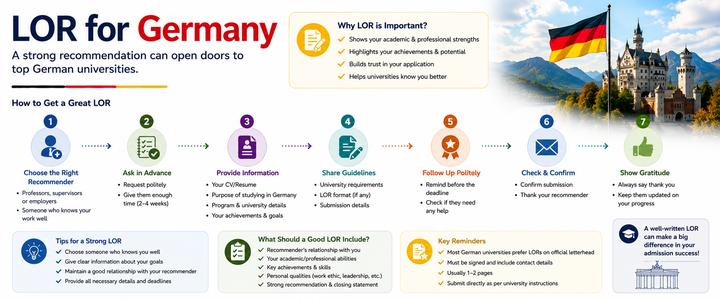
Request recommendation letters.
Prepare a portfolio if required.
Six to Nine Months Before Enrollment
Apply through C@MPUS, HohCampus, or the institution’s portal.
Complete program-specific forms.
Apply for scholarships.
Apply for student housing.
Prepare tuition funds separately from living-cost funds.
Track application status.
Three to Six Months Before Enrollment
Accept the admission offer.
Pay tuition and semester fees.
Arrange health insurance.
Prepare financial proof.
Submit the visa application.
Confirm temporary or long-term accommodation.
Before Departure
Complete enrollment.
Prepare original documents.
Arrange travel.
Carry necessary medicines.
Review campus transportation.
Activate university accounts.
Learn administrative German.
After Arrival
Register the address.
Activate a bank account.
Complete health-insurance registration.
Obtain the appropriate transport ticket.
Apply for a residence permit when required.
Attend orientation.
Register for courses.
Join career and student networks.
Checklist for Indian Students
Indian applicants should prepare:
Valid passport
Class 10 documents
Class 12 documents
Bachelor’s transcripts
Degree or provisional certificate
APS certificate
dMAT certificate if applicable
IELTS, TOEFL, TestDaF, or other language proof
Curriculum vitae
Statement of purpose
Recommendation letters
Module descriptions
Work-experience documents
Portfolio if required
Admission letter
Proof of tuition funds
Proof of living-cost funds
Health-insurance evidence
Visa documentation
Accommodation plan
Certified translations where required
Common Mistakes to Avoid
Assuming All German Public Universities Are Tuition-Free
Baden-Württemberg charges most non-EU students €1,500 per semester. This applies to many public institutions in Stuttgart.
Using the Blocked Account to Calculate the Complete Budget
The blocked-account amount covers financial proof for living expenses. It does not automatically cover tuition, semester charges, deposits, or setup costs.
Applying Through uni-assist Unnecessarily
The University of Stuttgart uses C@MPUS, while the University of Hohenheim uses HohCampus. Applicants should follow the institution’s actual process.
Selecting the Wrong Program Version
Some programs have separate German and English entries. Selecting the wrong version can create an invalid application.
Ignoring Module Descriptions
Technical master’s programs may require detailed course descriptions to evaluate the previous degree.
Applying for APS Too Late
Applications missing APS may be rejected as incomplete. Applicants should begin verification early.
Delaying the Housing Application
Residence waiting periods can exceed six months. Students should apply before receiving the final visa.
Choosing Housing Without Checking the Campus
A room near Hohenheim may be inconvenient for a Vaihingen student, while a central room may create a long commute to Plieningen.
Depending Entirely on Part-Time Work
Finding a relevant job can take time, and student work may not cover tuition and living expenses.
Frequently Asked Questions
Is Stuttgart a good city for international students?
Yes. Stuttgart is particularly strong for engineering, automotive technology, computer science, aerospace, architecture, agriculture, food science, and media.
Is studying in Stuttgart free?
Most EU and EEA students do not pay general tuition at state universities. Most non-EU degree-seeking students pay €1,500 per semester.
Do Indian students pay tuition in Stuttgart?
Indian students generally fall under the non-EU tuition rule and pay €1,500 per semester unless they qualify for an official exemption.
Is the €1,500 fee charged annually?
No. It is charged per semester, which normally means €3,000 for two semesters.
Does the tuition include the semester contribution?
No. The semester contribution is paid separately.
How much does a student need each month?
A realistic living budget is approximately €1,000–€1,400 per month, excluding tuition. Students in expensive private accommodation may need more.
Can I study in Stuttgart in English?
Yes, mainly at the master’s level. The University of Stuttgart, University of Hohenheim, HFT Stuttgart, and other institutions offer English-taught programs.
Are English-taught bachelor’s programs common?
No. Most public bachelor’s programs are taught in German. English-taught options are more common at private institutions or the master’s level.
Which university is best for engineering?
The University of Stuttgart is the city’s major research-oriented engineering university. HFT Stuttgart offers more applied programs in construction, architecture, geomatics, and technology.
Which university is best for agriculture and food science?
The University of Hohenheim is the main Stuttgart institution for agriculture, food science, biotechnology, nutrition, and bioeconomy.
Which university is best for media?
Hochschule der Medien specializes in media, communication, publishing, information design, printing, audiovisual media, and digital technology.
Is IELTS required?
Many English-taught programs accept IELTS, but TOEFL and other certificates may also be accepted. Requirements are program-specific.
Is German required for an English-taught program?
German may not be required for admission, but it is valuable for internships, part-time jobs, daily life, and graduate employment.
Is APS required for Indian students?
Yes, it is generally required for applicants whose relevant academic qualification was issued in India. Many Stuttgart universities require it during admission.
Is dMAT required for every Indian student?
No. It applies only to selected master’s applicant groups and subject areas under current APS rules.
Does the University of Stuttgart use uni-assist?
No. Standard degree applications are submitted through the university’s C@MPUS portal.
Is student housing difficult to find?
Yes. Student residences are affordable but highly competitive. Waiting periods can be six months or longer.
Does the semester fee include public transportation?
Not necessarily. Availability of a Deutschlandsemesterticket depends on the institution’s agreement. Students should check their university’s transport arrangements.
Can international students work part time?
Eligible non-EU students can generally work up to 140 full days or 280 half days annually, subject to immigration and employment rules.
Is Stuttgart safe for Indian students?
Yes. Stuttgart is generally safe for Indian and other international students. Standard precautions are recommended.
Final Thoughts
Stuttgart is one of Germany’s strongest destinations for students seeking technically demanding education and access to advanced industry. Its universities are particularly valuable for automotive engineering, mechanical engineering, computer science, artificial intelligence, aerospace, architecture, construction, agriculture, biotechnology, food science, and media.
The University of Stuttgart offers research-intensive technical education, while the University of Hohenheim provides specialized strength in agriculture, food, environmental science, and economics. HFT Stuttgart and Hochschule der Medien offer applied alternatives, and DHBW Stuttgart provides a distinctive paid dual-study model.
The main disadvantages are the €1,500-per-semester non-EU tuition fee and the expensive housing market. Students must budget for tuition separately from their blocked account, apply for accommodation early, and verify whether they qualify for any fee exemption.
For students who plan their finances properly, develop German-language skills, and actively pursue internships or working-student positions, Stuttgart can provide an exceptional combination of education, research, industrial experience, and long-term career opportunities.