Germany is an attractive destination for students interested in psychology, cognitive science, behavioral research, neuroscience, organizational psychology, educational psychology, human development, and clinical psychology. Its universities offer scientifically rigorous programs that emphasize research methods, statistics, experimental design, psychological theory, and practical applications.
International students can find psychology courses at public research universities, universities of applied sciences, and private institutions. Most public bachelor’s programs in psychology are taught in German and can be highly competitive. English-taught options are more readily available at the master’s level, especially in learning sciences, neurocognitive psychology, cognitive science, organizational psychology, and interdisciplinary behavioral research.
Students must distinguish between studying psychology and qualifying as a psychotherapist. A general bachelor’s or master’s degree in psychology can support careers in research, human resources, user research, education, consulting, and behavioral science. It does not automatically provide authorization to practice psychotherapy. Psychotherapy is a regulated profession in Germany and requires an approved education pathway, a state examination, professional authorization, and further specialist training where applicable.
Psychology Courses in Germany: Quick Overview
| Factor | Details |
|---|---|
| Popular degree levels | Bachelor’s and master’s |
| Common degree titles | Psychology, Clinical Psychology and Psychotherapy, Business Psychology, Cognitive Science, Neurocognitive Psychology |
| Typical bachelor’s duration | 6 semesters |
| Typical master’s duration | 3–4 semesters |
| Main intake | Winter semester |
| Additional intake | Summer semester at selected universities |
| Teaching language | Primarily German at bachelor’s level; German or English at master’s level |
| Public-university tuition | Frequently no regular tuition for consecutive programs, but important exceptions apply |
| Semester contribution | Generally required |
| Main admission factors | Previous psychology credits, statistics, research methods, grades, and language proficiency |
| Popular specializations | Clinical, cognitive, organizational, educational, social, developmental, health, and neuropsychology |
| Psychotherapist qualification | Requires an approved regulated pathway and professional authorization |
| Post-study option | Eligible non-EU graduates may receive up to 18 months to seek qualified employment |
| German-language value | Essential for most clinical roles and highly beneficial across the wider job market |
Why Study Psychology in Germany?
Germany offers a broad range of psychology programs covering fundamental theory, experimental research, clinical applications, cognition, education, organizations, technology, and human behavior.
Strong Research Orientation
Psychology is generally taught as an empirical science in Germany. Students are expected to understand how psychological questions are converted into testable hypotheses, research designs, measurable variables, and statistically evaluated findings.
Programs may provide training in:
Experimental psychology
Quantitative research
Qualitative research
Psychometrics
Statistics
Behavioral experiments
Survey design
Psychological assessment
Neuroscientific methods
Data analysis
Research ethics
Scientific writing
This research orientation can prepare graduates for psychology-related employment as well as doctoral study.
Interdisciplinary Study Options
Psychology increasingly overlaps with other fields, including:
Neuroscience
Computer science
Artificial intelligence
Education
Business
Medicine
Public health
Economics
Sociology
Linguistics
Human–computer interaction
Students can therefore find interdisciplinary courses in cognitive science, learning sciences, behavioral data science, organizational psychology, and cognitive systems.
Public-University Options
Many public universities charge no regular tuition for consecutive bachelor’s and master’s programs. Students still pay semester contributions, and important tuition exceptions apply.
Public psychology programs can be competitive because of limited seats, research resources, and strong demand. Admission depends on academic eligibility and may involve strict grade or subject-credit requirements.
English-Taught Master’s Programs
Several German universities offer English-taught postgraduate study in fields such as:
Learning sciences
Neurocognitive psychology
Cognitive neuroscience
Cognitive science
Organizational psychology
Business and psychology
International management and psychology
Cognitive systems
English-taught clinical psychology programs leading toward German psychotherapy authorization are much less common because clinical education and professional practice require advanced German.
What Is Psychology?
Psychology is the scientific study of behavior, thought, emotion, perception, learning, development, personality, relationships, and mental processes.
Psychologists may investigate questions such as:
How do people learn and remember?
Why do individuals respond differently to stress?
How do emotions affect decision-making?
How do children develop language and social skills?
How does the brain support perception and behavior?
What influences employee motivation?
How can psychological treatments be evaluated?
How do people interact with technology?
What makes psychological assessments reliable?
How do social environments shape behavior?
Psychology involves more mathematics, statistics, research design, and data analysis than many prospective students expect. It is not limited to counseling or discussing human emotions.
Types of Psychology Courses in Germany
Bachelor’s in Psychology
A bachelor’s degree provides foundations in general psychology, biological psychology, developmental psychology, social psychology, personality, statistics, diagnostics, and research methods.
Common degree titles include:
Bachelor of Science in Psychology
Bachelor of Arts in Psychology
Business Psychology
Applied Psychology
Health Psychology
Cognitive Science
Psychology and Management
Psychology and Digitalization
A standard psychology bachelor’s generally lasts six semesters and awards 180 ECTS. Some applied or private programs may last seven semesters and incorporate a longer internship.
Master’s in Psychology
A consecutive psychology master’s builds on substantial undergraduate study in psychology.
Relevant degree titles include:
Master of Science in Psychology
Clinical Psychology and Psychotherapy
Neurocognitive Psychology
Cognitive Psychology
Work and Organizational Psychology
Business Psychology
Learning Sciences
Developmental Psychology
Health Psychology
Social Psychology
Cognitive Neuroscience
Human Factors
Behavioral Science
Most master’s programs last four semesters and award 120 ECTS. Selected applied programs last three semesters and may require a 210-ECTS bachelor’s qualification.
Doctoral Study
Students interested in advanced research can pursue a doctorate after a suitable master’s degree.
Potential doctoral fields include:
Cognitive psychology
Clinical research
Developmental psychology
Social psychology
Organizational behavior
Neuroscience
Educational psychology
Decision science
Health psychology
Psychological assessment
Human–computer interaction
Computational psychology
Doctoral candidates usually work with a university chair, graduate school, research institute, or externally funded project.
Short and Continuing-Education Courses
Universities and professional institutions may offer certificates in:
Coaching
Organizational development
Counseling
Psychological assessment
Human resources
Behavioral research
Health promotion
Mediation
User experience research
Data analysis
A short psychology certificate does not provide the same qualification as a full psychology degree and does not authorize psychotherapy.
Popular Psychology Specializations
Clinical Psychology
Clinical psychology studies mental disorders, psychological assessment, treatment research, prevention, and factors affecting mental health.
Students may study:
Psychopathology
Clinical assessment
Intervention methods
Treatment research
Health psychology
Developmental psychopathology
Neuropsychology
Research ethics
Evidence-based practice
Prevention
A clinical psychology specialization does not automatically grant permission to practice psychotherapy. Students must confirm whether a particular course is legally structured for the German psychotherapist qualification pathway.
Cognitive Psychology
Cognitive psychology examines mental processes such as:
Attention
Perception
Memory
Language
Reasoning
Learning
Decision-making
Problem-solving
It can lead to research in universities, technology companies, product development, human factors, and user experience.
Neuropsychology and Cognitive Neuroscience
This specialization examines the relationship between the brain, cognition, emotion, and behavior.
Students may learn about:
Brain structure and function
Neuropsychological assessment
Memory systems
Perception
Brain injury
Neuroimaging
Electrophysiology
Experimental methods
Cognitive modeling
Neuroscientific statistics
Clinical neuropsychology and patient-facing work may involve additional professional requirements.
Work and Organizational Psychology
Work and organizational psychology applies psychological research to workplaces, leadership, employee well-being, motivation, personnel selection, and organizational development.
Topics may include:
Employee selection
Leadership
Motivation
Team behavior
Organizational culture
Workplace health
Performance
Training
Career development
Organizational change
Graduates may work in human resources, organizational consulting, people analytics, assessment, workplace research, and employee development.
Business Psychology
Business psychology combines psychological knowledge with business, marketing, management, and consumer behavior.
Students may study:
Consumer psychology
Market research
Advertising psychology
Personnel psychology
Leadership
Behavioral economics
Negotiation
Organizational behavior
Customer experience
Decision-making
Business psychology programs vary considerably. Some contain a strong scientific psychology core, while others are primarily business degrees with selected psychology modules.
Educational Psychology and Learning Sciences
Educational psychology examines learning, instruction, motivation, development, assessment, and educational environments.
Relevant topics include:
Learning theories
Motivation
Instructional design
Educational technology
Child development
Assessment
Classroom behavior
Learning difficulties
Digital learning
Teacher and learner interaction
Developmental Psychology
Developmental psychology studies change across childhood, adolescence, adulthood, and old age.
Students may investigate:
Cognitive development
Emotional development
Social development
Language acquisition
Parenting
Identity
Aging
Life transitions
Developmental disorders
Resilience
Social Psychology
Social psychology examines how people’s thoughts, emotions, and behavior are affected by other individuals, groups, institutions, and social environments.
Topics may include:
Attitudes
Prejudice
Group behavior
Social identity
Persuasion
Cooperation
Conflict
Interpersonal attraction
Cultural psychology
Political behavior
Health Psychology
Health psychology examines how psychological, behavioral, and social factors affect health and illness.
Students may study:
Health behavior
Stress
Coping
Prevention
Chronic illness
Treatment adherence
Workplace health
Behavioral interventions
Public health
Patient communication
Forensic Psychology
Forensic psychology applies psychological knowledge to legal and criminal-justice contexts.
Relevant areas can include:
Offender behavior
Risk assessment
Eyewitness memory
Legal decision-making
Rehabilitation
Psychological evaluation
Juvenile justice
Victim psychology
Professional forensic assessment roles may require advanced training, supervised experience, and strong German.
Environmental Psychology
Environmental psychology studies interactions between people and physical or natural environments.
Potential topics include:
Climate-related behavior
Sustainable choices
Urban environments
Environmental stress
Mobility behavior
Place attachment
Nature and well-being
Behavioral interventions
Public-space use
Human Factors and Engineering Psychology
Human factors applies psychology to the design of technology, systems, workplaces, vehicles, and interfaces.
Students may study:
Human–computer interaction
Usability
Cognitive ergonomics
Safety
Automation
Attention
Interface design
Decision support
User research
Human–AI interaction
Quantitative and Computational Psychology
This specialization focuses on measurement, statistics, modeling, and computational analysis of behavior.
Topics can include:
Psychometrics
Multilevel modeling
Structural equation modeling
Bayesian statistics
Machine learning
Computational modeling
Test development
Longitudinal analysis
Reproducible research
Behavioral data science
Psychology vs Related Fields
| Field | Primary Focus | Suitable for Students Interested In |
|---|---|---|
| Psychology | Scientific study of behavior and mental processes | Research, assessment, behavior, cognition, and applied psychology |
| Psychotherapy | Regulated assessment and treatment of mental disorders | Licensed clinical practice |
| Psychiatry | Medical diagnosis and treatment of mental disorders | Medicine, prescribing, and clinical care |
| Counseling | Guidance and support for personal or practical challenges | Supportive communication and advisory roles |
| Cognitive science | Interdisciplinary study of mind and cognition | Psychology, AI, neuroscience, linguistics, and philosophy |
| Neuroscience | Biological and neural basis of behavior and function | Brain research and laboratory science |
| Social work | Support for individuals, families, and communities | Social services and community intervention |
| Business psychology | Psychological applications in organizations and markets | HR, marketing, leadership, and consumer behavior |
| Educational science | Learning systems, teaching, institutions, and education policy | Education and instructional development |
Psychiatrists first complete medical education and then specialize in psychiatry. Psychologists do not prescribe medication merely because they hold a psychology degree.
Universities Offering Psychology Courses in Germany
The following institutions illustrate the range of psychology-related study options available in Germany. This is not a ranking, and programs, language requirements, admission criteria, and fees can change.
| Institution | Representative Psychology Area or Program |
|---|---|
| Leuphana University Lüneburg | English-taught BSc Psychology; Work and Organizational Psychology |
| Ludwig Maximilian University of Munich | Psychology: Learning Sciences and Human Development |
| University of Oldenburg | Research MSc Neurocognitive Psychology |
| Ruhr University Bochum | Cognitive Science and psychology research |
| Osnabrück University | Cognitive Science |
| Technical University of Darmstadt | MSc Cognitive Science |
| Ulm University | Cognitive Systems and cognitive neuroscience |
| Rhine-Waal University of Applied Sciences | International Management and Psychology |
| Catholic University of Eichstätt-Ingolstadt | Business and Psychology |
| Humboldt University of Berlin | Psychology, mind, brain, and behavioral research |
| Free University of Berlin | Psychology and cognitive research |
| University of Hamburg | Psychology and clinical psychology |
| University of Cologne | Psychology and clinical psychology |
| Heidelberg University | Psychology in Research and Application |
| University of Freiburg | Psychology and clinical psychology |
| University of Tübingen | Psychology, cognition, and neuroscience |
| University of Göttingen | Psychology and cognitive science |
| TU Dresden | Psychology, clinical psychology, and human performance |
| University of Mannheim | Psychology, social science, and organizational research |
| International Psychoanalytic University Berlin | Psychology and clinically oriented private programs |
Students should use the DAAD program databases and official university pages to confirm current details.
Representative English-Taught Psychology Programs
BSc Psychology at Leuphana University Lüneburg
Leuphana University offers a six-semester psychology bachelor’s program whose psychology-major courses are taught in English.
The curriculum provides scientific foundations in psychology and research methods. Students should check the language of the selected minor, complementary studies, and other university-wide modules because the range of English minor subjects can be limited.
An English psychology bachelor’s does not automatically qualify a student for German psychotherapy training. Applicants interested in clinical practice must check whether the curriculum satisfies the legal prerequisites for the relevant clinical master’s pathway.
MSc Psychology: Learning Sciences and Human Development at LMU Munich
This four-semester English-taught program combines psychology, educational science, human development, cognition, instruction, motivation, emotion, and quantitative research.
The interdisciplinary curriculum also connects psychological study with fields such as:
Neuroscience
Biology
Machine learning
Artificial intelligence
Computational modeling
Educational technology
The program is research-oriented and does not serve as a general clinical psychology or psychotherapy qualification.
Research MSc Neurocognitive Psychology at the University of Oldenburg
This English-taught two-year program provides advanced training in psychology, cognitive neuroscience, neuropsychology, research methods, and experimental work.
It is suitable for students interested in:
Cognitive research
Brain and behavior
Neuropsychology
Experimental design
Research careers
Doctoral study
Applicants generally need substantial previous psychology education and quantitative research preparation.
MSc Cognitive Science at Ruhr University Bochum
The English-taught MSc Cognitive Science combines psychology with philosophy, neuroscience, neural computation, psychiatry, and related fields.
Students may study:
Social cognition
Learning and memory
Perception and action
Language
Behavioral experiments
Neuroimaging
Statistics
Computational modeling
This is an interdisciplinary research course rather than a psychotherapy-qualifying clinical degree.
MSc Cognitive Science at Osnabrück University
Osnabrück offers an English-taught cognitive science master’s program combining psychology, computer science, artificial intelligence, neuroscience, linguistics, and philosophy.
It is relevant for students interested in human cognition, intelligent systems, computational modeling, and interdisciplinary research.
MSc Cognitive Science at TU Darmstadt
The four-semester MSc Cognitive Science provides compulsory study in English, with enough English electives to complete the degree. Students may access a wider elective range if they also understand German.
The course combines psychology with computational, scientific, and technical approaches to cognition.
MSc Cognitive Systems at Ulm University
The English-taught Cognitive Systems program connects psychology with computer science and intelligent technologies.
Students from psychology can learn computing and technical foundations, while students from computer science or related fields learn experimental psychology and cognitive research methods.
The program can lead to research and technology-oriented roles but does not provide psychotherapist authorization.
MSc International Management and Psychology at Rhine-Waal University of Applied Sciences
This English-taught three-semester course connects psychology with international management and organizational applications.
Students examine psychological principles relevant to organizations, employees, leadership, and management. Because it lasts three semesters, applicants should check the required number of bachelor’s credits.
MSc Business and Psychology at the Catholic University of Eichstätt-Ingolstadt
This program can be completed in English and combines business study with psychological approaches to decision-making, organizations, and markets.
Basic German is recommended for daily life and broader employment access, even when the degree is completed in English.
International Joint Master’s in Work and Organizational Psychology
Leuphana University participates in an international research master’s with partner universities in Maastricht and Valencia.
Students study at multiple European institutions and receive training in:
Work psychology
Organizational psychology
Human resources
Research methods
Statistics
Intercultural communication
Workplace interventions
Applicants should examine the mobility structure, participation costs, scholarship possibilities, and residence requirements.
Research Universities vs Universities of Applied Sciences
Research Universities
Research universities may be more suitable for students seeking:
Advanced psychological theory
Quantitative research
Laboratory experience
Academic research
Preparation for a doctorate
Experimental psychology
Neuroscience
Psychometrics
Universities of Applied Sciences
Universities of applied sciences may be more suitable for students seeking:
Applied business psychology
Human resources
Organizational development
Counseling-related applications
Practice-oriented projects
Industry collaboration
Marketing and consumer behavior
Work-integrated study
Students seeking a clinical psychology and psychotherapy pathway should verify the program’s legal eligibility separately. An applied psychology course does not automatically meet the requirements for psychotherapy training.
Bachelor’s in Psychology in Germany
A bachelor’s degree is appropriate for students applying after secondary education. Public psychology courses are often admission-restricted and can require very strong academic results.
Typical Bachelor’s Curriculum
Students may study:
General psychology
Biological psychology
Developmental psychology
Social psychology
Personality psychology
Differential psychology
Cognitive psychology
Statistics
Research methods
Experimental design
Psychological assessment
Clinical psychology
Educational psychology
Work and organizational psychology
Ethics
Scientific writing
Empirical research projects
Bachelor’s Admission Requirements
International applicants generally need a school-leaving qualification recognized as equivalent to the German university entrance qualification.
Requirements may include:
Recognized secondary-school certificate
Minimum academic grades
Mathematics preparation
English- or German-language proficiency
Academic transcripts
University-specific selection process
APS certificate for Indian qualifications, where applicable
Preliminary documentation through uni-assist, where required
If the school qualification does not provide direct admission, the applicant may need a Studienkolleg and assessment examination.
Admission Competition
Psychology programs at public universities can be highly competitive. Some institutions use:
School-leaving grades
University-specific selection criteria
Relevant subject grades
Aptitude assessments
Prior education
Waiting or special quotas
International-applicant procedures
Meeting the minimum eligibility requirement does not guarantee admission.
Master’s in Psychology in Germany
A consecutive psychology master’s normally requires a recognized bachelor’s degree with substantial psychology content.
Suitable Academic Backgrounds
Applicants may be considered from:
Psychology
Applied psychology
Business psychology
Cognitive science
Neuroscience
Education
Behavioral science
Human factors
Related empirical social sciences
Eligibility depends on the course. A general psychology master’s may require a full psychology bachelor’s, while an interdisciplinary cognitive science or learning-sciences degree may accept related backgrounds.
Academic Credit Matching
| Academic Area | Why It Matters |
|---|---|
| General psychology | Provides foundations in cognition, learning, emotion, and perception |
| Biological psychology | Connects behavior with brain and physiological systems |
| Developmental psychology | Covers behavioral change across the lifespan |
| Social psychology | Examines behavior in social environments |
| Personality psychology | Supports the study of individual differences |
| Statistics | Essential for analyzing psychological data |
| Research methods | Required for designing and evaluating studies |
| Psychological assessment | Supports testing, measurement, and diagnostics |
| Empirical project work | Demonstrates practical research ability |
| Bachelor’s thesis | Shows capacity for independent academic research |
Universities may reject applicants who lack specific credit areas even if their overall degree is related to psychology.
Importance of Statistics and Research Methods
Psychology master’s admissions often place significant emphasis on quantitative preparation.
Applicants may need to demonstrate previous study in:
Descriptive statistics
Inferential statistics
Regression
Experimental design
Psychometrics
Research methodology
Data analysis
Scientific reporting
A student with strong counseling experience but insufficient statistics and research-method credits may not qualify for a research-oriented psychology master’s.
Typical Application Documents
A psychology master’s application may require:
Bachelor’s degree certificate
Complete academic transcripts
Grading-system explanation
Detailed module descriptions
Curriculum vitae
Motivation letter
English- or German-language certificate
Bachelor’s thesis summary
Research proposal, where requested
Internship certificates
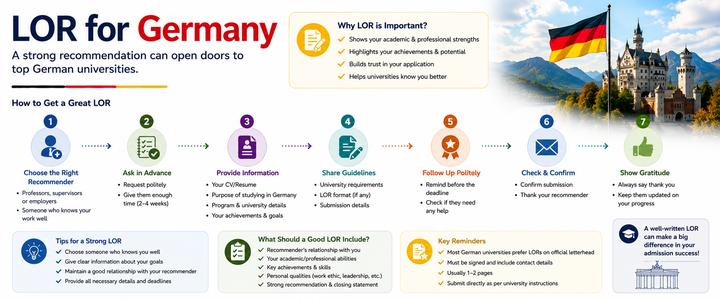
Letters of recommendation, where required
APS certificate for Indian qualifications, where applicable
Uni-assist evaluation, if required
University-specific credit-matching form
Entrance examination or interview, where applicable
Psychology, Psychologist, Psychotherapist, and Psychiatrist
These terms describe different educational and professional pathways.
Psychologist
A psychologist has completed substantial university study in psychology. Psychology-related research, organizational, educational, and behavioral roles are generally outside the regulated psychotherapist profession.
The professional use of the psychologist title is associated with an appropriately broad and equivalent academic psychology qualification. Foreign graduates may need evidence from anabin or a ZAB Statement of Comparability for immigration, employment, or proof of qualification.
Psychotherapist
Psychotherapy is a regulated profession in Germany. To work independently as a psychotherapist, professional authorization known as Approbation is required.
Under the reformed German training pathway, students generally complete:
A qualifying three-year bachelor’s program
A qualifying two-year master’s in clinical psychology and psychotherapy
The relevant state psychotherapeutic examination
Application for Approbation
Subsequent specialist psychotherapy training for the intended professional scope and statutory healthcare system
Not every psychology bachelor’s or master’s is designed for this pathway.
Psychiatrist
A psychiatrist is a medical doctor who has completed medical education and specialist training in psychiatry. Psychiatrists can perform medical diagnosis and prescribe medication within their professional authorization.
A psychology degree does not provide the medical qualification required to become a psychiatrist.
Counselor or Coach
Counseling and coaching titles may be used in different professional contexts, but a short counseling or coaching course does not create authorization to diagnose or treat mental disorders as a psychotherapist.
Clinical Psychology and Psychotherapy Pathway
International students who want to practice psychotherapy in Germany must select their degree pathway carefully from the beginning.
Qualifying Bachelor’s Program
The bachelor’s curriculum must contain the legally required scientific, methodological, clinical, and practical components for admission to a qualifying clinical psychology and psychotherapy master’s.
A general English-taught psychology bachelor’s may not satisfy these requirements.
Qualifying Master’s Program
The master’s must be specifically structured according to the relevant German legal and licensing requirements. A research master’s with a “clinical focus” in its title may still be insufficient.
State Examination and Approbation
After completing the approved university pathway, graduates take the required state examination and apply for Approbation.
Specialist Training
Additional postgraduate specialist training is required for the complete professional pathway and participation in the statutory healthcare system.
German Proficiency
Clinical study and psychotherapy practice require advanced German because students and professionals must:
Communicate with patients
Conduct assessments
Understand clinical records
Write professional reports
Follow healthcare law
Coordinate with medical professionals
Complete state and professional procedures
English-only study is not a practical route to German-language clinical authorization.
Recognition for Foreign-Trained Psychotherapists
Psychotherapists trained outside Germany must apply for recognition and Approbation through the competent German authority.
The authority may examine:
Academic education
Clinical training
Professional authorization in the country of qualification
Course content
Practical experience
Personal suitability
Medical fitness
General and professional German
Significant differences from German training
If substantial differences are identified, compensation measures or additional examinations may be required.
Recognition of a general foreign psychology degree is not the same as recognition of a foreign professional psychotherapy qualification.
Language Requirements
German-taught psychology programs commonly require advanced German through an accepted examination such as TestDaF, DSH, telc, Goethe, or another university-approved certificate.
English-taught programs generally require B2 or C1 English. Accepted tests and minimum scores vary.
German is especially important for:
Clinical psychology
Psychotherapy
Counseling
School and educational settings
Public-sector roles
Patient communication
Workplace consulting
Local research recruitment
Interviews and assessments
Professional documentation
English can be sufficient in selected research laboratories, doctoral environments, international companies, and interdisciplinary technology roles.
APS and dMAT for Indian Students
Indian applicants should review the current Academic Evaluation Centre requirements before applying.
APS verification generally forms an important part of academic document evaluation and the German student-visa process for qualifications earned in India, subject to official categories and exemptions.
The digital Master’s Aptitude Test currently applies to selected master’s applicants whose previous degree falls within engineering, commerce, accounting, finance, economics, business, or management.
For psychology applicants:
A standard BA or BSc Psychology is not automatically covered by the current affected-field groups.
Clinical Psychology, Applied Psychology, Counseling Psychology, and similar psychology qualifications are not automatically included merely because they lead to professional or applied study.
A previous degree formally awarded in Business or Management may be covered even when it includes psychology modules.
Business Psychology and interdisciplinary qualifications require careful classification based on the official degree title, major, branch, and academic documents.
A psychology degree should not be treated as affected simply because the intended German master’s is in business psychology.
For covered applicants associated with the summer semester 2027 and later intakes, dMAT is required unless a published transitional exemption applies.
The dMAT does not replace:
APS verification
University admission
Academic credit matching
Psychology degree equivalence
Language proficiency
Professional recognition
Psychotherapist licensing
Visa documentation
Applicants should follow APS India’s official classification instead of relying on informal interpretations.
Application Process
Step 1: Define the Intended Career
Decide whether the objective is research, organizational psychology, cognitive science, education, user research, health, or licensed psychotherapy.
Step 2: Select the Correct Degree Type
A student seeking psychotherapy must choose a legally qualifying pathway. A student interested in research may prefer cognitive, neuropsychological, or quantitative study.
Step 3: Check Academic Credit Requirements
Compare previous modules in psychology, statistics, research methods, diagnostics, and empirical research with the university’s requirements.
Step 4: Confirm Language Requirements
Check the language of compulsory courses, internships, examinations, research participation, and thesis supervision.
Step 5: Review Admission Restrictions
Determine whether the program uses grade cutoffs, aptitude tests, interviews, prerequisite forms, or limited seats.
Step 6: Verify Tuition and Semester Charges
Check public-university tuition exceptions, semester contributions, private fees, and program-specific costs.
Step 7: Prepare Academic Documentation
Collect transcripts, module descriptions, thesis summaries, language certificates, research evidence, and internship records.
Step 8: Complete APS and dMAT Checks
Indian applicants should begin APS preparation and determine whether dMAT applies to their official previous degree.
Step 9: Submit Through the Correct Platform
Applications may be submitted directly to the university, through uni-assist, or through a university-specific portal.
Step 10: Prepare Finances, Visa, and Accommodation
After admission, arrange financial proof, insurance, visa documents, enrollment, and housing.
Intakes and Application Timeline
The winter semester is the main intake and generally begins around September or October. Selected courses also admit students for the summer semester beginning around March or April.
| Period Before Enrollment | Recommended Action |
|---|---|
| 12–15 months | Research specializations and professional pathways |
| 9–12 months | Complete language testing and map previous psychology credits |
| 6–9 months | Begin APS preparation and submit early applications |
| 3–6 months | Compare offers and prepare finances, visa, and housing |
| 1–3 months | Complete insurance, enrollment, travel, and accommodation |
Clinical and admission-restricted courses may have earlier or more complex application procedures.
Tuition Fees and Study Costs
Public Universities
Many public universities charge no regular tuition for consecutive bachelor’s and master’s programs. Students pay a semester contribution that generally supports administration, student services, and sometimes transportation.
Important exceptions include:
Public universities in Baden-Württemberg generally charge many non-EU students approximately €1,500 per semester, subject to exemptions.
Individual Bavarian universities may charge program-specific tuition to non-EU students.
Continuing-education courses may charge tuition.
Private psychology universities generally charge substantial tuition.
Joint international programs may have participation or mobility fees.
According to current DAAD guidance, semester contributions can vary significantly by institution and commonly fall between approximately €70 and €430.
Private Universities
Private institutions offer English-taught psychology, business psychology, counseling-related, and psychoanalytic programs.
Before enrolling, students should examine:
State recognition
Program accreditation
Curriculum depth
Research-method content
Degree-awarding authority
Clinical eligibility
Total tuition
Additional examination fees
Internship arrangements
Graduate outcomes
A private psychology degree is not automatically a psychotherapy-qualifying degree.
Living Expenses
Major expenses include:
Accommodation and utilities
Food
Health insurance
Transportation
Books and study materials
Internet and mobile service
Residence-permit costs
Personal expenses
The current financial benchmark used by German missions in India is €11,904 for one year, corresponding to €992 per month. This amount can change and may not cover the complete cost of living in expensive cities such as Munich, Hamburg, Berlin, or Frankfurt.
Scholarships for Psychology Students
Potential funding sources include:
DAAD scholarships
Deutschlandstipendium
Erasmus Mundus scholarships
University-specific awards
German foundation scholarships
Research-project positions
Home-country scholarships
Graduate-school funding
Exchange scholarships
Scholarship selection may consider:
Academic performance
Research potential
Motivation
Social engagement
Professional experience
Proposed study relevance
Financial circumstances
Personal achievements
Admission does not automatically include funding, and full scholarships for bachelor’s or regular master’s programs are competitive.
Part-Time Work and Internships
Eligible non-EU students can generally work up to 140 full days or 280 half-days per year without prior approval from the Federal Employment Agency. Alternatively, applicable rules may allow up to 20 hours per week during the lecture period.
Students should distinguish between:
Regular part-time work
University assistant positions
Working-student roles
Voluntary internships
Compulsory internships
Voluntary internships generally count toward the permitted quota, while compulsory curricular internships are normally treated differently.
Psychology-related student roles may involve:
Research assistance
Participant recruitment
Survey administration
Data cleaning
Statistical analysis
Literature review
Human-resources support
User research
Market research
Educational-project assistance
Laboratory support
Behavioral data annotation
Patient-facing work is subject to professional, ethical, language, confidentiality, and regulatory restrictions.
Skills Required for Psychology Careers
Research Skills
Students should develop:
Study design
Literature review
Hypothesis development
Experimental methods
Survey methods
Interview methods
Ethical research practice
Scientific writing
Reproducible analysis
Critical evaluation
Statistics and Data Analysis
Useful tools and methods can include:
R
SPSS
Python
JASP
Statistical modeling
Data visualization
Psychometrics
Regression
Experimental analysis
Survey analysis
Programs and employers use different software. Strong statistical concepts are more valuable than reliance on one platform.
Psychological Assessment
Depending on the specialization, students may learn:
Test theory
Reliability
Validity
Standardization
Interviewing
Questionnaire design
Behavioral observation
Assessment ethics
Report writing
Psychological tests should be used only within appropriate professional, ethical, and legal limits.
Communication Skills
Psychology graduates need to communicate with:
Research participants
Clients
Employees
Managers
Educators
Healthcare professionals
Interdisciplinary teams
Public organizations
They must be able to explain complex behavioral findings without overstating what the evidence proves.
Career Opportunities After Psychology
Graduates may work as:
Research assistant
Behavioral researcher
User-experience researcher
Human-resources specialist
Recruitment specialist
Organizational-development consultant
People-analytics specialist
Market-research analyst
Consumer-insights specialist
Learning and development specialist
Educational-project coordinator
Health-promotion specialist
Research data analyst
Psychological assessment assistant
Human-factors researcher
Behavioral science consultant
Academic researcher
Project coordinator
Potential employers include:
Universities
Research institutes
Technology companies
Human-resources consultancies
Market-research companies
Educational organizations
Healthcare organizations
Public-sector institutions
Nonprofit organizations
Automotive companies
Consumer-product companies
User-experience agencies
Organizational consultancies
Psychology start-ups
Clinical assessment and psychotherapy roles require the appropriate regulated qualification and authorization.
Importance of German for Employment
German significantly expands career opportunities, even for graduates of English-taught programs.
It is particularly important for:
Psychotherapy
Counseling
Clinical research
Schools
Human resources
Public-sector work
Employee interviews
Organizational consulting
Participant recruitment
Psychological assessment
Students aiming for research in international laboratories or technology companies may find more English-language opportunities, but German still helps with networking and long-term career mobility.
Post-Study Work Options
Eligible non-EU graduates can apply for a residence permit allowing them to remain in Germany for up to 18 months while seeking qualified employment.
During this period, graduates may generally work in any occupation to support themselves while searching for a suitable qualified role. They must satisfy the applicable requirements concerning graduation, livelihood, health insurance, and residence documentation.
After securing appropriate employment, the graduate may apply for a suitable employment residence permit or an EU Blue Card if the relevant conditions are met.
The post-study permit does not replace professional recognition or Approbation for regulated psychotherapy work.
Common Application Mistakes
Assuming Psychology Means Counseling
Psychology degrees contain substantial statistics, theory, research methods, and experimental work.
Confusing Psychology with Psychotherapy
A general psychology degree does not automatically authorize clinical psychotherapy practice.
Choosing a Non-Qualifying Clinical Program
Applicants should verify the legal status of a course rather than relying on words such as “clinical” or “therapy” in its title.
Ignoring Subject-Credit Requirements
A related degree may still lack required credits in general psychology, statistics, methods, diagnostics, or empirical research.
Underestimating Admission Competition
Public psychology programs can have limited seats and demanding selection criteria.
Applying with Weak Statistics Preparation
Research-oriented master’s programs expect strong quantitative foundations.
Assuming Every English Program Leads to Clinical Work
Most English-taught psychology programs are oriented toward research, cognition, education, organizations, or business rather than German psychotherapy authorization.
Ignoring German Until Graduation
German is essential for clinical practice and valuable across most applied psychology careers.
Assuming Every Public Program Is Free
State-level tuition, university-specific fees, and continuing-education charges can apply.
Starting APS or dMAT Preparation Late
Indian applicants should check APS requirements and the classification of interdisciplinary degrees early.
Application Checklist
Before applying, confirm:
The specialization matches the intended career
Clinical or psychotherapy eligibility has been checked
The previous degree is academically compatible
Required psychology credits are available
Statistics and research-method requirements are satisfied
The teaching language is understood
Language-test requirements are met
Admission restrictions are confirmed
Application deadlines are checked
Tuition and semester contributions are verified
Detailed module descriptions are prepared
APS requirements are understood
dMAT applicability has been checked
Financial proof is sufficient
Visa preparation has started
Internship and career opportunities have been reviewed
Frequently Asked Questions
Is Germany good for psychology courses?
Yes. Germany offers research-oriented psychology programs, English-taught interdisciplinary master’s degrees, public-university options, and specializations in cognition, organizations, learning, neuroscience, and clinical psychology.
Can I study psychology in Germany in English?
Yes. Selected bachelor’s and several master’s programs are taught in English. Most public bachelor’s and psychotherapy-qualifying programs are taught in German.
Is psychology tuition-free in Germany?
Many consecutive programs at public universities charge no regular tuition. Semester contributions, Baden-Württemberg non-EU tuition, university-specific Bavarian fees, and private-university tuition may apply.
Can I study psychology after Class 12?
Yes, if the school qualification provides direct German university-entry eligibility. Otherwise, a Studienkolleg and assessment examination may be required.
Is mathematics required for psychology?
Psychology involves statistics, data analysis, research design, and measurement. Strong basic mathematics is highly beneficial and may be considered during admission.
Can I apply for a psychology master’s with another bachelor’s degree?
Some interdisciplinary programs accept related degrees. A consecutive MSc Psychology usually requires substantial undergraduate psychology credits.
Can I become a psychotherapist with an English psychology degree?
Not automatically. German psychotherapist authorization requires a legally qualifying education pathway, state examination, Approbation, and advanced German.
What is the difference between a psychologist and a psychiatrist?
A psychologist studies psychology. A psychiatrist completes medical education and specialist medical training in psychiatry.
Is a psychologist a regulated profession in Germany?
General psychology employment is generally non-regulated, although use of the psychologist title is associated with an appropriate equivalent academic psychology qualification. Psychotherapy is regulated and requires Approbation.
Is German mandatory?
German is not mandatory for every English-taught course. It is essential for most clinical and psychotherapy roles and highly valuable for HR, education, research, and applied employment.
Is APS required for Indian students?
APS verification generally applies to many applicants with Indian academic qualifications, subject to current categories and exemptions.
Does dMAT apply to psychology students?
A standard BA or BSc Psychology is not automatically covered by the current affected groups. Business, management, or interdisciplinary degrees may require individual classification based on the official degree title.
Is the GRE required?
The GRE is not universally required. Individual universities may use grade-based selection, credit matching, an aptitude test, an interview, or another procedure.
What jobs can I get after psychology?
Graduates may work in research, human resources, organizational development, user research, market research, education, behavioral science, health promotion, and data analysis.
Can I stay in Germany after graduation?
Eligible non-EU graduates may apply for a residence permit of up to 18 months to seek qualified employment.
Final Thoughts
Psychology courses in Germany provide international students with opportunities in behavioral research, cognition, education, organizations, neuroscience, human–computer interaction, health, and clinical science. English-taught options are particularly strong in research-oriented and interdisciplinary fields, while German remains central to most clinical and professional practice.
Students should choose a course based on its curriculum, academic prerequisites, research methods, teaching language, career outcomes, and professional status. A program containing “clinical psychology” in its name should not be assumed to provide psychotherapist authorization.
Indian applicants should begin APS preparation early and verify dMAT classification when their previous degree combines psychology with business or management. Strong statistics, research experience, data-analysis skills, and German proficiency can significantly improve admission readiness and employment prospects.