Offenburg University of Applied Sciences Summary
Offenburg University of Applied Sciences is a public university of applied sciences in the towns of Offenburg and Gengenbach in Baden-Württemberg. Offenburg University of Applied Sciences in Offenburg and Gengenbach offers practice-oriented programs in engineering, computer science, media, business, energy, biotechnology, health technology and logistics. In its institutional development, the State Engineering School was founded in Offenburg in 1964. 1960s – core academic disciplines of mechanical and electrical engineering. Its present academic profile is defined by mechanical engineering, electrical engineering, computer science, media, energy, biotechnology, health, business, logistics, cybersecurity, and sustainable systems. The location is important as the Upper Rhine location connects the university with German, French and Swiss employers in manufacturing, energy, media, IT, healthcare, logistics, tourism and international trade sectors.
This master file contains 23 undergraduate and 19 postgraduate entries in a course portfolio. Subject combinations have been grouped under their parent degrees where appropriate. Examples from the undergraduate level are: Applied Artificial Intelligence, Business Administration, Business Information Systems, Corporate and IT Security, Digital Health Management, Electrical Engineering and Information Technology. Newer entries are: Business Psychology, Biotechnology, Vocational Engineering Education. Postgraduate study from Applied Artificial Intelligence, Biotechnology, Communication and Media Engineering, Dialogue Marketing and E-Commerce, Digital Transformation, Electrical Engineering and Information Technology to Business Administration, Industrial Engineering, Career Integrated Engineering. All courses are still a parent qualification . The specialisations are entered in the course entry , not as separate degrees . They embed additional teacher-education options, dual routes and concentration variants within their principal programs, but international master's qualifications are discrete.
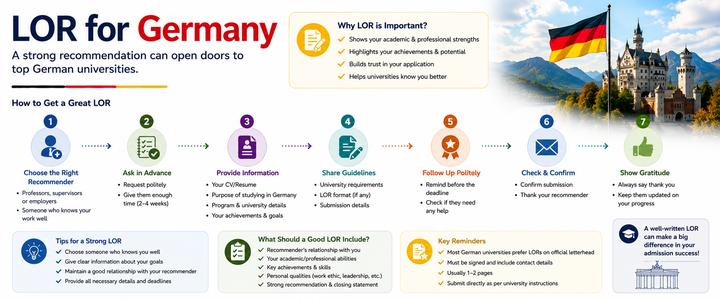
Admission is controlled at the program level. After completion of the required foreign credential evaluation via Studienkolleg Konstanz or uni-assist as applicable, applications are submitted via the university portal; deadlines and proof of language skills are program-specific. Before applying, applicants should check the language of instruction, semester of entry, subject prerequisites, selection procedure and document route. International school or university qualifications may have to be externally assessed, translated and certified and for some countries, accompanied by APS documentation and/or further evidence of academic equivalence. Master’s committees may require module descriptions, portfolios, writing samples, professional experience or interviews. Admission to doctoral studies is separate from admission to bachelor's or master's studies and usually requires an acceptable research proposal, eligible supervision and formal acceptance by the responsible faculty.
The normal semester fee is 170 euros. Baden-Württemberg tuition: €1,500 per semester (non-EU students without exemption). International masters programs: €1,500 per semester + €150 service fee. These institutional fees do not include rent, health insurance, food, learning materials, residence formalities, project costs or personal travel. If provided for by the relevant law or program regulation, special tuition may be provided for continuing-education, distance-learning, joint, second-degree, or long-term study formats. Funding (e.g. BAföG for eligible students, Deutschlandstipendium, DAAD and Erasmus+ mobility support, foundations, research employment or university-specific awards) is available, but each funding application is evaluated separately from admission.
Career preparation reflects the university's subject mix, not a guarantyd placement scheme. Companies in cross-border manufacturing, renewable energy, software, media, healthcare, logistics, consulting and Mittelstand offer placements, graduate roles and projects. Students can increase their professional preparedness through internships, applied projects, research assistantships, employer events, language development, entrepreneurship services, international mobility, and an externally partnered thesis. Offenburg UAS provides students with applied engineering, media, biotechnology, energy, business or computing education in an international Upper Rhine setting.