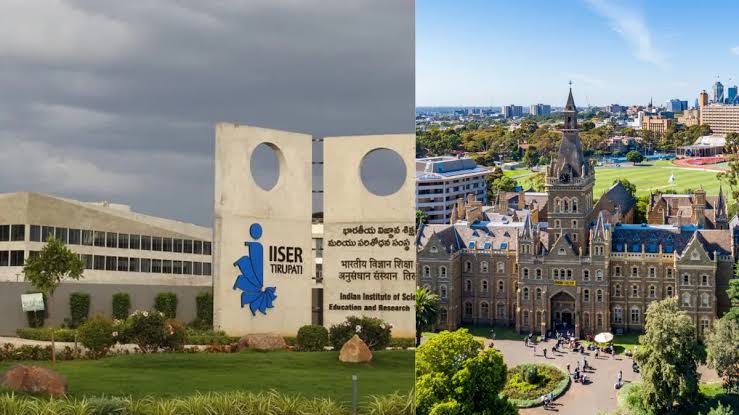
India Emerges as a Global Education Hub with 8% Annual Growth in Foreign Students
India is increasingly recognized as a major destination for international students, with an estimated 8% annual rise in foreign student enrollment. This growth reflects India's expanding educational infrastructure, diverse academic offerings, and competitive costs compared to other popular study destinations. Meanwhile, over eight lakh Indian students continue to pursue higher education abroad, making India the second-largest source country for international students worldwide as per media reports. This dual movement highlights India's evolving role in global education, both as a source and a host country.
Key Highlights
- India is witnessing an 8% yearly increase in foreign student enrollments.
- More than 800,000 Indian students are studying abroad as of 2024.
- India ranks as the world's second-largest source of international students.
- Growing number of international students choose India for higher education.
- Cost-effective education and diverse programs attract global learners.
- Official confirmation on exact figures is awaited; data is based on media reports.
What Happened?
Recent media reports indicate that India is rapidly becoming a preferred study destination for international students, with an annual growth rate of around 8%. This trend is supported by the expansion of Indian universities, increased international collaborations, and government initiatives aimed at promoting India as an education hub.
At the same time, India continues to be a major source country for students pursuing education overseas, with over 800,000 Indian students enrolled abroad in various countries. This dual role highlights the dynamic nature of India's education landscape.
The rise in foreign student numbers in India is attributed to factors such as affordable tuition fees, availability of quality programs in fields like engineering, medicine, and management, and the increasing global recognition of Indian institutions.
Why This Update Matters
Students and parents should note that India’s growing reputation as a global education hub offers new opportunities for international exposure without the higher costs associated with studying in Western countries. This can influence decisions about where to pursue undergraduate or postgraduate studies.
For Indian students planning to study abroad, the continued large outflow suggests strong global demand for Indian talent but also highlights the importance of staying informed about international admission trends and scholarship opportunities.
Official Status
Currently, there is no official government confirmation or detailed statistical release on the exact number of foreign students enrolling in India or the annual growth rate. The figures mentioned are based on media reports and educational surveys.
Students and stakeholders are advised to monitor official education ministry announcements and university portals for verified data as it becomes available.
Important Details
| Particular | Details |
|---|---|
| Topic | Growth of Foreign Students in India and Indian Students Abroad |
| Country | India |
| Category | Education News |
| Status | Official confirmation awaited |
| Applicable For | Students, parents, education planners, international applicants |
| Official Website | Official confirmation awaited |
| Next Step | Monitor official education ministry updates and university announcements |
How Students Can Track The Announcement
Students interested in studying in India or abroad should regularly check official education portals and university websites for updates on admission trends and international student statistics.
- Visit the Ministry of Education and University Grants Commission websites periodically.
- Follow announcements from major Indian universities regarding international admissions.
- Keep an eye on media reports for emerging trends in student mobility.
- Consult education counselors for guidance based on latest data.
- Stay updated on scholarship and exchange program opportunities.
Documents Or Details Students May Need
While this update is about student mobility trends, students planning to study in India or abroad should prepare the following general documents:
- Academic transcripts and certificates
- Passport and visa documents
- Language proficiency test scores (if applicable)
- Letters of recommendation and statement of purpose
What Students Should Do Next
- Research Indian universities offering programs of interest to international students.
- Compare costs and benefits of studying in India versus abroad.
- Stay informed about visa and admission requirements for foreign students in India.
- Explore scholarship options available for international and Indian students.
- Consult education experts to understand global education trends.
- Prepare application materials early to meet deadlines.
Important Links
| Link Type | Website / Status |
|---|---|
| Official Website | Official confirmation awaited |
| Result / Admit Card / Application / Notice Page | Official confirmation awaited |
FAQs
How many foreign students are currently studying in India?
As per media reports, India is seeing an 8% annual increase in foreign student enrollments, but exact numbers are yet to be officially confirmed.
Why are more international students choosing India?
Factors include affordable education costs, diverse academic programs, improved infrastructure, and growing global recognition of Indian institutions.
How many Indian students study abroad?
More than 800,000 Indian students are reported to be studying abroad as of 2024, making India the second-largest source country for international students.
Is there official data available on these trends?
Official confirmation and detailed data are awaited; current information is based on media reports and surveys.
What should students consider when choosing to study in India?
Students should evaluate program quality, university accreditation, cost, location, and support services for international students.
Where can students find reliable updates on education trends in India?
Official Ministry of Education websites, University Grants Commission portals, and reputed educational news platforms are recommended sources.