Everything You Need to Know About Studying in Germany
Germany has become a popular destination for international students seeking quality education with affordable costs. This article provides a comprehensive guide on how to apply to universities in Germany, highlights some of the top institutions, and outlines the typical expenses involved. Whether you are a prospective undergraduate or postgraduate student, understanding the application process, tuition fees, and living costs is crucial for planning your studies effectively in Germany.
Key Highlights
- Application to German universities generally requires proof of secondary education and language proficiency.
- Top universities include Technical University of Munich, Heidelberg University, and Humboldt University of Berlin.
- Public universities in Germany often charge little or no tuition fees for international students.
- Living costs vary by city but are generally moderate compared to other European countries.
- Many programs are offered in English, especially at the master's level.
- Students can apply for scholarships and part-time jobs to support their studies.
What Happened?
Germany continues to attract students worldwide due to its strong academic reputation and affordable education system. Universities offer a wide range of courses in engineering, sciences, humanities, and business. The application process typically involves submitting academic transcripts, language test results, and sometimes a motivation letter or CV.
For many programs, especially at the undergraduate level, German language proficiency is required, while numerous master's programs are available in English. Students should research specific university requirements carefully. Additionally, living expenses including accommodation, food, transportation, and health insurance should be planned for.
Why This Update Matters
Understanding the study environment and requirements in Germany helps students and parents make informed decisions about higher education abroad. Knowing the application steps and cost expectations can reduce uncertainty and improve preparation.
This update aids applicants in planning their admission timelines, financial budgets, and language preparation. It also highlights the opportunities available for scholarships and part-time work, which can ease financial burdens during studies.
Official Status
Official confirmation about specific admission dates and fee structures varies by university and academic year. As per media reports, most public universities maintain low or no tuition fees for international students, but students should verify details with the institutions directly.
Official confirmation is awaited for the latest admission cycles. Students are advised to check the official university websites or the DAAD (German Academic Exchange Service) portal for the most accurate information.
Important Details
| Particular | Details |
|---|---|
| Topic | Studying in Germany: Application, Universities, and Costs |
| Country | Germany |
| Category | University Education |
| Status | Expected / Official confirmation awaited |
| Applicable For | International students seeking higher education in Germany |
| Official Website | Official confirmation awaited |
| Next Step | Research universities and prepare application documents |
How To Check / Apply / Download
Students interested in studying in Germany should begin by exploring university websites and official portals to understand program offerings and application procedures. These steps are essential before submitting applications.
- Identify the course and university that best fits your academic goals.
- Check the admission requirements, including language proficiency and academic qualifications.
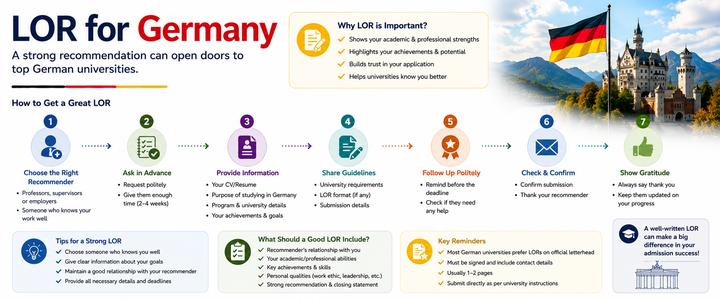
- Prepare necessary documents such as transcripts, language test scores, and motivation letters.
- Submit your application through the university’s online portal or the Uni-Assist platform if applicable.
- Monitor application status and follow up with additional requirements if requested.
Documents Or Details Students May Need
- Certified copies of secondary or higher education certificates.
- Proof of language proficiency (German or English as required).
- Curriculum vitae or resume.
- Motivation letter or statement of purpose.
What Students Should Do Next
- Start early research on preferred universities and courses.
- Prepare and verify all academic and language documents.
- Understand visa requirements and health insurance obligations.
- Plan your budget including living expenses and possible tuition fees.
- Look for scholarship opportunities and part-time work options.
- Stay updated on application deadlines and university announcements.
Important Links
| Link Type | Website / Status |
|---|---|
| Official Website | Official confirmation awaited |
| Result / Admit Card / Application / Notice Page | Official confirmation awaited |
FAQs
How do I apply to a university in Germany?
You can apply directly through the university’s online portal or via Uni-Assist, which handles applications for many German universities. Ensure you meet all academic and language requirements before applying.
Are there tuition fees for international students in Germany?
Most public universities in Germany do not charge tuition fees for undergraduate studies, but some master's programs or private universities may have fees. Students should check individual university policies.
What language proficiency is required?
German language proficiency is required for many undergraduate courses. However, many master's programs are offered in English, requiring proof of English proficiency such as TOEFL or IELTS.
What are the living costs in Germany for students?
Living costs vary by city but generally range between 800 to 1,200 Euros per month, covering accommodation, food, transport, and health insurance.
Can international students work while studying in Germany?
Yes, international students are allowed to work part-time for up to 120 full or 240 half days per year, which can help support living expenses.
Are scholarships available for international students?
Various scholarships are available through DAAD and other organizations. Students should research eligibility and application processes early.