Education Sector Updates: Admissions, New Courses, and Research Developments – July 2026
The education sector is witnessing fresh developments this July 2026, with several institutions announcing new courses, admission trends evolving, and research studies gaining attention. Students and parents can expect updated opportunities in both traditional and emerging fields. These updates, as per media reports, reflect ongoing efforts to align academic offerings with future job market demands and technological advancements. While official confirmations are awaited for some announcements, the overall outlook suggests a dynamic phase in education that could impact admissions, course selections, and academic planning.
Key Highlights
- Several universities have introduced interdisciplinary courses combining AI, environmental science, and social studies.
- Admission patterns indicate a rise in applications for STEM and healthcare-related programs.
- New research studies focus on the impact of digital learning tools on student engagement.
- Community colleges are expanding vocational training linked to emerging industries.
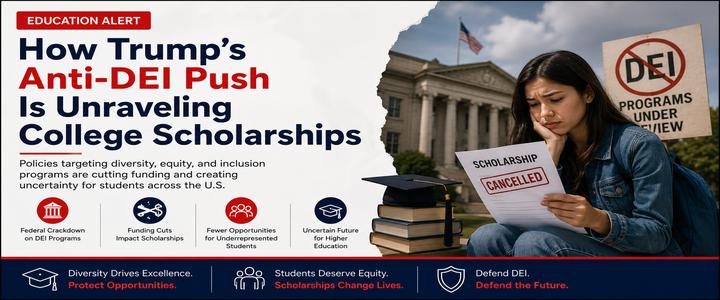
- Institutions are enhancing scholarship programs to support underrepresented groups.
- Online and hybrid learning models continue to evolve, offering more flexible options.
What Happened?
In July 2026, multiple educational institutions across the United States have announced the launch of new academic programs designed to meet the demands of a changing workforce. These include courses that integrate artificial intelligence with environmental sustainability and social sciences, aiming to prepare students for complex global challenges.
Admission data from several universities suggest an increasing interest in STEM fields, healthcare, and technology-driven disciplines. This trend aligns with broader economic shifts and the growing importance of digital skills. Additionally, research studies released recently highlight the positive effects of interactive digital tools on student motivation and learning outcomes.
Community colleges are also responding by expanding vocational and technical training programs, which are expected to support local economies and provide practical skills for immediate employment.
Why This Update Matters
Students and parents should pay attention to these developments as they signal new opportunities for education and career pathways. The introduction of interdisciplinary courses allows for broader skill development, which is increasingly valued by employers.
Understanding admission trends can help applicants make informed decisions about program choices and preparation strategies. Moreover, the emphasis on research into digital learning tools suggests that students may benefit from more engaging and effective educational experiences in the near future.
Official Status
As per media reports, many of these updates are based on institutional announcements and academic planning documents. Official confirmation from universities and education boards is awaited for detailed admission schedules and course curricula.
Students are advised to monitor official university websites and education portals for verified information as it becomes available.
Important Details
| Particular | Details |
|---|---|
| Topic | Admissions, New Courses, and Research Updates in Education |
| Country | United States |
| Category | Education news |
| Status | Expected and official confirmation awaited |
| Applicable For | Students, parents, applicants, educators |
| Official Website | Official confirmation awaited |
| Next Step | Monitor official university and education websites for updates |
How To Follow This Update
Students and parents can stay informed about these education updates by regularly checking official university announcements and education news portals.
- Identify universities or colleges offering courses of interest.
- Visit official websites for the latest admission and course information.
- Subscribe to newsletters or alerts from education institutions.
- Attend virtual or in-person education fairs and webinars.
- Consult academic advisors or career counselors for guidance.
Documents Or Details Students May Need
- Academic transcripts and certificates
- Standardized test scores (if applicable)
- Personal identification documents
- Letters of recommendation or statement of purpose (for some programs)
What Students Should Do Next
- Research new courses and programs aligning with career goals.
- Prepare application materials early to meet upcoming deadlines.
- Stay updated on admission trends to choose competitive fields.
- Explore scholarship and financial aid options offered by institutions.
- Engage with digital learning resources to enhance skills.
- Seek guidance from educators and career counselors for informed decisions.
Important Links
| Link Type | Website / Status |
|---|---|
| Official Website | Official confirmation awaited |
FAQs
Are these new courses available at all universities?
Not all universities may offer the new interdisciplinary courses. Availability varies by institution and program focus.
How can students apply for these new courses?
Students should check the official admissions pages of their chosen universities for application procedures and deadlines.
Will these updates affect admission criteria?
Admission criteria may evolve to reflect new course requirements; students should stay updated through official sources.
Are there scholarships linked to these new programs?
Some institutions are expanding scholarships for emerging fields, but details will be available upon official announcements.
How reliable are the media reports on these updates?
Media reports provide early insights, but official confirmation from institutions is necessary for final details.
Can students switch to online or hybrid learning options?
Many institutions are enhancing online and hybrid models, offering more flexibility for students.