High-Earner Families Shift from Traditional Schools to Life Skills and AI-Focused Education
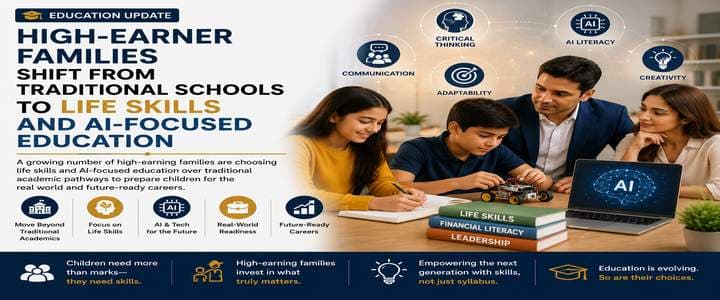
A growing number of affluent families in the United States are opting out of conventional grade-school education in favor of alternative learning approaches that prioritize life skills and artificial intelligence (AI). This trend reflects a shift in parental priorities toward preparing children for a rapidly evolving future where traditional academic curricula may not fully address the demands of emerging technologies and real-world problem-solving. As per media reports, these families are investing in personalized, tech-driven programs and experiential learning environments that emphasize critical thinking, creativity, and AI literacy.
Key Highlights
- High-income families increasingly choose education models focused on life skills and AI over traditional schooling.
- Alternative education programs include personalized learning, coding, AI fundamentals, and critical thinking.
- Parents seek to equip children with skills relevant to future job markets and technological advancements.
- Conventional schools face pressure to adapt curricula to include AI and practical life skills.
- Media reports indicate rising demand for hybrid and experiential learning environments.
- Official confirmation from education authorities is awaited regarding policy responses.
What Happened?
Recent media coverage highlights a noticeable shift among wealthy families in the United States who are moving away from traditional grade-school education systems. These families are exploring alternative education pathways that emphasize life skills such as financial literacy, emotional intelligence, and communication, alongside emerging technologies like artificial intelligence and coding. This change is driven by concerns that conventional schools may not adequately prepare children for a future dominated by AI and automation.
For students, this means access to more tailored and innovative learning experiences that blend technology with practical skills. These programs often include project-based learning, mentorship, and exposure to AI tools and concepts from an early age. The trend suggests a growing recognition of the importance of adaptability and creativity in education.
Why This Update Matters
This development is significant for students, parents, educators, and policymakers because it signals a potential transformation in how education is delivered and valued. Students who engage with life skills and AI-focused education may gain advantages in problem-solving, digital literacy, and future career readiness. Parents are increasingly seeking education that goes beyond traditional academics to include skills that foster independence and innovation.
For schools and education authorities, this trend may prompt curriculum reforms and the integration of AI and life skills into mainstream education. It also impacts decisions related to school choice, educational investments, and the design of learning environments. Students and parents should stay informed about these evolving options to make decisions aligned with future opportunities.
Official Status
As per media reports, no official confirmation or policy announcement has been made by education departments or school boards regarding this trend. The shift is primarily observed through private education providers and emerging alternative programs favored by high-income families.
Students and parents interested in these educational models should monitor official education websites and trusted news sources for updates on any formal recognition or guidelines related to alternative education focusing on life skills and AI.
Important Details
| Particular | Details |
|---|---|
| Topic | Shift to life skills and AI-focused alternative education |
| Country | United States |
| Category | Education News |
| Status | Likely emerging trend, official confirmation awaited |
| Applicable For | Students, parents, educators, and education planners |
| Official Website | Official confirmation awaited |
| Next Step | Monitor education news and explore alternative education options carefully |
How Students Can Follow This Update
Students and parents interested in alternative education focusing on life skills and AI should stay informed about new programs and policy developments. This section outlines practical steps to keep track of relevant updates.
- Research alternative education providers offering life skills and AI curricula.
- Follow reputable education news platforms and official school district announcements.
- Attend webinars or informational sessions on emerging education trends.
- Engage with community groups or forums discussing innovative education models.
- Consult with education counselors or experts to evaluate suitable options.
Documents Or Details Students May Need
- Previous academic records or transcripts (if applicable)
- Proof of residence or family income (for some private programs)
- Application forms or enrollment documents specific to alternative programs
- Portfolio or evidence of interest in technology or life skills activities (if requested)
What Students Should Do Next
- Explore and compare alternative education programs emphasizing life skills and AI.
- Discuss educational goals with parents and counselors to align expectations.
- Stay updated on any official announcements regarding curriculum changes in traditional schools.
- Consider supplementing current education with online courses or workshops on AI and life skills.
- Engage in activities that develop critical thinking, creativity, and digital literacy.
- Maintain a balanced approach by valuing both traditional academics and emerging skills.
Important Links
| Link Type | Website / Status |
|---|
FAQs
Why are high-earner families choosing alternative education?
Many affluent families believe alternative education focusing on life skills and AI better prepares children for future careers and challenges than traditional schooling.
What kinds of skills are emphasized in these alternative programs?
Programs often focus on critical thinking, problem-solving, emotional intelligence, financial literacy, coding, and AI fundamentals.
Are these alternative education options widely available?
Currently, they are more common among private providers and specialized programs, with limited presence in public schools.
Is there official support for integrating AI and life skills in schools?
As per media reports, official education authorities have not yet issued formal policies, but discussions and pilot programs are underway in some regions.
How can parents evaluate the quality of alternative education programs?
Parents should research program credentials, curriculum details, instructor qualifications, and seek reviews or testimonials before enrolling their children.
Will this trend affect traditional schools?
Yes, it may encourage traditional schools to update curricula and incorporate more practical skills and technology education to remain relevant.