International Graduates in Germany Are Three Times More Likely to Secure Employment
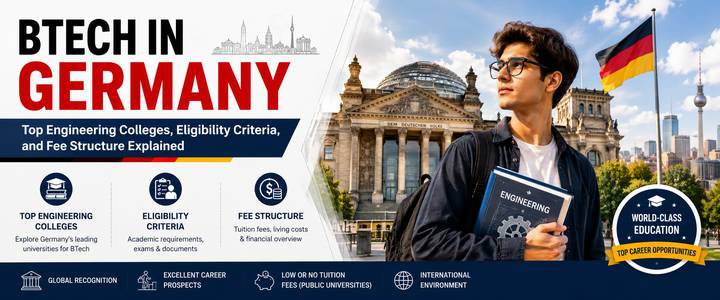
A recent analysis suggests that international students graduating from German universities have a significantly higher likelihood of finding employment compared to their domestic counterparts. This trend is particularly strong in STEM (Science, Technology, Engineering, and Mathematics) fields, where Germany faces increasing shortages of skilled workers. As a result, universities in Germany are playing a growing role not only in education but also as vital hubs supporting skilled migration and workforce integration for international graduates.
Key Highlights
- International graduates in Germany are about three times more likely to find work than local graduates.
- STEM disciplines show the highest demand for skilled workers across German industries.
- German universities increasingly serve as gateways for skilled migration.
- Employers value international graduates for their specialized skills and global perspectives.
- Policy adjustments have facilitated easier work permits and residence options for international students.
- Growing collaboration between universities and industries helps smooth graduate transitions into the workforce.
What Happened?
Recent reports and media analyses have highlighted that international students completing their studies in Germany have a substantially higher probability of securing employment compared to German nationals. This is especially true in STEM-related fields, where the demand for qualified professionals has outpaced supply. Universities in Germany have adapted by strengthening ties with industry and supporting international students through career services and integration programs.
>For students, this means that pursuing higher education in Germany can offer strong prospects for post-study employment, especially if they are enrolled in technical or scientific disciplines. The country's policies have also evolved to encourage international graduates to stay and contribute to the economy, recognizing their role in addressing workforce shortages.
Additionally, the trend reflects Germany’s broader strategy to position its higher education institutions as key players in skilled migration, helping to attract global talent and meet the needs of its evolving labor market.
Why This Update Matters
This update is important for prospective international students considering Germany as a study destination. The enhanced employment opportunities post-graduation can influence decisions about where to study and what fields to pursue. Parents and education counselors can also use this information to guide students toward programs with better job prospects.
For applicants, understanding the labor market trends and university-industry connections in Germany can help in planning academic and career paths. It also highlights the advantage of STEM education in Germany for international students aiming to build a career there.
Official Status
As per media reports, the data and conclusions come from recent studies and analyses by education and labor market experts. Official confirmation or detailed government reports are awaited. Students and applicants should monitor announcements from German universities and official immigration or labor departments for the latest verified information.
Official URLs for updates are not currently available; interested readers should check university websites and government portals regularly.
Important Details
| Particular | Details |
|---|---|
| Topic | Employment prospects for international graduates in Germany |
| Country | Germany |
| Category | Education News |
| Status | Expected / Official confirmation awaited |
| Applicable For | International students, prospective applicants, parents, education counselors |
| Official Website | Official confirmation awaited |
| Next Step | Monitor university and government announcements; prepare for STEM programs |
How Students Can Follow This Update
Students interested in studying and working in Germany should stay informed about employment trends and immigration policies. Following university career services and official government portals can provide timely updates.
- Research German universities offering STEM programs with strong industry links.
- Follow official German government websites for visa and work permit updates.
- Engage with university career centers for job placement support and internships.
- Network with alumni and industry professionals to understand job market dynamics.
- Prepare academic and language qualifications to meet program and work requirements.
Documents Or Details Students May Need
- Valid student visa and residence permit documentation.
- Proof of enrollment and academic transcripts from German universities.
- Language proficiency certificates (e.g., German or English, depending on program).
- Internship or work experience records, if applicable.
What Students Should Do Next
- Explore STEM courses at German universities known for strong graduate employment.
- Stay updated on German immigration policies related to international graduates.
- Prepare for language requirements and entrance criteria early.
- Utilize university career services for job search and networking opportunities.
- Consider internships or practical training to increase employability.
- Plan financially and logistically for post-study work options in Germany.
Important Links
| Link Type | Website / Status |
|---|---|
| Official Website | Official confirmation awaited |
| Result / Admit Card / Application / Notice Page | Official confirmation awaited |
FAQs
Why are international graduates more likely to find jobs in Germany?
International graduates often possess skills in high-demand fields like STEM, and Germany’s policies encourage retaining such talent to address labor shortages.
Does this trend apply to all fields of study?
The strongest employment prospects are seen in STEM disciplines, though other sectors may also benefit depending on market needs.
Are there special work permits for international graduates in Germany?
Yes, Germany offers residence permits that allow international graduates to stay and seek employment after completing their studies.
How can students improve their chances of employment in Germany?
Students should focus on relevant skills, internships, language proficiency, and networking through university career services.
Is official data available to support these findings?
Current information is based on media reports and analyses; official government data is expected but not yet released.
Where can students find official updates?
Students should regularly check official university websites and German government portals for verified announcements.