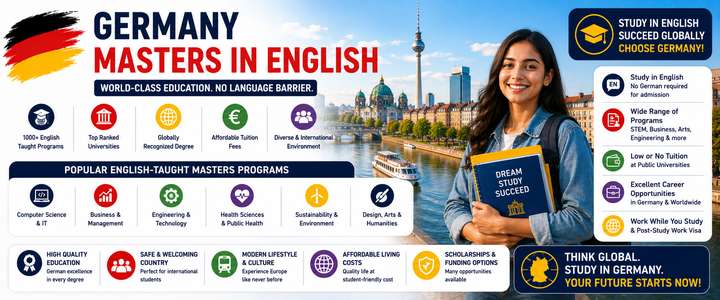
How Germany is Attracting International Students Amid Demographic Changes
Germany is increasingly positioning itself as a top choice for international students, moving beyond its reputation as a low-cost study destination. With a declining youth population and an aging society, Germany is actively seeking to attract foreign students to sustain its universities and workforce. This strategic shift offers students worldwide access to quality education, diverse programs, and opportunities in a thriving economy. As per media reports, this trend is expected to shape the future of higher education and immigration policies in Germany.
Key Highlights
- Germany is adapting to demographic challenges by attracting more international students.
- International students contribute significantly to the German economy and labor market.
- Universities are expanding programs taught in English to appeal to global applicants.
- Tuition-free or low-cost education remains a strong incentive for students worldwide.
- Government policies are evolving to facilitate student visas and post-study work opportunities.
- International student numbers in Germany have been steadily increasing over recent years.
What Happened?
Germany faces a demographic shift with fewer young people entering higher education, leading to concerns about future workforce shortages. To address this, the country is actively encouraging international students to enroll in its universities. This approach not only supports the sustainability of academic institutions but also helps meet labor market demands by retaining skilled graduates.
For students, this means more opportunities to study in Germany with programs increasingly offered in English, reducing language barriers. Additionally, Germany’s reputation for high-quality education combined with affordable or no tuition fees makes it an attractive destination for global learners.
As per media reports, the German government is also streamlining visa processes and extending post-study work permits to retain international graduates, further enhancing Germany’s appeal as a study destination.
Why This Update Matters
Students and parents considering study abroad options should note Germany’s growing focus on international education. This shift means more support services, better integration programs, and increased chances of employment after graduation for foreign students.
Applicants planning their higher education journey can benefit from Germany’s expanding course offerings and favorable policies. Understanding these changes can help students make informed decisions about applications, scholarships, and career planning in Germany.
Official Status
Official confirmation on specific new policies or programs is awaited. Students should monitor announcements from German higher education authorities and immigration offices for the latest updates.
Currently, no official URLs have been provided for these updates. Students are advised to visit the official German Academic Exchange Service (DAAD) website or the Federal Ministry of Education and Research for verified information.
Important Details
| Particular | Details |
|---|---|
| Topic | Germany’s strategy to attract international students amid demographic changes |
| Country | Germany |
| Category | Education News |
| Status | Expected and ongoing |
| Applicable For | International students, parents, education consultants |
| Official Website | Official confirmation awaited; check DAAD and German education ministry websites |
| Next Step | Monitor official announcements and prepare application documents accordingly |
How Students Can Follow This Update
Students interested in studying in Germany should regularly check official education portals and news sources to stay informed about admission policies and visa regulations.
- Visit the DAAD website for program and scholarship information.
- Follow updates from German universities’ international offices.
- Monitor visa rules from the German Federal Foreign Office.
- Join student forums or social media groups focused on studying in Germany.
- Consult education counselors for personalized guidance on applications.
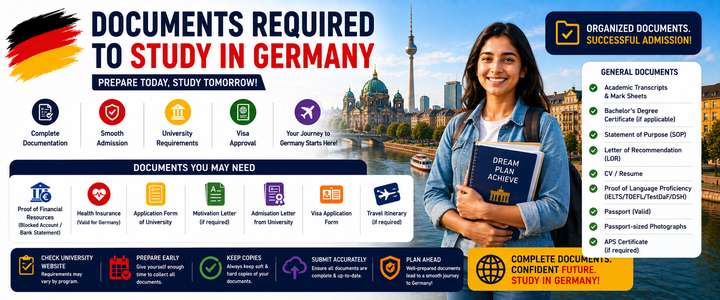
Documents Or Details Students May Need
- Academic transcripts and certificates
- Proof of language proficiency (English or German)
- Valid passport and visa documents
- Financial proof or scholarship confirmation
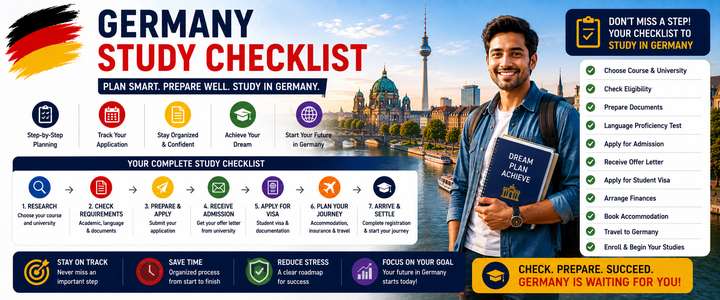
What Students Should Do Next
- Research programs and universities offering courses in English.
- Prepare and verify all academic and language documents early.
- Stay updated on visa and immigration rules for international students.
- Explore scholarship and funding opportunities available for foreign students.
- Plan for accommodation and living expenses in Germany.
- Engage with current international students to understand real experiences.
Important Links
| Link Type | Website / Status |
|---|---|
| Official Website | https://www.daad.de/en/ |
| Result / Admit Card / Application / Notice Page | Official confirmation awaited |
FAQs
Why is Germany focusing on international students now?
Germany is experiencing a demographic decline in its youth population, so attracting international students helps maintain university enrollment and supports the labor market.
Are there tuition fees for international students in Germany?
Many public universities in Germany offer tuition-free education or charge low fees, but this can vary by state and program.
Is knowledge of German mandatory to study in Germany?
While many programs are offered in German, there is a growing number of English-taught courses, especially at the master's level.
Can international students work in Germany during or after their studies?
Yes, students can work part-time during their studies, and post-study work permits are available to help graduates find employment.
Where can students find official information about studying in Germany?
The DAAD website and official German government portals provide reliable and updated information for prospective students.
What should students do to prepare for applying to German universities?
Students should gather academic records, language certificates, research programs of interest, and stay updated on application deadlines and visa requirements.