India’s Education Debate Needs Clarity Amid Major Reforms in Exams and Curriculum
India’s education sector is currently experiencing a wave of significant reforms affecting examinations, curriculum design, language policy, and teaching methodologies. These changes aim to modernize learning and assessment to better equip students for the future. However, the ongoing public discourse is often clouded by conflicting opinions and misinformation, making it essential to focus on clear communication and factual understanding. Students, parents, and educators need transparent updates to navigate these reforms effectively and make informed decisions regarding education planning.
Key Highlights
- Examination patterns are being revised to reduce rote learning and encourage conceptual understanding.
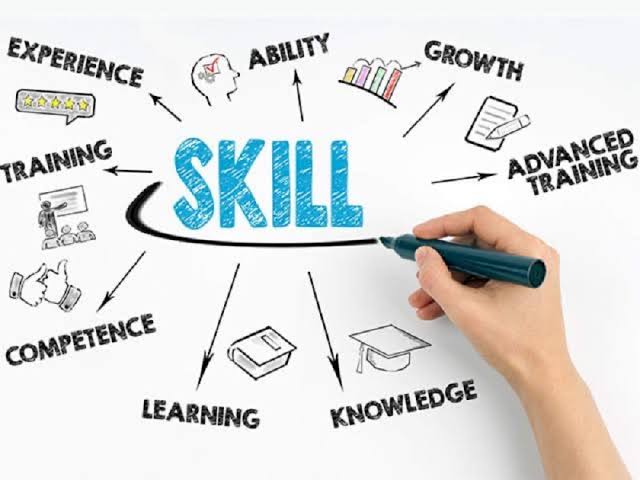
- Curriculum updates focus on integrating skill-based and competency-based education.
- Language policy reforms emphasize multilingual education with regional languages gaining importance.
- New teaching methods promote experiential and activity-based learning.
- Stakeholders demand clearer communication to avoid confusion and misinformation.
- Official confirmation on some reforms is awaited as per media reports.
What Happened?
India’s education system is undergoing a series of reforms aimed at improving learning outcomes and aligning education with global standards. These reforms include changes in examination formats to reduce emphasis on memorization and promote critical thinking. The curriculum is being redesigned to include more practical skills and interdisciplinary knowledge.
Language policy discussions have gained momentum, with a focus on promoting multilingual proficiency, especially in regional languages, alongside English and Hindi. This is intended to make education more inclusive and culturally relevant. Additionally, teaching methods are shifting towards more interactive and student-centered approaches.
Despite these positive intentions, the debate around these changes has been marked by conflicting narratives, causing uncertainty among students and parents. Clear, consistent information from education authorities is essential to help all stakeholders understand and adapt to the evolving system.
Why This Update Matters
Students and parents must understand these reforms as they directly impact exam preparation, subject choices, and overall learning experience. Awareness of curriculum changes helps students focus on relevant skills and knowledge areas that will be prioritized in assessments.
For educators and institutions, adapting to new teaching methods and language policies is critical to delivering quality education. Clear guidelines and communication will help reduce confusion and ensure smooth implementation, benefiting the entire education ecosystem.
Official Status
As per media reports, several reforms are in various stages of planning and implementation. Official confirmation and detailed guidelines from the Ministry of Education or respective boards are awaited. Students and parents should regularly check official education department websites for verified updates.
No official URLs have been released yet for detailed circulars or notifications. It is recommended to rely on trusted sources and avoid unverified information spread through social media or unofficial channels.
Important Details
| Particular | Details |
|---|---|
| Topic | Education reforms in exams, curriculum, language, and teaching methods |
| Country | India |
| Category | Education Policy |
| Status | Official confirmation awaited as per media reports |
| Applicable For | Students, parents, educators, and education institutions |
| Official Website | Official confirmation awaited |
| Next Step | Monitor official education department updates regularly |
How Students Can Track The Announcement
Students and parents should follow education department announcements to stay informed about reforms and their implementation timeline.
- Visit the official Ministry of Education website periodically for updates.
- Follow announcements from respective state education boards and central boards like CBSE and NIOS.
- Keep in touch with school authorities for localized information on curriculum and exam changes.
- Refer to official circulars and notifications before making academic decisions.
- Avoid relying on unverified social media posts or rumors.
Documents Or Details Students May Need
- Previous academic records and report cards for reference.
- Official circulars or notifications from education boards when available.
- School communication regarding curriculum and exam schedules.
- Personal identification documents for official processes.
What Students Should Do Next
- Stay calm and avoid panic amid ongoing debates and rumors.
- Focus on current syllabus and exam preparation until official changes are confirmed.
- Engage with teachers and school counselors to understand any local changes.
- Keep track of official announcements from credible sources.
- Discuss any concerns with parents and educators for better clarity.
- Prepare to adapt to new learning methods and assessment styles as they roll out.
Important Links
| Link Type | Website / Status |
|---|
FAQs
What are the main areas of reform in India’s education system?
The reforms focus on examination patterns, curriculum updates, language policy, and teaching methodologies to improve learning outcomes and inclusivity.
How will these changes affect students’ exam preparation?
Students may need to focus more on understanding concepts and skills rather than rote memorization, as exams are expected to test application and analytical abilities.
Is there official confirmation on these reforms?
As per media reports, official confirmation is awaited. Students should monitor announcements from the Ministry of Education and respective boards.
What should parents do during this period of change?
Parents should stay informed through official channels, support their children’s learning, and avoid reacting to unverified information.
Will language policy changes impact medium of instruction?
Yes, there is an emphasis on promoting multilingual education, including regional languages, alongside English and Hindi, to enhance inclusivity.
How can schools adapt to these reforms?
Schools should prepare to implement new curricula and teaching methods, train teachers accordingly, and communicate clearly with students and parents.

q.jpg)