Jamia Millia Islamia Forms 7-Member Panel Amid Student Hunger Strike Over Union Restoration
Jamia Millia Islamia (JMI) in New Delhi has constituted a seven-member high-level committee to engage with protesting students and examine their demands for restoring the university's students' union. The decision was announced on October 18, 2026, amid an ongoing hunger strike and heightened tensions between students and the university administration.
The committee was formed following a meeting of senior university officials chaired by Vice-Chancellor Professor Mazhar Asif. According to the university's announcement, the panel will hold discussions with the protesting students, consider their grievances and explore steps to restore normalcy on campus.
Why Are Jamia Students Protesting?
The students are demanding the restoration of the Jamia Millia Islamia Students' Union (JMISU) and the resumption of union elections. The university has not held students' union elections since 2006, leaving successive batches of students without an elected university-wide representative body.
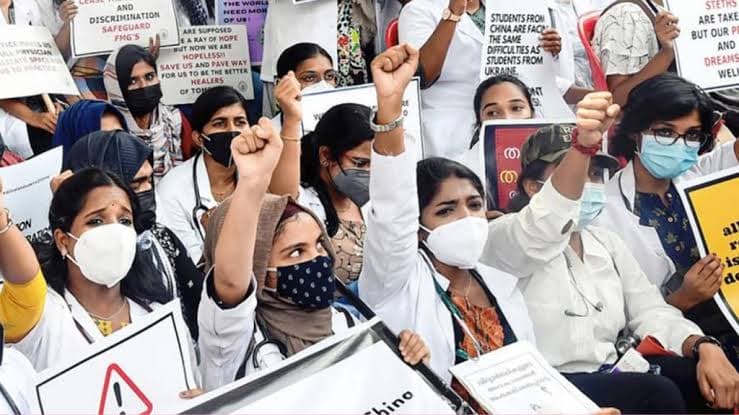
Five students began an indefinite hunger strike on October 12, 2026. They have argued that an elected union would provide students with a collective platform to raise concerns about academic issues, campus facilities and student welfare directly with the administration.
The protest intensified over the weekend after students alleged that security personnel forcibly removed demonstrators from the campus. The university subsequently took disciplinary action against some participants. The administration has defended its campus rules and has said that student representation is also supported through departmental subject associations.
Who Is on the Seven-Member Committee?
The university's high-level committee comprises senior faculty members and university officials, including five deans. The members named in the official announcement are:
| Committee Member | Position |
|---|---|
| Professor Iqtidar Mohd Khan | Dean, Faculty of Humanities and Languages |
| Professor Luqman Ahmad Khan | Dean, Faculty of Life Sciences |
| Professor Zubair Meenai | Dean, Faculty of Social Sciences |
| Professor Neelofar Afzal | Dean of Students' Welfare |
| Professor Tanuja | Dean of Academic Affairs |
| Professor Mini S Thomas | Department of Electrical Engineering |
| Professor Simi Malhotra | Department of English |
The panel's stated responsibility is to interact with the protesters, examine their demands and help resolve the campus standoff. The university has not announced a final decision on restoring the students' union or confirmed a timetable for implementing any changes.
What Are the Students Demanding?
The protesters' demands extend beyond the restoration of the union. Students have also called for disciplinary action against participants to be withdrawn and for assurances that further punitive measures will not be taken against those involved in the movement. Some protesters have also demanded accountability over the alleged removal of students from campus.
The students say an elected union could give them a formal way to represent concerns affecting learners across different departments. These can include hostels, drinking water, washrooms, classrooms, library facilities and broader academic issues.
The university, however, has maintained that its existing subject associations provide channels for student representation. It has also cited concerns about campus discipline and disruption in explaining why the union was discontinued in 2006.
Will the Committee Restore the Students' Union?
The committee's formation signals that the administration intends to engage with the protesters, but it does not by itself mean that union elections have been approved. The official announcement states that the panel will examine the students' demands and work towards restoring normalcy on campus.
As of October 19, 2026, no final decision on reinstating JMISU elections has been announced. The outcome will depend on the discussions between the committee, the protesting students and the university administration, along with any formal decision issued by the institution.
Why This Development Matters for Higher Education
The dispute at Jamia has brought student representation and campus governance back into focus. An elected students' union can serve as a channel for collective representation, while universities must also establish procedures that protect campus safety and allow academic activities to continue.
The current standoff highlights the need for transparent communication between students and university authorities. The newly formed committee may provide a formal forum for dialogue, but students and observers will be watching for concrete decisions on union restoration and disciplinary measures.
Where to Check Official Updates
Students should follow announcements from Jamia Millia Islamia's official website for any further notices regarding the committee, student grievances, disciplinary orders and the status of union elections.
The immediate development is the formation of a seven-member committee to address the ongoing protest. Whether the move leads to the restoration of student union elections remains unresolved, making the university's next official announcements important for students and the wider higher education community.