Trump Administration Moves Special Education And Civil Rights Duties Out Of Education Department
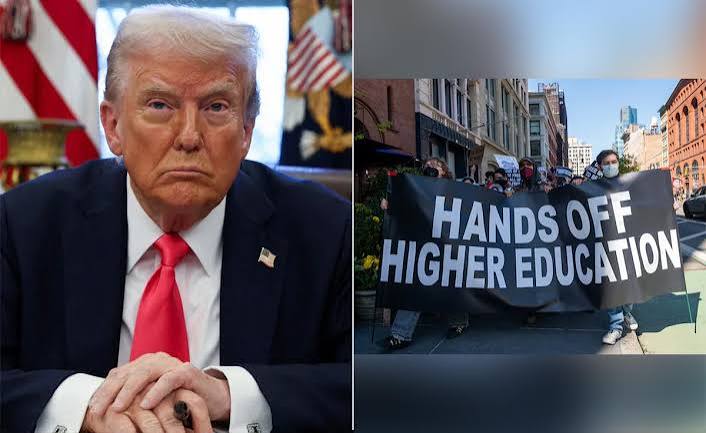
The Trump administration is shifting major responsibilities out of the U.S. Education Department, moving special education coordination toward the Department of Health and Human Services and civil rights enforcement work toward the Department of Justice. The move is being presented as an effort to reduce federal bureaucracy, but education advocates say it could affect how families seek help in cases involving discrimination and disability rights.
What Has Changed?
The U.S. Education Department is handing off two of its most important responsibilities to other federal agencies. Under the latest changes, civil rights enforcement in schools will move toward the Department of Justice, while special education oversight will be handled through the Department of Health and Human Services.
Student privacy-related work will also involve the Justice Department. The administration says the arrangement is a partnership across federal agencies and is intended to make programs more efficient.
Why This Matters For Students And Families
Families often turn to the Education Department when they believe a school has failed to address discrimination, disability access issues or other civil rights concerns. The department’s Office for Civil Rights has historically investigated complaints involving schools, colleges and universities that receive federal funding.
These complaints can include alleged discrimination based on race, sex, religion, disability or other protected categories. Cases may involve unequal treatment in sports, mishandling of sexual assault allegations, disability access problems or claims that certain students are disciplined more harshly than others.
Which Agency Will Handle What?
The latest restructuring shifts several key education-related responsibilities away from the Education Department. The administration says the agencies receiving these duties are better positioned to manage the work, while critics argue that education-specific expertise could be weakened.
| Function | Previous Role | New Agency / Arrangement |
|---|---|---|
| Civil Rights Enforcement In Education | Handled by the Education Department’s Office for Civil Rights | Department of Justice partnership / role |
| Special Education Oversight | Handled through Education Department offices connected with disability education programs | Department of Health and Human Services |
| Student Privacy Work | Education Department responsibility | Department of Justice involvement |
| Education Department’s Remaining Role | Central federal education agency | Reduced operational role while legal responsibilities remain |
How Civil Rights Complaints Worked Earlier
The Education Department’s Office for Civil Rights has served as a federal complaint route for students, parents and advocacy groups. If a school or university receiving federal funds was accused of violating civil rights laws, the office could investigate the complaint and require corrective action.
Schools that refused to comply with federal requirements could face consequences, including risk to federal funding. This made the office an important mechanism for families seeking action beyond the local school level.
- Race discrimination complaints
- Sex discrimination complaints
- Disability-related complaints
- Religious discrimination allegations
- Unequal treatment in school activities
- Sexual misconduct handling concerns
- Discipline disparity complaints
- Access and accommodation issues
What Happens To Special Education Oversight?
Special education has been one of the Education Department’s most important responsibilities. The department has helped oversee compliance with the Individuals with Disabilities Education Act, which guarantees access to education for students with disabilities.
The special education office has also supported vocational services and career counseling programs for young people with disabilities. Advocates are concerned that shifting this work to a health-focused agency could change how disability education services are understood and delivered.
Administration’s Argument
The administration says the interagency changes are meant to reduce bureaucracy and improve coordination between federal departments. Officials have described the changes as part of a wider effort to return education authority to states and reduce the size of the federal education bureaucracy.
President Donald Trump has repeatedly pledged to shut down the Education Department. However, closing the department completely would require action by Congress.
Concerns From Education And Disability Advocates
Critics say the shift could create uncertainty for families, schools and students. They argue that the Education Department has specialized knowledge in school-based civil rights and disability education issues, while other agencies may not have the same education-specific structure.
Disability rights groups and some lawmakers have warned that special education should remain connected to education policy, not be treated only through a health or medical lens.
Unclear Complaint Route
Families may be unsure where to file complaints or follow up on unresolved cases.
Education Expertise
Advocates say disability education requires school-specific expertise and legal knowledge.
Service Delays
Restructuring could affect pending cases, program guidance and response timelines.
Other Education Department Functions Already Shifted
The latest move follows several earlier interagency agreements that reassigned Education Department programs to other federal agencies. These include school funding programs, student loan work, foreign language programs and Native American education-related responsibilities.
| Program / Function | Agency Receiving Role |
|---|---|
| Title I and some school grant programs | Department of Labor |
| Teacher training and English instruction programs | Department of Labor |
| TRIO college-access program | Department of Labor |
| Federal student loan portfolio | Treasury Department, in phases |
| Safety, community engagement and related grant programs | Department of Health and Human Services |
| Foreign language programs and foreign gift tracking | State Department |
| Native American education | Interior Department |
What Students Should Watch Next
Students, parents and schools should watch for official guidance on where complaints, special education questions and student privacy issues should be directed. Families with pending cases may need clear information on whether their complaint remains with the Education Department or moves under a new agency process.
- Track official updates from the U.S. Education Department.
- Check whether civil rights complaint procedures change.
- Watch for new special education guidance from HHS.
- Follow DOJ updates on school civil rights enforcement.
- Ask schools how pending complaints or accommodations will be handled.
- Keep copies of all education records and complaint documents.
- Consult state education agencies for local procedures.
- Wait for further legal or congressional developments.
FAQs On U.S. Education Department Restructuring
What has the Trump administration changed?
The administration is shifting special education oversight toward HHS and civil rights enforcement in education toward DOJ through interagency arrangements.
Is the U.S. Education Department closed now?
No. The department has not been fully dissolved. Closing it entirely would require action by Congress.
Which agency will handle civil rights enforcement in schools?
The Department of Justice will take a larger role in civil rights enforcement related to education.
Which agency will oversee special education?
Special education coordination and oversight will move toward the Department of Health and Human Services under the latest restructuring.
Why are advocates concerned?
Advocates worry that families may face confusion, delays or weaker education-specific support when civil rights and special education duties move away from the Education Department.
What should families with pending complaints do?
Families should keep records, monitor official guidance and check whether their complaint process has changed under the new agency arrangement.
Why does this matter for students with disabilities?
The Education Department has helped oversee IDEA compliance, which protects access to education for students with disabilities. Any shift in oversight may affect how support and enforcement are managed.