
How to Prepare for Government Jobs in India: Beginner to Advanced Guide
Government jobs in India attract lakhs of students because of job security, fixed salary structure, career growth, social respect, and benefits. This beginner-to-advanced guide explains how to choose the right government exam, build a study plan, prepare subjects, practice mock tests, and improve your chances of selection.
Table of Contents
Preparing for government jobs requires a clear target, official syllabus, regular study routine, subject-wise practice, previous year papers, mock tests, and consistent revision. Students should not start randomly with too many books or coaching videos. The first step is to identify the right exam according to qualification, age, interest, and job profile.
Popular Government Job Exams in India
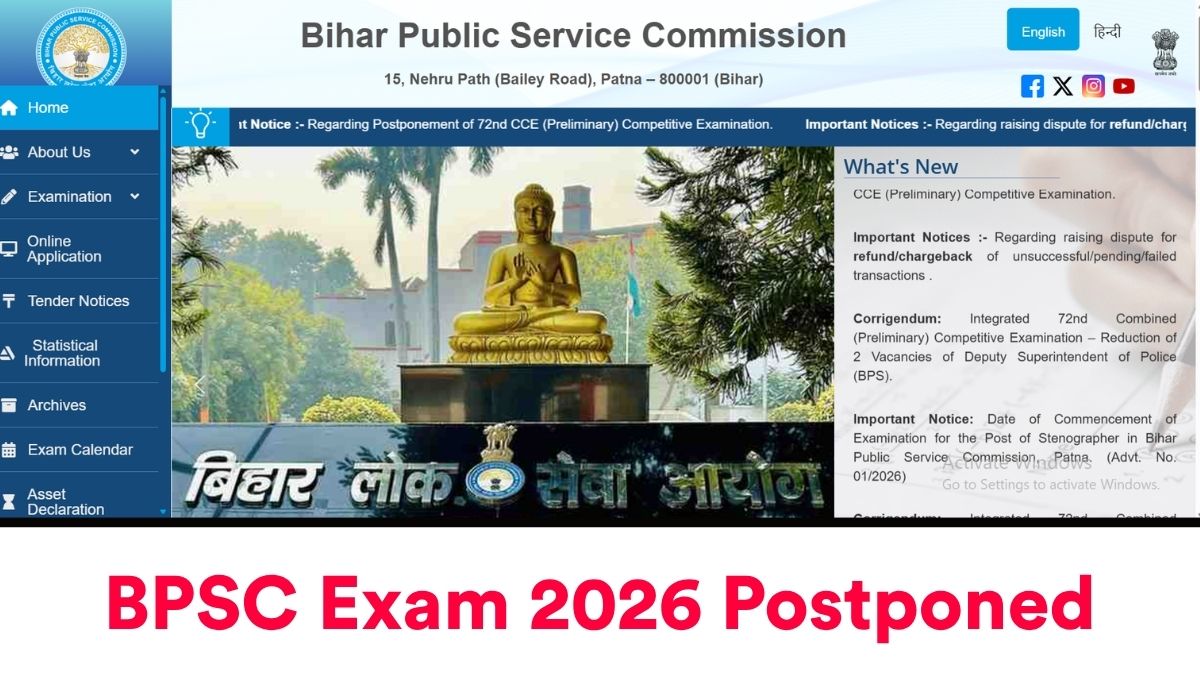
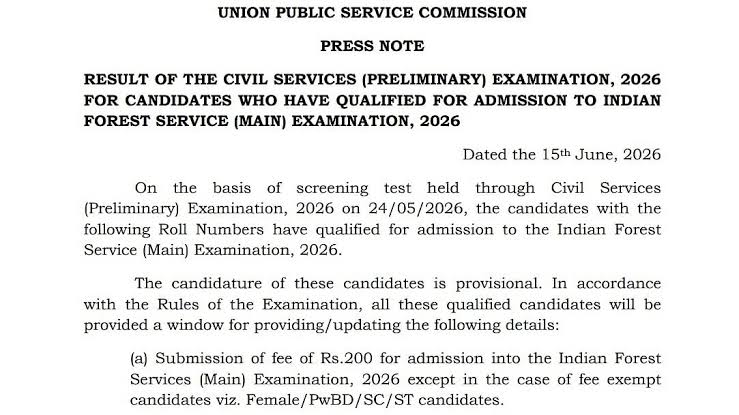
India has many government recruitment exams conducted by central bodies, state commissions, public sector organizations, defence services, banks, railways, and other departments. Always apply through official websites and official notifications.
| Exam Category | Examples | Common Eligibility | Main Focus Areas |
|---|---|---|---|
| UPSC Exams | Civil Services, CDS, NDA, CAPF, IES/ISS, Engineering Services | Varies by exam; many require graduation, NDA after 12th | GS, current affairs, aptitude, optional/technical subjects, personality test |
| SSC Exams | SSC CGL, CHSL, MTS, GD, Stenographer, CPO | 10th, 12th, or graduation depending on exam | Quant, reasoning, English, general awareness, typing/skill tests where required |
| Banking Exams | IBPS PO, IBPS Clerk, SBI PO, SBI Clerk, RRB banking exams | Usually graduation for PO/Clerk-level bank exams | Quant, reasoning, English, general/banking awareness, computer knowledge |
| Railway Exams | RRB NTPC, Group D, ALP, JE, Technician | 10th/12th/ITI/diploma/graduation depending on post | Maths, reasoning, general awareness, science, technical subjects for some posts |
| State Government Exams | State PSC, police, patwari, teacher, clerk, assistant posts | Varies by state and post | State GK, current affairs, language, reasoning, aptitude, subject knowledge |
| Teaching Exams | CTET, TET, DSSSB, KVS/NVS recruitment | Teacher training qualification and post-specific eligibility | Pedagogy, subject knowledge, child development, language, reasoning |
| Defence Exams | NDA, CDS, AFCAT, Agniveer, defence technical entries | Varies by age, education, physical/medical standards | Maths, English, GK, reasoning, SSB/personality and physical fitness |
Beginner Roadmap: How to Start Government Job Preparation
Beginners should avoid jumping directly into advanced books or mock tests. First, understand the exam, eligibility, syllabus, and selection stages.
Choose Target Exam
Select one primary exam based on your qualification, age, interest, job profile, and preparation time.
Read Official Notification
Check eligibility, syllabus, exam pattern, vacancies, age limit, selection process, and document rules.
Understand Syllabus
Divide syllabus into subjects, topics, easy areas, weak areas, and high-weightage areas.
Build Basics
Start with basic maths, reasoning, English, GK/current affairs, and subject-specific concepts.
Solve PYQs
Use previous year questions to understand pattern, repeated topics, and difficulty level.
Start Mock Tests
Once basics are ready, attempt sectional and full mocks with proper analysis.
Subject-Wise Preparation Strategy
Most government exams include a combination of quantitative aptitude, reasoning, English, general awareness, current affairs, and sometimes technical or state-specific subjects.
| Subject | How to Prepare | Scoring Strategy |
|---|---|---|
| Quantitative Aptitude / Maths | Start with arithmetic, number system, percentage, ratio, time-work, speed-distance, algebra, geometry | Learn concepts, memorize formulas, practice daily, improve calculation speed |
| Reasoning | Practice analogy, series, coding-decoding, puzzles, seating arrangement, syllogism, direction, blood relation | Understand patterns and solve timed sets regularly |
| English | Work on grammar, vocabulary, reading comprehension, error detection, sentence improvement, cloze test | Read daily, revise grammar rules, maintain vocabulary notebook |
| General Awareness | Cover history, geography, polity, economy, science, environment, static GK, awards, sports, schemes | Make short notes and revise repeatedly |
| Current Affairs | Read monthly current affairs, government schemes, important appointments, reports, events, budget highlights | Revise monthly PDFs and connect news with static topics |
| Computer Knowledge | Study basics of hardware, software, internet, MS Office, networking, cybersecurity basics | Useful for banking, clerical, and office-based exams |
| Technical / Subject-Specific | Prepare according to post: engineering, teaching, law, commerce, nursing, agriculture, etc. | Use official syllabus and standard subject books |
Advanced Strategy for Serious Aspirants
Once basics are complete, the focus should shift from reading to performance improvement. Advanced preparation is about speed, accuracy, revision, test analysis, and exam temperament.
Mock Test Analysis
Check wrong answers, skipped questions, slow topics, accuracy, and time distribution after every mock.
PerformanceError Notebook
Maintain a notebook for formulas, repeated mistakes, wrong concepts, vocabulary, and tricky questions.
RevisionTime Management
Practice section-wise timing and learn when to skip difficult questions during the exam.
SpeedCut-Off Strategy
Analyze previous cut-offs and target a safe score above expected cut-off, not just minimum marks.
Target ScoreRevision Cycles
Revise important formulas, static GK, current affairs, and weak topics multiple times.
MemoryExam Simulation
Attempt full-length tests in the same time slot and conditions as the actual exam.
ConfidenceDaily Timetable for Government Job Preparation
A good timetable depends on whether you are a full-time aspirant, college student, or working professional. Below is a flexible structure.
| Time Slot | Study Task | Purpose |
|---|---|---|
| 1 hour | Quant / Maths | Concept + practice + speed |
| 45 minutes | Reasoning | Pattern recognition and timed practice |
| 45 minutes | English / Language | Grammar, vocabulary, comprehension |
| 45 minutes | General Awareness / Current Affairs | Static GK + daily news revision |
| 30 minutes | Revision / Error Notebook | Fix repeated mistakes |
| Weekly | Mock Test + Analysis | Improve score, accuracy, and time management |
Government Job Preparation by Education Level
| Qualification | Possible Exam Categories | Preparation Focus |
|---|---|---|
| 10th Pass | MTS, Group D, constable-level posts, selected railway/defence roles | Basic maths, reasoning, language, GK, physical standards where required |
| 12th Pass | SSC CHSL, NDA, constable posts, clerical posts, state-level exams | Maths, reasoning, English, GK, typing/skill test if required |
| Graduate | UPSC, SSC CGL, banking, state PSC, railways, teaching, insurance, PSUs | Exam-specific syllabus, mock tests, current affairs, subject knowledge |
| Technical Diploma / ITI | Railway technical posts, technician, JE-related routes, state technical posts | Technical subject, basic aptitude, reasoning, GK |
| Professional Degree | Engineering services, law posts, medical/nursing posts, teaching, specialist officer roles | Subject expertise, official syllabus, professional eligibility, interview/document stage |
Common Mistakes to Avoid
- Preparing without reading the official notification and syllabus.
- Trying to prepare for too many exams with different patterns at the same time.
- Studying only theory and avoiding mock tests.
- Attempting mocks but not analyzing mistakes.
- Ignoring current affairs and static GK revision.
- Using too many books, apps, and videos instead of limited quality resources.
- Not checking age limit, eligibility, documents, typing test, physical standards, or medical criteria.
- Believing fake vacancy news, unofficial PDF links, or paid “guaranteed selection” claims.
Beginner to Advanced 6-Month Preparation Plan
| Month | Main Focus | What to Do |
|---|---|---|
| Month 1 | Exam selection + basics | Read syllabus, choose exam, start maths, reasoning, English, GK basics |
| Month 2 | Concept building | Complete core topics and start chapter-wise questions |
| Month 3 | Practice phase | Solve topic-wise sets, previous year questions, and current affairs notes |
| Month 4 | Mock test phase | Start sectional mocks and full-length mocks with analysis |
| Month 5 | Score improvement | Work on weak areas, improve speed, revise formulas and GK |
| Month 6 | Final revision | Attempt full mocks, revise error notebook, focus on high-weightage topics |
Explore More on Shikshapedia
FAQs on Government Job Preparation in India
How should I start preparing for government jobs?
Start by choosing one target exam based on your qualification and interest. Read the official notification, understand the syllabus and exam pattern, make a timetable, build basics, solve previous year papers, and attempt mock tests.
Which government exam is best for beginners?
It depends on qualification. 12th-pass students can explore SSC CHSL, NDA, constable and state-level exams. Graduates can explore SSC CGL, banking exams, UPSC, state PSC, railways, and other recruitment exams based on interest.
Can I prepare for government jobs without coaching?
Yes. Many students prepare without coaching using official syllabus, standard books, previous year papers, free online resources, test series, and disciplined self-study. Coaching can provide structure, but consistency and practice matter more.
How many hours should I study daily for government exams?
Study hours depend on your exam level and available time. Beginners can start with 3–4 focused hours daily, while serious full-time aspirants may study more. Quality study, revision, and mock analysis are more important than only counting hours.
Are previous year papers important for government exams?
Yes. Previous year papers help students understand question pattern, repeated topics, difficulty level, and time pressure. They are essential for SSC, banking, railways, UPSC, state exams, and many other recruitments.
Which subjects are common in government job exams?
Common subjects include quantitative aptitude, reasoning, English or language, general awareness, current affairs, computer knowledge, and sometimes technical or subject-specific topics depending on the post.
Conclusion
Preparing for government jobs in India requires planning, patience, and consistent effort. Students should begin by selecting the right exam, reading the official notification, understanding the syllabus, and building a strong foundation in common subjects like maths, reasoning, English, general awareness, and current affairs.
As preparation improves, focus on previous year papers, mock tests, error analysis, revision, and time management. A smart and disciplined strategy can help beginners move toward advanced preparation and increase their chances of selection in government recruitment exams.
Source note: Exam eligibility, syllabus, age limit, vacancies, application dates, and selection stages may change. Students should verify the latest details from official websites such as UPSC, SSC, IBPS, Railway Recruitment Boards, state PSCs, and official department portals before applying.