Hong Kong Raises Non-Local Student Cap to 50%: What International Applicants Need to Know
Hong Kong has announced an increase in the permitted enrollment of self-financing non-local students in taught programs at publicly funded post-secondary institutions. The ceiling rises from 40% to 50% of local student places beginning in the 2026–27 academic year.
The change gives institutions greater flexibility to recruit students from outside Hong Kong. It does not mean that international students will receive half of every university's seats, nor does it guarantee admission to applicants who meet minimum academic requirements.
For prospective students, the development creates an opportunity to review Hong Kong's universities, available programs, admission requirements, tuition fees and scholarship arrangements. Actual enrollment growth will depend on how individual institutions use the additional capacity.
What Has Changed in Hong Kong's International Student Policy?
The revised ceiling applies to the enrollment of self-financing non-local students in taught programs at publicly funded post-secondary institutions. The permitted level increases from 40% to 50% of local student places.
The percentage is calculated against the relevant local student allocation. It should not be interpreted as a requirement for international students to make up half of an institution's total enrollment.
Hong Kong has also announced a separate adjustment to the over-enrollment ceiling for self-financing places in funded research postgraduate programs, increasing it from 100% to 120%.
Hong Kong Student Cap: Key Information
| Particular | Details |
|---|---|
| Location | Hong Kong |
| Previous taught-program ceiling | 40% of local student places |
| Revised taught-program ceiling | 50% of local student places |
| Effective academic year | 2026–27 |
| Relevant institutions | Publicly funded post-secondary institutions |
| Relevant student category | Self-financing non-local students |
| Research postgraduate adjustment | Over-enrollment ceiling increases from 100% to 120% |
| Admission guarantee | No; institutional requirements continue to apply |
Does the 50% Cap Mean Half of All University Seats?
No. The figure describes a permitted enrollment ceiling calculated against local student places under the specified framework.
It does not establish that half of every university's students must be international. It also does not require institutions to fill all additional capacity immediately.
Universities may make different recruitment decisions based on academic capacity, facilities, student demand and their own admission plans.
Will Local Student Places Be Reduced?
The expansion has been presented as a way to increase non-local recruitment without reducing the established number of publicly funded undergraduate places for local students.
Local and non-local admission arrangements should therefore be distinguished when interpreting the policy.
Applicants should consult the relevant institution's published admissions information rather than assuming that the additional capacity comes from reallocating existing local places.
How Many Additional International Seats Will Be Available?
The policy creates additional permitted capacity, but it does not establish one uniform number of new seats across all universities.
The actual increase at an institution will depend on its local student allocation, existing non-local enrollment, available teaching capacity and recruitment strategy.
Some universities may expand particular programs, while others may make smaller adjustments or maintain existing enrollment levels.
Which Hong Kong Universities Can International Students Explore?
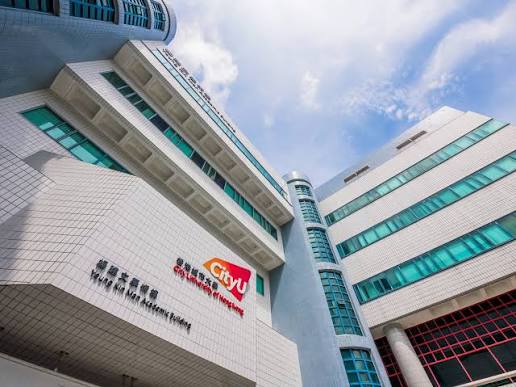
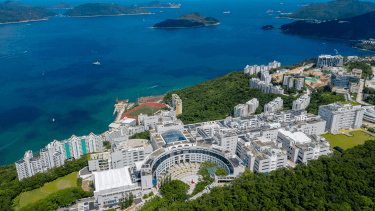
Hong Kong has several universities offering undergraduate and postgraduate programs across different disciplines. Applicants can investigate institutions such as the University of Hong Kong, the Chinese University of Hong Kong, the Hong Kong University of Science and Technology, City University of Hong Kong and the Hong Kong Polytechnic University.
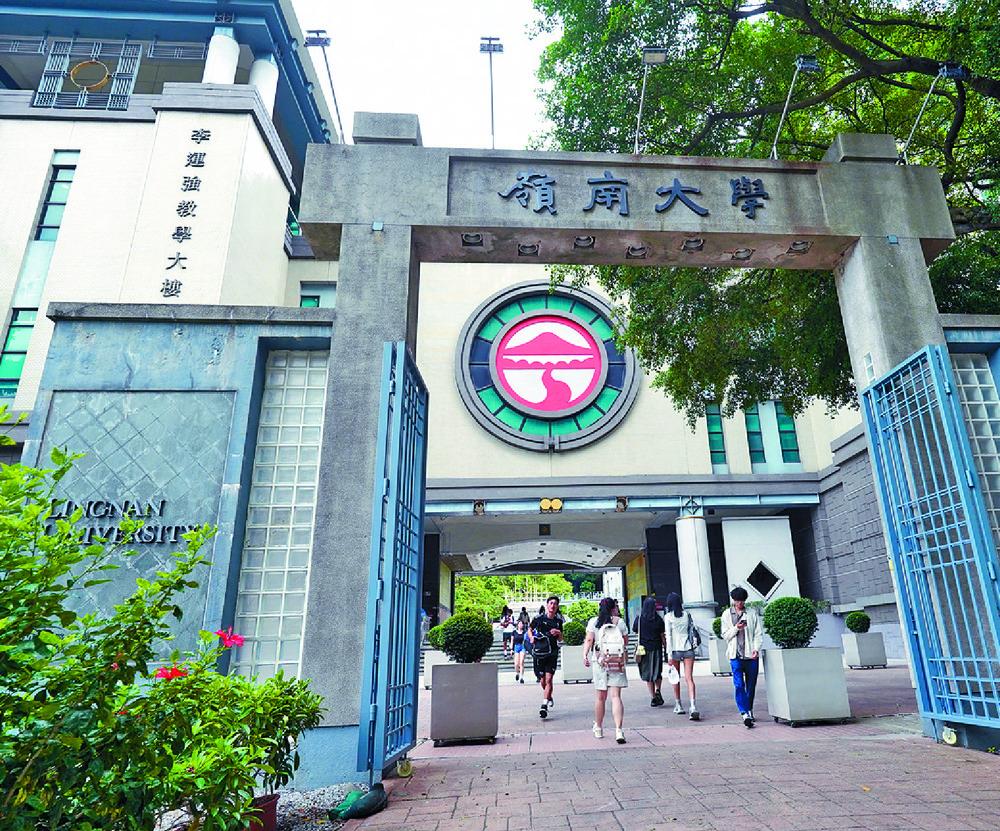
Other options include Hong Kong Baptist University, Lingnan University and the Education University of Hong Kong.
These institutions differ in their academic offerings, entry requirements, tuition schedules and scholarship opportunities. Students should confirm that their intended course accepts non-local applicants.
Who Is Classified as a Non-Local Student?
Non-local classification is determined under the applicable admission and funding rules. It should not be assumed solely from nationality or passport type.
Applicants should ask their chosen institution how their residency and immigration circumstances affect their admission category.
The classification can matter because local and non-local students may be subject to different tuition fees, application procedures and eligibility rules.
Hong Kong University Admission Requirements
Requirements depend on the institution, academic level and program. Undergraduate applicants may be assessed on their secondary school qualifications, subject performance, English-language proficiency and any program-specific prerequisites.
Some programs may require interviews, portfolios or additional assessments.
Applicants should check whether their national or international qualification is accepted for the specific course. Meeting a general university requirement does not necessarily satisfy the requirements of every degree program.
English-Language Requirements
Many university programs in Hong Kong are taught in English. Applicants may need to demonstrate proficiency through an accepted qualification or another form of evidence permitted by the institution.
Accepted tests, minimum scores and exemptions vary. Students should verify the requirements of their chosen program before registering for a language examination.
How to Apply to Hong Kong Universities
- Identify universities offering the intended subject.
- Compare course structure, duration and academic requirements.
- Confirm the correct applicant classification.
- Review qualification-specific admission criteria.
- Check English-language and other program requirements.
- Prepare academic transcripts and required identification documents.
- Submit the application through the institution's designated system.
- Complete interviews or additional assessments where required.
- Review admission conditions and payment deadlines.
- Complete the applicable immigration and enrollment procedures.
Applicants should follow the deadlines published for their own program. A broader expansion in university capacity does not automatically extend application dates.
Tuition Fees for International Students
Tuition varies by institution, degree level and program. Non-local students should review the fee schedule that applies specifically to their classification.
The revised enrollment ceiling does not introduce a single tuition rate for all international students.
Students should calculate the cost of the complete degree, including any expected fee changes, mandatory charges and additional program expenses.
Living Costs and Accommodation
International students should budget for accommodation, meals, transportation, insurance, study materials and personal expenses.
Accommodation arrangements differ between institutions. University residences may have separate applications, eligibility conditions and limited availability.
Receiving an admission offer does not necessarily guarantee a place in university housing. Students should confirm accommodation arrangements before finalizing their budget.
Scholarships for International Students
Scholarships may be offered by individual universities and other funding arrangements. Awards can have different academic, financial or program-specific criteria.
Students should check whether an award covers tuition only or provides additional support for living expenses.
They should also confirm whether a separate scholarship application is necessary, when decisions are made and whether funding can be renewed.
The enrollment-cap increase does not automatically create additional scholarships or guarantee financial assistance to newly admitted students.
What Does the Change Mean for Master's Applicants?
Applicants to taught master's programs should examine the admission arrangements for their intended degree.
Program availability, academic requirements, fees and application deadlines remain institution-specific.
The existence of additional recruitment capacity does not establish that every master's program will increase its intake.
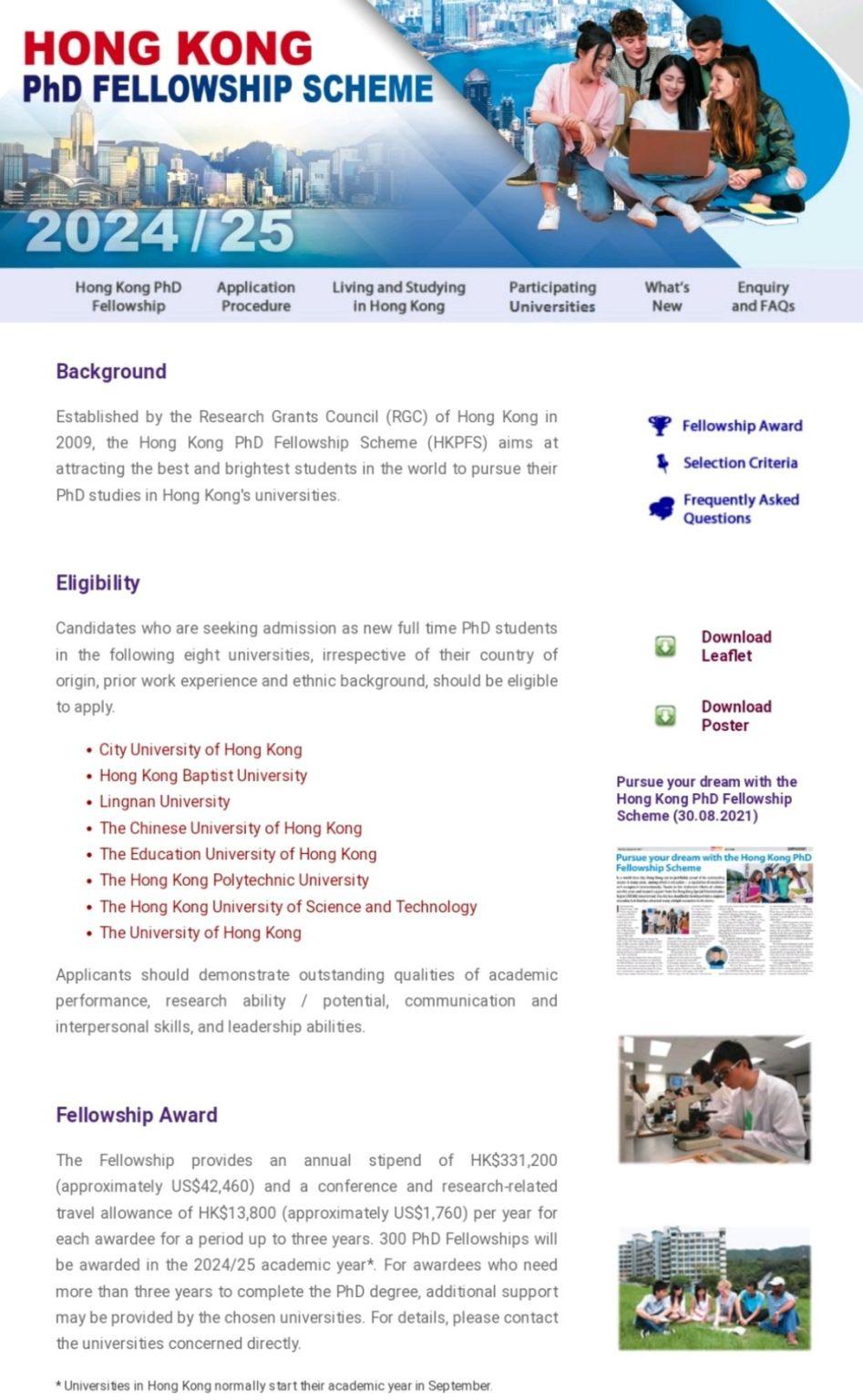
What About PhD and Research Applicants?
Research postgraduate education operates under arrangements that differ from those for taught programs.
Prospective doctoral students should investigate research supervision, project availability, academic qualifications and funding conditions.
A separate increase in the research postgraduate over-enrollment ceiling gives institutions additional flexibility, but it does not guarantee a funded doctoral position.
Can Indian Students Apply to Hong Kong Universities?
Indian applicants can explore programs that recognize their qualifications and accept applications from their student category.
Eligibility depends on academic performance, subject prerequisites, language requirements and other institutional conditions.
Students intending to enter a regulated profession should also examine qualification-recognition requirements in the country where they plan to work.
Can International Students Work While Studying?
Employment and internship permissions depend on the applicable immigration conditions and the student's individual status.
Students should check their conditions of stay before accepting paid work or participating in activities that may require permission.
They should not assume that every international student has identical employment rights.
Will More University Seats Mean Easier Admission?
Additional capacity may allow institutions to admit more non-local students, but admission decisions remain subject to academic requirements and institutional selection procedures.
A highly competitive program may continue to receive more qualified applications than it can accommodate.
Students should prepare strong applications rather than relying on the policy change alone.
Frequently Asked Questions
When does Hong Kong's revised non-local student cap take effect?
The revised ceiling applies from the 2026–27 academic year.
What is the new ceiling?
It is 50% of local student places for the specified self-financing non-local enrollment category in taught programs.
What was the previous ceiling?
The previous ceiling was 40% of local student places.
Does the policy guarantee admission?
No. Applicants must satisfy the admission requirements of their chosen institution and program.
Does every university have to expand enrollment?
No. Institutions determine how to use the permitted capacity.
Will tuition fees decrease?
The policy does not establish a general reduction in tuition fees.
Will scholarships automatically increase?
No. Scholarship funding and eligibility are governed by separate arrangements.
Does the 50% figure apply to every university in Hong Kong?
The announced change concerns the specified framework at publicly funded post-secondary institutions. Other institutions may operate under different arrangements.
Can Indian students benefit?
Eligible Indian applicants can apply to programs that accept their qualifications, but admission is not guaranteed.
Does the announcement affect research postgraduate programs?
A separate adjustment increases the applicable research postgraduate over-enrollment ceiling from 100% to 120%.
Final Update
Hong Kong's decision to raise the relevant non-local enrollment ceiling from 40% to 50% gives publicly funded institutions more flexibility to recruit students from outside the city beginning in 2026–27.
The change expands permitted capacity rather than guaranteeing admission, scholarships or accommodation. Prospective students should compare program-specific requirements, fees, deadlines and available financial support before applying.