Exam Reform Panel Consults Former ISRO Chief Radhakrishnan on Examination Reforms
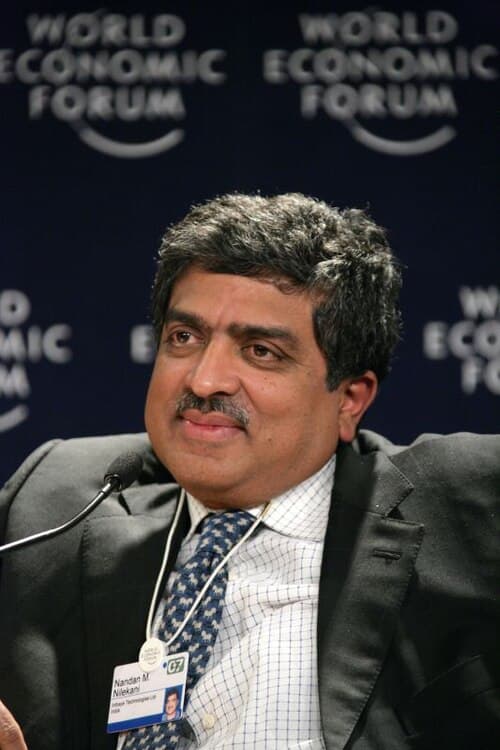
The Nandan Nilekani-led High-Powered Task Force on examination reforms has consulted former ISRO chairman K. Radhakrishnan as part of its review of India’s public examination system. The consultation brings together the current reform panel and the earlier committee that examined examination security and National Testing Agency reforms after the 2024 NEET-UG paper-leak controversy.
The High-Powered Task Force was constituted in July 2026 to recommend reforms covering the conduct, security, design and governance of public examinations, including examinations conducted by the National Testing Agency (NTA).
Exam Reform Task Force 2026: Key Details
| Particulars | Details |
|---|---|
| Current Task Force Chairman | Nandan Nilekani |
| Former Committee Chairman Consulted | K. Radhakrishnan |
| Current Task Force Constituted | July 26, 2026 |
| Primary Focus | Public examination security, governance, technology and transparency |
| Examinations Covered | Public examinations, including NTA examinations |
| Current Stage | Stakeholder consultation and preparation of recommendations |
Why Was K. Radhakrishnan Consulted?
Radhakrishnan chaired the seven-member committee constituted by the Centre in June 2024 after concerns over the NEET-UG examination. That committee submitted its report in October 2024 with 101 recommendations covering examination processes, data security and the structure and functioning of the NTA.
The current task force is studying those earlier recommendations while developing the next phase of examination reforms.
What Did the Earlier Radhakrishnan Committee Recommend?
- Stronger security controls for examination-critical systems
- Improved question-paper management
- More secure candidate registration and fee-payment systems
- Protection of admit-card and examination databases
- Improved computer-based testing infrastructure
- Better safeguards for OMR processing
- More secure normalisation and result-processing systems
- Changes to the governance and structure of the NTA
What Is the Nilekani-Led Panel Reviewing?
| Reform Area | Focus |
|---|---|
| Exam Security | Preventing leaks, malpractice and system vulnerabilities |
| Technology | Use of secure digital systems and computer-based testing |
| Governance | Improving accountability and institutional processes |
| Infrastructure | Strengthening examination centres and delivery systems |
| Transparency | Improving communication, grievance redressal and trust |
| Student Welfare | Considering accessibility, inclusion and student well-being |
Task Force Has Sought Public Suggestions
The High-Powered Task Force has also invited suggestions from students, parents, teachers, academic institutions, subject experts, industry organisations and examination-conducting bodies. The government said the objective is to create a public examination system that is robust, secure, transparent, equitable and future-ready.
The consultation exercise covered areas such as assessment design, secure technology, infrastructure, grievance systems, accessibility and student well-being.
What Could Change in Future Entrance Exams?
No final reform package has yet been announced. However, the review could eventually influence how major entrance examinations are designed and administered.
- More secure digital examination systems
- Expanded use of computer-based testing
- Stronger question-paper and data-security protocols
- Changes in the organisational structure of the NTA
- New examination-centre standards
- Improved grievance and transparency mechanisms
When Will the Exam Reform Panel Submit Its Report?
The Centre told the Supreme Court in September that the Nilekani-led panel had carried out extensive consultations and was expected to submit its first interim report around the end of the month. Any recommendations will still require government consideration before becoming official examination rules.
For candidates preparing for NEET, JEE and other high-stakes entrance examinations, the existing rules continue to apply unless the relevant examination authority formally announces a change. The consultation with K. Radhakrishnan shows that the current reform panel is drawing on the lessons and recommendations of the earlier examination-security review while developing a broader framework for future public examinations.



q.jpg)