Gandhi Jayanti 2026 Activities for School Students: Creative Ideas for October 2
Gandhi Jayanti will be observed across India on October 2, 2026, giving schools an opportunity to introduce students to Mahatma Gandhi’s ideas of truth, non-violence, cleanliness, social responsibility and peaceful coexistence through meaningful classroom and campus activities. Instead of limiting the occasion to speeches and assemblies, schools can combine creative competitions, community service, art, theatre and experiential learning to make the observance more engaging for students.
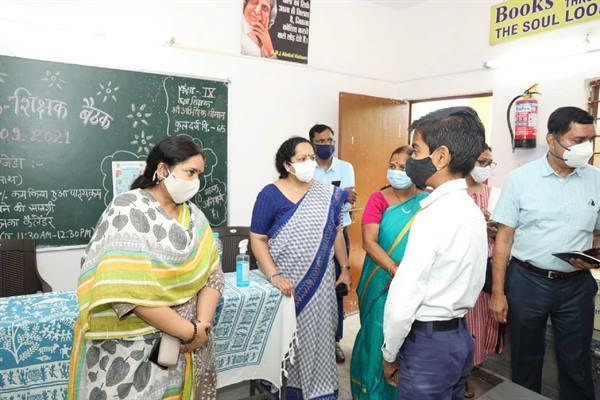
Previous school initiatives supported by the Department of School Education and Literacy have included cleanliness drives, speeches, quizzes, essays, painting activities and cultural programmes based on Gandhi’s life. Gandhi Smriti and Darshan Samiti has also continued student-focused learning in 2026 through activities such as theatre, art, meditation, museum visits and workshops exploring Gandhian values.
Gandhi Jayanti 2026: Quick Overview
| Particular | Details |
|---|---|
| Occasion | Gandhi Jayanti 2026 |
| Date | October 2, 2026 |
| Suitable For | Primary, middle and senior school students |
| Core Themes | Truth, non-violence, peace, cleanliness, equality and social responsibility |
| Activity Formats | Debate, art, quiz, theatre, essay, service projects and exhibitions |
Creative Gandhi Jayanti Activities for Students
- Cleanliness Drive: Organise a supervised cleanliness campaign inside the school campus or surrounding community area.
- Gandhi Quiz: Conduct age-appropriate questions covering Gandhi’s life, movements, writings and philosophy.
- Poster-Making Competition: Ask students to create posters around peace, sustainability, Swachhata or non-violence.
- Essay Writing: Topics can include “Gandhi’s Relevance Today” or “What Non-Violence Means to My Generation.”
- Speech Competition: Students can deliver short speeches explaining one Gandhian principle and its modern relevance.
- Role Play: Recreate important episodes from the freedom movement through short classroom performances.
- Peace Pledge: Encourage students to write one action they will take to resolve disagreements peacefully.
- Waste-to-Art Activity: Convert discarded material into useful or artistic objects while discussing simplicity and responsible consumption.
- Khadi and Swadeshi Exhibition: Display information about khadi, village industries and locally produced goods.
- Community Service: Older students can participate in supervised service activities supporting elderly people or community organisations.
Gandhi Jayanti Activity Ideas by Age Group
| Student Group | Suggested Activities |
|---|---|
| Primary Classes | Drawing, storytelling, simple quizzes and peace badges |
| Middle School | Poster-making, essays, role plays and cleanliness activities |
| Senior School | Debates, research presentations, community projects and discussions |
How Schools Can Make the Celebration More Meaningful
Schools can move beyond ceremonial programmes by connecting each activity to a learning outcome. A cleanliness campaign can become a lesson in civic responsibility, while a debate on non-violence can encourage students to examine how conflicts are handled in contemporary society. Art activities can explore sustainability and simplicity, while theatre can help students understand historical events from multiple perspectives.
Gandhi Smriti and Darshan Samiti’s student programmes in 2026 have similarly used creative methods including clay modelling, walking meditation, theatre, painting and museum-based learning to introduce young people to ideas connected with peace, truth and simplicity. These formats show how Gandhi Jayanti activities can combine historical learning with participation rather than relying only on lectures.
Simple One-Day Gandhi Jayanti Programme for Schools
- Begin with a morning assembly and short introduction to Gandhi’s life.
- Conduct an inter-house quiz or speech competition.
- Organise a poster, art or waste-to-art activity.
- Hold a short cleanliness or community-service initiative.
- Conclude with student reflections on truth and non-violence.
For Gandhi Jayanti 2026, the strongest school programmes will be those that help students understand how Gandhian values can be applied in everyday life. Combining creativity, discussion and community participation can turn October 2 into an active learning experience rather than simply another commemorative event.
Official Sources
https://www.education.gov.in/
https://www.gandhismriti.gov.in/

q.jpg)