
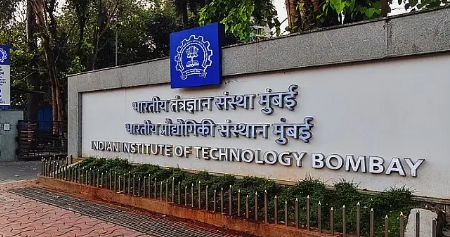
IIT Bombay Issues Anti-Discrimination Advisory: Students Asked Not to Question Peers About Caste, JEE Ranks or GATE Scores
The Indian Institute of Technology Bombay (IIT Bombay) has reiterated its anti-discrimination guidelines, advising students, faculty members and staff not to ask students about their caste, birth or admission category, JEE Advanced ranks, GATE scores or other information that could reveal their social background. The advisory was circulated by the Office of the Dean of Student Affairs on October 13, 2026, and reported publicly on October 15.
The guidelines aim to promote an inclusive campus environment where students can interact without discrimination based on caste, religion or socioeconomic background. The institute has cautioned that questions that appear harmless or arise from curiosity may create conscious or unconscious bias and make students uncomfortable.
What Do IIT Bombay's Anti-Discrimination Guidelines Say?
Under the advisory, members of the campus community are discouraged from asking fellow students about their birth or admission category. Questions about JEE Advanced ranks, GATE scores and similar information are also considered inappropriate when they could reveal caste or related aspects of a student's background.
The institute has encouraged students to build relationships through shared interests, including academic subjects, sports, music, films, hobbies and hometowns. The objective is to foster friendships and collaboration without focusing on social identity or admission-related differences.
The guidelines also prohibit abusive, hateful, casteist or sexist messages and content displaying prejudice based on religion or sexual orientation. Harassment and bullying are covered as well, including conduct through WhatsApp, Facebook, email, online forums and in-person interactions. Violations may invite disciplinary action.
IIT Bombay Reaffirms Commitment to Equal Opportunities
IIT Bombay has reiterated its commitment to implementing the Constitution's reservation policy in letter and spirit and ensuring equal opportunities for admitted students. Its stated objective is to prevent discrimination by fellow students, faculty members or staff and encourage respectful interactions throughout the campus.
The advisory is particularly relevant in competitive engineering institutions, where entrance examination ranks and admission categories can become subjects of comparison. The institute's guidance emphasises that such conversations should not create an environment in which students feel judged or treated differently because of their social background.
Why Has the Advisory Drawn Renewed Attention?
The renewed guidelines come amid heightened scrutiny of student welfare following the death of second-year BTech student Sahil Wakode on September 18, 2026. His family has alleged caste-based harassment involving a faculty member. The allegations and circumstances surrounding his death remain matters requiring investigation, and allegations should not be treated as established findings.
Students protesting at IIT Bombay's main gate have questioned whether circulating another advisory is sufficient to address concerns about discrimination. They have pointed out that similar guidelines were issued in 2023 and have called for direct engagement with the administration and more substantive action on campus concerns.
The debate has renewed attention on institutional grievance mechanisms, campus safety, student support systems and accountability at higher education institutions. While written guidelines establish expectations for behaviour, students have also called for meaningful dialogue and effective responses to complaints.
What This Means for Students and Higher Education Institutions
For students, the advisory reinforces the importance of respecting privacy, avoiding intrusive questions about caste or admission category, and reporting harassment through appropriate institutional channels. Faculty members and staff are also expected to follow the same principles of respectful conduct.
For colleges and universities, the development highlights the continuing importance of anti-discrimination policies, accessible complaint procedures and inclusive campus practices. Students seeking information about IIT Bombay's official policy can consult the institute's Anti-Discrimination Guidelines.
IIT Bombay's renewed advisory places respectful communication and equal treatment at the centre of campus life. The wider discussion now extends beyond the wording of the guidelines to how educational institutions can build trust, address complaints effectively and ensure that every student can participate in academic life without discrimination.








