Pralhad Joshi Meets IIT Madras Students to Discuss Innovation and India's Future
Union Minister Pralhad Joshi's reported interaction with students at the Indian Institute of Technology Madras has brought attention to discussions around innovation, entrepreneurship and India's future development. Interactions between public representatives and students can provide opportunities to exchange ideas about research, technology, skills and the role of higher education in addressing national challenges.
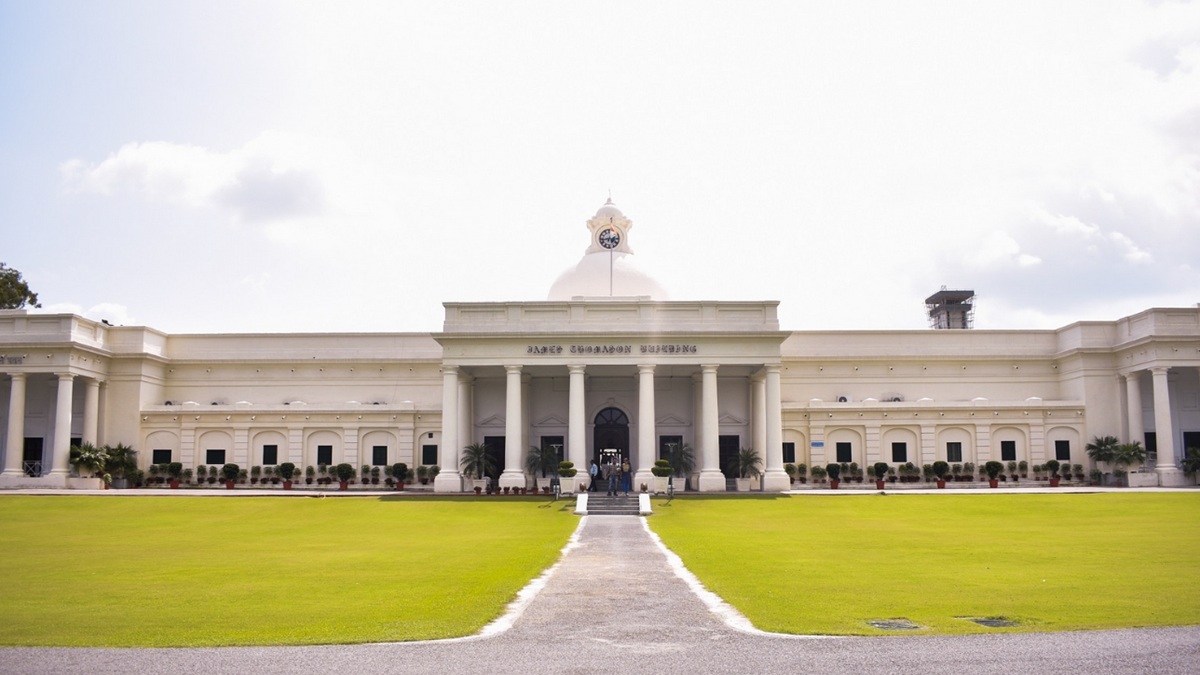
IIT Madras is recognised for its engineering and technology education, research activity and innovation ecosystem. Discussions involving students at institutions such as IIT Madras can encourage young researchers and aspiring entrepreneurs to consider how their academic work may contribute to industry, public services and wider economic development.
Key Details
| Particular | Details |
|---|---|
| Minister | Pralhad Joshi |
| Institution | Indian Institute of Technology Madras |
| Reported activity | Meeting with students |
| Broad themes | Innovation and India's future |
| Potential focus areas | Research, entrepreneurship, technology and skills |
Why Innovation Matters for India's Future
Innovation plays a role in developing new products, improving services and addressing challenges across sectors such as healthcare, energy, agriculture, manufacturing and education. Universities can contribute by combining academic research with practical experimentation and collaboration with industry.
For students, innovation is not limited to launching a startup. It can also involve improving an existing process, developing an affordable technology, conducting applied research or finding a more effective way to solve a local problem.
The Role of IITs in Research and Entrepreneurship
Indian Institutes of Technology provide advanced technical education and research opportunities across engineering, science, technology and related disciplines. Campus laboratories, innovation programmes, entrepreneurship support and industry partnerships can help students move from theoretical concepts to practical applications.
- Research: Investigating scientific and technological problems.
- Entrepreneurship: Turning useful ideas into sustainable ventures.
- Industry collaboration: Connecting academic knowledge with practical requirements.
- Interdisciplinary learning: Combining engineering, business and other fields.
- Social impact: Developing solutions for public needs and underserved communities.
How Students Can Turn Ideas Into Innovation
Students interested in innovation can begin by identifying a clearly defined problem and investigating whether existing solutions meet the need. They can then develop a prototype, test it, collect feedback and improve the design. Mentorship and collaboration with researchers or industry professionals may help refine the idea.
| Stage | Student Action |
|---|---|
| Problem identification | Understand a real need through observation and research |
| Research | Review existing knowledge and possible solutions |
| Prototype development | Build an initial model or test version |
| Testing | Evaluate performance and collect feedback |
| Improvement | Address limitations and refine the solution |
| Implementation | Explore practical use, partnerships or commercialisation |
What Such Interactions Mean for Higher Education
Student interactions with policymakers can create a forum for discussing research priorities, employment opportunities, emerging technologies and the skills required by the economy. They may also give students an opportunity to raise questions about the relationship between education, innovation and public policy.
However, the specific announcements, commitments or proposals made during this particular meeting should be confirmed through an official statement or verified event report. A meeting alone does not necessarily indicate that a new policy or programme has been approved.
Conclusion
The reported meeting between Pralhad Joshi and IIT Madras students places innovation and India's future at the centre of a wider conversation about education, research and entrepreneurship. Strong links between academic institutions, industry and public policy can help students develop ideas into practical solutions. Readers should refer to official communications for confirmed details of the meeting and any specific announcements made during the interaction.



q.jpg)

-logo.jpg)