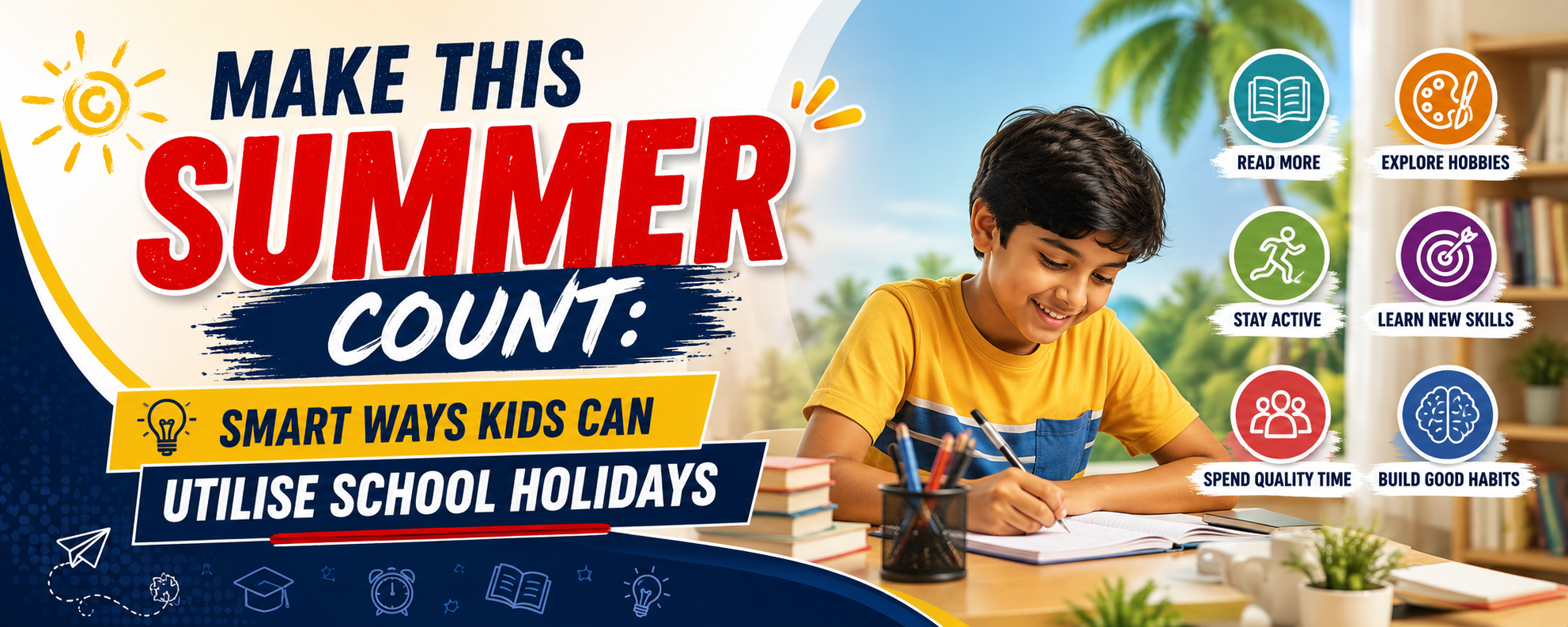
Make This Summer Count: Smart Ways Kids Can Utilise School Holidays
Summer vacation does not have to be only about screens, late mornings and idle time. Students can use school holidays to rest, explore hobbies, build useful skills, read more, stay physically active and gain real-world experiences before returning to class with more confidence.
Why Summer Vacation Can Be More Than A Break
As schools across India close for summer holidays, students get a rare chance to slow down and reset. While rest is important, the break can also become a period of growth if children use it for learning, creativity, physical activity and meaningful experiences.
A balanced summer routine can help students return to school refreshed, healthier and more confident. The goal is not to overload children with more academic pressure, but to help them explore interests that regular school schedules often do not allow.
Smart Ways Students Can Use Summer Holidays
Students can make summer productive by choosing activities that match their age, interest and energy level. A mix of indoor and outdoor activities works best.
| Activity Area | Examples | Student Benefit |
|---|---|---|
| Physical Fitness | Yoga, running, swimming, sports, cycling | Builds energy, discipline and better health |
| Creative Hobbies | Painting, pottery, photography, music, journaling | Improves imagination, focus and self-expression |
| Skill Building | Coding, graphic design, language learning, online courses | Develops future-ready academic and career skills |
| Reading | Books, newspapers, novels, biographies, magazines | Improves vocabulary, knowledge and thinking ability |
| Volunteering | Libraries, shelters, clean-up drives, community work | Builds empathy, teamwork and social responsibility |
| Exploration | Historical sites, nature trips, museums, STEM workshops | Connects classroom learning with real-world experiences |
Physical Fitness Should Be A Priority
Summer holidays are a good time for students to move more. Activities like yoga, swimming, running, badminton, football, cycling or simple morning walks can improve fitness and reduce screen fatigue.
Physical activity also supports better sleep, mood and concentration. Parents can encourage children to choose one regular fitness activity instead of forcing too many options at once.
Yoga And Stretching
Helps improve flexibility, posture, breathing and calmness during vacation.
Swimming Or Running
Builds stamina and keeps students active during long school breaks.
Daily Outdoor Play
Outdoor time reduces screen dependence and supports better physical health.
Build A New Hobby Or Creative Skill
Summer is one of the best times for students to try something new without exam pressure. Creative hobbies such as painting, pottery, photography, music, dance, writing or journaling can help children express themselves better.
Hobbies also teach patience and consistency. Even spending 30 to 45 minutes daily on one interest can help students build visible progress by the end of vacation.
Learn Digital And Future-Ready Skills
Students from middle school onward can use summer holidays to learn basic digital skills. Coding, graphic design, animation, presentation design, photography, video editing and beginner AI tools can make learning more practical.
Older students can also join short online courses related to communication, data, design, entrepreneurship or career exploration. The aim should be to learn one useful skill deeply instead of enrolling in too many courses.
- Basic coding
- Graphic design
- Photography
- Video editing
- Presentation design
- Foreign language basics
- Typing and digital literacy
- Online certification courses
Reading Programmes And Library Visits
Libraries across India often organise summer reading programmes for school students. These programmes can help children build regular reading habits in a fun and guided way.
Students can read newspapers, short stories, novels, biographies, comics, science books or age-appropriate magazines. A simple reading log can help them track what they read and what they learned.
| Student Level | Reading Ideas | Simple Goal |
|---|---|---|
| Primary Students | Picture books, comics, moral stories, short science books | Read 15-20 minutes daily |
| Middle School Students | Novels, biographies, newspapers, general knowledge books | Finish 2-3 books during vacation |
| High School Students | Career books, editorials, non-fiction, subject-based books | Build vocabulary and critical thinking |
| College Students | Industry reports, internships guides, skill books, research-based reading | Connect reading with career goals |
Volunteering Can Teach Life Skills
Volunteering during summer holidays can help students understand social responsibility. Activities such as helping at libraries, joining environmental clean-up drives, assisting at shelters or participating in local community work can build empathy and teamwork.
Such experiences also help older students develop confidence and communication skills. For college applications and future interviews, meaningful volunteering can show initiative and maturity.
Internships For High School And College Students
For high school and college students, summer internships can be a useful way to understand real workplaces. Internships in fields like content writing, design, technology, social work, research, marketing or small business operations can provide practical exposure.
Even a short internship can help students understand career interests, build confidence and add valuable experience to resumes, college applications or future job interviews.
Work Exposure
Internships help students understand how professional environments work.
Practical Experience
Students can add real projects, tasks and learning outcomes to their profile.
Better Communication
Working with mentors or teams improves confidence and responsibility.
Family Vacations Can Become Learning Experiences
Family trips can teach children more than travel comfort. Visiting historical sites, museums, national parks, cultural destinations or places with geographical importance can broaden students’ understanding of people, food, traditions and lifestyles.
Parents can make travel educational by asking children to maintain a travel journal, click meaningful photographs, collect facts about places visited or write a short reflection after returning home.
Sample Balanced Summer Routine For Students
A summer routine should not feel like another school timetable. It should be flexible but structured enough to avoid wasting the entire vacation.
Rest Is Also Important During Summer Vacation
A productive summer does not mean filling every hour with classes and activities. Students also need rest, sleep and unstructured time. A break from school routine can support creativity and help children return with fresh energy.
Parents should avoid turning holidays into another stressful academic cycle. The best summer plan is one that balances learning with physical health, emotional rest and family connection.
Quick Summer Holiday Checklist For Students
- Choose one fitness activity
- Pick one creative hobby
- Read daily for 20-30 minutes
- Learn one useful digital skill
- Spend time outdoors
- Try journaling or writing
- Help at home or volunteer locally
- Sleep properly and reduce screen time
FAQs On Summer Vacation Activities For Students
How can students use summer vacation productively?
Students can use summer vacation productively by balancing rest, reading, fitness, hobbies, skill-building, volunteering and family activities.
What are the best summer activities for school students?
Good summer activities include yoga, swimming, reading, painting, coding, music, journaling, library visits, STEM workshops and outdoor play.
Should students study during summer holidays?
Students can revise lightly or learn new skills, but summer should not become stressful. Rest and play are also important.
Are internships useful during summer vacation?
Yes. For high school and college students, internships provide hands-on career exposure and help build confidence and resumes.
How can parents make family vacations educational?
Parents can visit historical, cultural or natural places and ask children to maintain a travel journal or write what they learned.
Why is reading important during summer holidays?
Reading improves vocabulary, knowledge, imagination and critical thinking. It also keeps students mentally active during the break.
How much screen time is okay during summer vacation?
Screen time should be balanced with outdoor play, reading, sleep, hobbies and family activities. Parents can set daily limits based on age.