IIT Roorkee–University of Calgary Joint PhD: Research Areas and Opportunities Explained
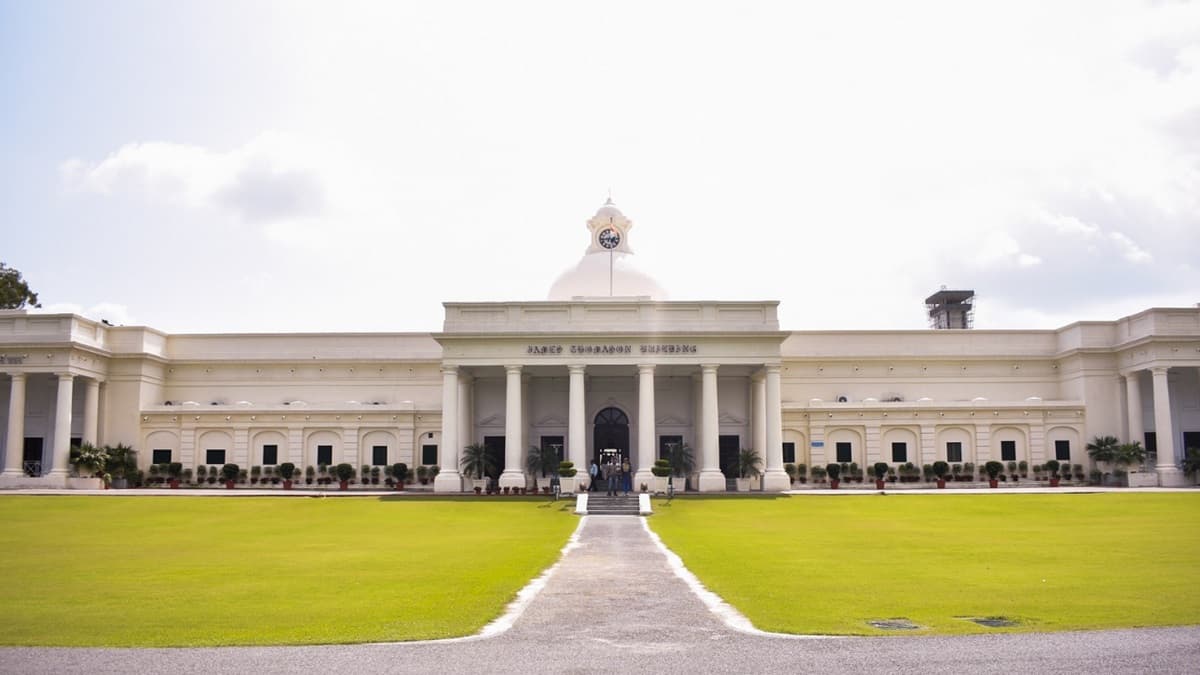
IIT Roorkee and the University of Calgary have signed an agreement to establish a Joint Doctoral Degree Program, expanding their academic and research collaboration. The initiative includes joint supervision, interdisciplinary research opportunities, and access to academic and research facilities at both institutions.
For prospective doctoral students, the announcement introduces a pathway worth following. However, an agreement to establish a program does not automatically mean applications are open. Candidates should look for program-specific admission instructions before preparing an application around assumed deadlines or eligibility conditions.
IIT Roorkee–Calgary Joint PhD Research Areas
The collaboration identifies several research themes connected to environmental challenges, resources, and emerging technologies.
| Research Theme | Area Identified in the Announcement |
|---|---|
| Sustainability | Sustainable development |
| Energy | Clean energy |
| Resource management | Circular economy |
| Water systems | Water and wastewater management |
| Strategic resources | Critical minerals |
| Advanced technology | Semiconductor-related technologies |
The partnership also emphasizes innovation, entrepreneurship, and translating research into practical technologies. These are collaboration objectives; individual projects will need their own research scope, supervision arrangements, and approvals.
What Joint Doctoral Supervision Means for Students
The announced approach involves supervision across the two institutions. Its value for an individual researcher will depend on how closely the available expertise matches the proposed research question and whether the project can use the relevant facilities effectively.
Applicants should begin with the research problem rather than the international label. Explain what needs investigation, why existing approaches are insufficient, and how collaboration between the institutions could strengthen the proposed work.
Admission Details Candidates Should Verify
- Whether a dedicated application or nomination call has opened.
- Which departments and supervisors are participating.
- The academic qualifications and language requirements.
- How enrollment and time at each institution will be arranged.
- The funding conditions and expenses covered.
- The thesis examination and degree-award arrangements.
Funding, Fees and International Research Costs
A joint program announcement does not establish that every admitted student will receive full funding. Before accepting an offer, request written details covering tuition, stipend support, travel, accommodation, insurance, and project expenses. Check the duration of support and any conditions attached to renewal.
Separate guaranteed funding from support that requires another application. A realistic budget should also account for expenses that arise before a scholarship payment or reimbursement becomes available.
How to Prepare a Research Proposal
Develop a concise proposal explaining the central question, relevant previous research, proposed methods, and expected contribution. Identify the equipment, data, fieldwork, or specialist guidance the project would require. Connect those needs to potential supervisors’ work.
Prepare academic transcripts, a research-focused CV, and examples of previous projects where available. When contacting a potential supervisor, explain the specific connection between your proposal and their expertise rather than sending a generic request for admission.
What Applicants Should Watch Next
The next actionable development will be formal instructions establishing eligibility, selection, deadlines, funding, and program operation. Until those details are available, prospective candidates can investigate research fit and prepare their academic records without assuming that admission or financial support is guaranteed.



q.jpg)
-logo.jpg)