
Assam Launches Nameri Wild Classroom for Students From Class 8 Onward
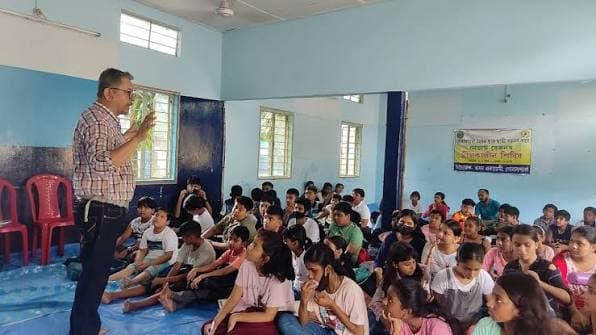
The Assam Forest Department has launched the Nameri Wild Classroom initiative to help students learn about wildlife, biodiversity and environmental conservation through direct experiences in nature. Announced by Assam Forest and Climate Change Minister Jayanta Malla Baruah in October 2026, the programme will take students beyond traditional classrooms and into the forests and river ecosystems of Nameri Tiger Reserve.
The initiative is open to students from Class VIII onward, including college students. It will offer two-day and three-day residential learning programmes featuring guided forest walks, birdwatching, wildlife tracking, river ecology activities and opportunities to learn about the traditions of local communities. Naturalists and forest personnel will guide participants throughout the experience.
Nameri Wild Classroom 2026: Key Details
| Particular | Details |
|---|---|
| Programme name | Nameri Wild Classroom |
| Organising department | Assam Forest Department |
| Location | Nameri National Park and Tiger Reserve, Assam |
| Eligible participants | Students from Class VIII onward, including college students |
| Programme duration | Two-day and three-day residential programmes |
| Learning activities | Birdwatching, forest walks, wildlife tracking, river ecology, rafting and local community interactions |
| Guidance | Naturalists and forest personnel |
| Completion benefit | Field journal and certificate of completion |
What Will Students Learn at Nameri Wild Classroom?
The programme is designed around experiential learning, allowing students to observe natural environments rather than relying exclusively on classroom explanations. Activities will connect concepts from biology, geography and environmental studies with real-world examples from the reserve.
1. Birdwatching and Wildlife Observation
Students will have opportunities to observe birds and learn about wildlife habitats. Guided activities can help participants understand animal behaviour, species identification and the importance of protecting biodiversity. Nameri is known for its rich birdlife and forest ecosystems, making it a suitable setting for nature education.
2. Guided Forest Walks and Wildlife Tracking
Forest walks will introduce students to the relationships between vegetation, wildlife and habitat conditions. With guidance from trained personnel, participants can learn to observe signs of animal activity and understand how researchers and conservation teams study forest ecosystems.
3. River Ecology and Jia-Bharali Rafting
The programme will include activities focused on river ecology and an opportunity to experience rafting on the Jia-Bharali River. These activities are intended to help students understand river environments, aquatic habitats and the relationship between water systems and surrounding forests. Participants should follow the organisers' safety instructions during all outdoor and water-based activities.
4. Learning From Local Communities
Students will also learn about the traditions, knowledge and practices of communities connected to the surrounding landscape. This component can help participants understand how people interact with forests and rivers and why community participation matters in conservation.
Field Journals and Certificates
Participants will maintain field journals to record observations, questions and lessons learned during the residential programme. Keeping a journal encourages students to document evidence, compare observations and develop scientific thinking. Participants will receive a certificate after completing the programme.
The certificate recognises participation in the learning experience. Students should check with their school or college before assuming that it carries academic credit or is equivalent to a formal qualification.
How Schools and Colleges Can Participate
Schools, colleges and educators interested in arranging a visit can contact the programme organisers to obtain current information about registration, available dates, group arrangements, accommodation, charges and safety requirements.
- Confirm that participants meet the minimum age or class requirements.
- Ask about available two-day and three-day programme dates.
- Check the applicable participation cost and what it includes.
- Confirm accommodation, meals, transport and supervision arrangements.
- Obtain details about outdoor activity safety and required permissions.
- Follow the organisers' instructions for group bookings and participation.
Programme enquiries were reported through the email address [email protected] and WhatsApp number 9401822244. Schools and educators should confirm that these contact details remain active before making arrangements.
Why Nature-Based Learning Matters
Nature-based education can complement classroom learning by helping students connect scientific concepts with observable ecosystems. Activities in forests and river environments encourage curiosity, observation, teamwork and environmental responsibility.
The initiative may also introduce students to future study and career areas such as wildlife research, ecology, forestry, biodiversity conservation and environmental science. By combining guided observation with interaction with local communities, Nameri Wild Classroom aims to strengthen awareness of Assam's natural heritage and the importance of protecting it.
Frequently Asked Questions
Who can participate in Nameri Wild Classroom?
The programme is open to students from Class VIII onward, including college students.
Where will the programme take place?
The activities will take place at Nameri National Park and Tiger Reserve in Assam, with learning focused on its forest and river ecosystems.
How long is the programme?
The initiative offers two-day and three-day residential learning programmes.
What activities are included?
Activities include birdwatching, guided forest walks, wildlife tracking, river ecology, rafting on the Jia-Bharali River and learning about local community traditions.
Will students receive a certificate?
Yes. Participants are expected to maintain field journals and receive certificates upon completing the programme.
How can an educational institution enquire about participation?
Schools and colleges can contact the programme organisers to confirm booking procedures, dates, fees, accommodation and safety arrangements.
Nameri Wild Classroom offers students an opportunity to study nature through direct observation and guided activities. By combining wildlife education, river ecology and local knowledge, the Assam Forest Department aims to make environmental learning more practical and engaging while encouraging young people to value the region's biodiversity.






q.jpg)


