
Legal Challenge Over College's Hijab, Burqa, and Naqab Ban: Students' Rights and Legal Implications
In a significant legal development, nine students from the NG Acharya and DK Marathe College, affiliated with the Chembur Trombay Education Society, have filed a petition in the Bombay High Court challenging the college's directive imposing a ban on hijab, burka, and naqab in the classroom. The petitioners, second and third-year degree students, contend that the ban is arbitrary, unreasonable, and violates their fundamental rights.
Background of the Case
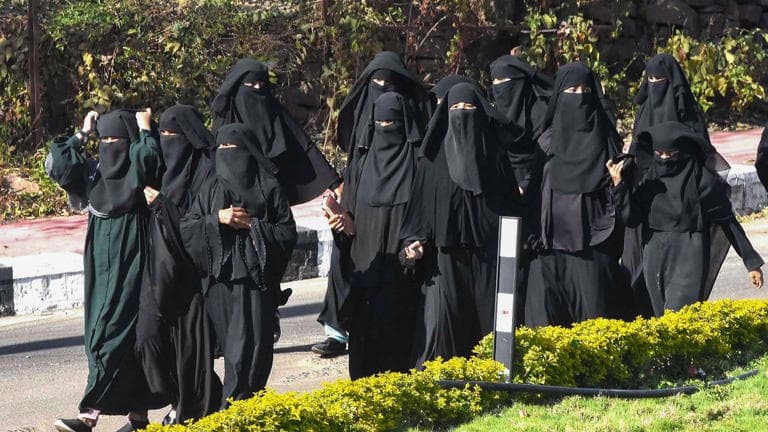
The controversy arose when, on May 1, the college administration circulated a notice via its WhatsApp group comprising faculty members and students. This notice announced a new dress code policy that prohibited the wearing of burka, naqab, hijab, badges, cap, and stole within the college premises, particularly in classrooms. The students, whose religious beliefs mandate them to wear hijab, burka, or naqab, objected to this directive, viewing it as an infringement on their religious freedom and personal autonomy.
Legal Basis of the Petition
In their petition before the Bombay High Court, the students argue several key points:
Arbitrary and Unreasonable: The petitioners assert that the ban imposed by the college is arbitrary, as it was implemented without any valid justification or consultation with the affected students. They argue that such a restrictive policy restricts their right to express their religious identity freely.
Violation of Fundamental Rights: The students contend that the ban on hijab, burka, and naqab violates their fundamental rights guaranteed under the Constitution of India, particularly Article 25 (freedom of religion) and Article 21 (right to life and personal liberty). They argue that their religious beliefs and practices are integral to their identity and should be respected within the educational institution.
Lack of Legal Authority: According to the petitioners, the college's directive lacks legal authority and is therefore "bad-in-law." They assert that educational institutions should not impose arbitrary restrictions that undermine students' rights without proper statutory backing.
Efforts for Redressal: Initially, the petitioners raised their concerns with the college management and principal, urging them to withdraw the dress code restrictions. When their appeals were not addressed, they escalated the matter to the chancellor, vice-chancellor of the university, and the University Grants Commission (UGC). However, failing to receive a satisfactory response, they turned to the judiciary for legal recourse.
Judicial Response and Next Steps
The Bombay High Court, headed by Justice AS Chandurkar, is scheduled to hear the petition next week. The students are hopeful that the court will uphold their rights and strike down the college's ban as unconstitutional and unjust. The outcome of this case could set a precedent regarding the balance between religious freedoms and institutional regulations within educational settings.
Societal and Educational Implications
Beyond the legal aspects, the case has sparked broader societal and educational discussions:
Religious Freedom vs. Institutional Norms: It raises questions about how educational institutions should accommodate religious practices while maintaining discipline and uniformity.
Diversity and Inclusion: The case underscores the importance of fostering a diverse and inclusive educational environment that respects students' cultural and religious diversity.
Legal Precedent: Depending on the court's decision, this case could influence future policies and regulations concerning dress codes and religious practices in educational institutions across India.
Conclusion
The legal challenge by the students against the ban on hijab, burka, and naqab at NG Acharya and DK Marathe College represents a crucial test of constitutional principles and individual rights. As the matter unfolds in the Bombay High Court, all eyes are on how the judiciary will balance the rights of religious freedom with institutional autonomy, setting a potentially landmark precedent in Indian education law. The outcome will not only impact the petitioners directly but also resonate across the broader educational landscape in the country. For now, the students await the court's decision with hope for justice and affirmation of their constitutional rights.

