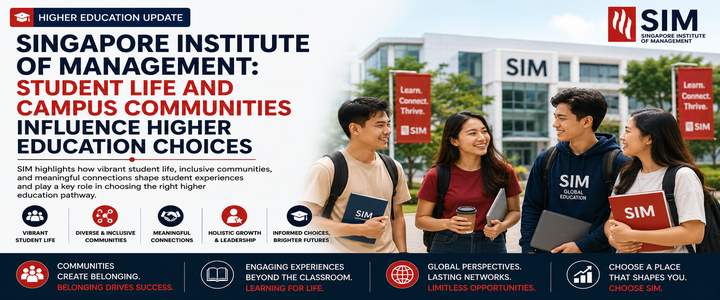
SIM Emphasizes the Role of University Networks in Shaping Higher Education Choices
As students and their families consider university options, the Singapore Institute of Management (SIM) has highlighted the significant influence that university networks and partnerships have on students’ higher education decisions. These connections often provide students with broader academic opportunities, access to global campuses, and enhanced career pathways. Understanding the value of such networks can help applicants make more informed choices about their education and future prospects.
Key Highlights
- University partnerships influence student decisions beyond academic reputation.
- Access to international campuses and exchange programs is a key factor.
- Collaborations enhance career opportunities through industry links.
- Students value flexible study pathways offered by networked institutions.
- SIM stresses the importance of evaluating university affiliations during application.
- Media reports suggest growing awareness of network benefits among prospective students.
What Happened?
The Singapore Institute of Management has drawn attention to how university networks and collaborations play a crucial role in shaping students’ choices for higher education. As students weigh options, factors such as academic quality remain important, but the presence of global partnerships and articulation agreements increasingly influence decisions.
These networks often allow students to access diverse learning environments, participate in exchange programs, or transfer credits between institutions, enhancing their educational experience. For students aiming for international exposure or flexible study options, these connections can be decisive.
While SIM’s observations come as per media reports, they reflect a broader trend where students and families prioritize universities with strong global ties and industry collaborations.
Why This Update Matters
For students and parents, understanding the impact of university networks is essential when choosing where to study. These partnerships can open doors to international campuses, internships, and career opportunities that might not be available otherwise.
Applicants can benefit by selecting institutions that offer articulation pathways or dual-degree programs, providing more options and flexibility. This update encourages prospective students to look beyond rankings and consider how university affiliations align with their academic and career goals.
Official Status
Official confirmation or detailed reports from SIM regarding this emphasis on university networks are awaited. Students and parents are advised to monitor SIM’s official communications for updates and further guidance.
No official URLs or detailed statements have been released as of now, so checking SIM’s official website regularly is recommended.
Important Details
| Particular | Details |
|---|---|
| Topic | Importance of university networks in higher education decisions |
| Country | Singapore |
| Category | Higher education news |
| Status | Official confirmation awaited |
| Applicable For | Students, parents, and higher education applicants |
| Official Website | Official confirmation awaited |
| Next Step | Monitor SIM’s official announcements and research university partnerships |
How Students Can Follow This Update
Students interested in understanding the role of university networks should watch for official updates and explore university websites for partnership details.
- Visit the official SIM website periodically for announcements.
- Research universities’ global partnerships and articulation agreements.
- Attend education fairs or webinars where institutions discuss their networks.
- Consult academic advisors or career counselors about network benefits.
- Consider how these networks align with personal academic and career goals.
Documents Or Details Students May Need
- Academic transcripts for transfer or articulation purposes.
- Details of current or previous institutions attended.
- Information on intended study programs and pathways.
- Personal identification documents for application processes.
What Students Should Do Next
- Evaluate universities not only on rankings but on their network affiliations.
- Explore opportunities for credit transfers and study abroad programs.
- Seek guidance from education counselors about articulation pathways.
- Attend information sessions or open houses hosted by universities.
- Prepare questions about international collaborations and career support.
- Stay updated on SIM’s official announcements regarding university partnerships.
Important Links
| Link Type | Website / Status |
|---|
FAQs
What are university networks?
University networks refer to formal partnerships and collaborations between institutions, including credit transfer agreements, joint programs, and exchange opportunities.
How do university networks benefit students?
They provide access to diverse learning environments, international campuses, flexible study options, and enhanced career opportunities through industry links.
Why should I consider university networks when choosing a university?
Networks can expand your academic options and improve your global exposure, which may be valuable for both education and career development.
Is SIM officially promoting university networks?
As per media reports, SIM has highlighted the importance of university networks, but official detailed statements are awaited.
Where can I find information about university partnerships?
University websites, official SIM announcements, and education fairs are good sources to learn about partnerships and articulation agreements.
Can university networks affect scholarship opportunities?
Yes, some scholarships may be available through partner institutions or as part of exchange programs within university networks.