Nanyang Polytechnic Summary
Nanyang Polytechnic is one of Singapore’s leading public polytechnics with a reputation for career-relevant diploma education, applied learning, industry exposure and solid preparation for employment and further study. NYP is different from a conventional university in that it is geared towards diploma level programmes that are meant to equip students with practical skills, technical assurance and readiness for the work environment after secondary or pre-university education. It provides a good option for students seeking a hands-on pathway in Singapore before entering the workforce or progressing to degree-level study.
Business, engineering, information technology, health sciences, design, media, chemical and life sciences, hospitality, food science, cyber security, artificial intelligence, animation, games, nursing, oral health, social sciences and sports-related fields are among the courses offered. Its academic model is based on applied learning. Students are not only expected to study theories, but also to learn how to use them in practical situations. This is good for students who prefer projects, labs, simulations, industry assignments and real world problem solving to a purely exam based learning style.
NYP is particularly relevant to students who want to get an early professional direction. “For students interested in technology, there are options to study information technology, cybersecurity, artificial intelligence, business analytics, general ICT programs or digital systems. Healthcare is a popular choice for students, with options including nursing, oral health therapy, pharmaceutical science, biologics and related applied science. Students with a business orientation might consider accounting, banking, finance, business management, general business programs, food and beverage business, hospitality and tourism management or marketing related fields. Creative students can explore animation, game development, interaction design, experiential product design, visual communication, media-related courses.
“Learning at Nanyang Polytechnic is practical and career-oriented. Student activities typically include projects, presentations, lab work, design work, industry-based assignments, internships and team activities. This helps them develop technical skill along with communications, teamwork and problem-solving skills. Many diploma programmes also contain internship or industry attachment components, giving students exposure to professional environments prior to graduation.
NYP can serve as a good entry point for international students into Singapore’s education and employment ecosystem. Polytechnic diplomas in Singapore are well respected as they combine classroom learning with practical training. Students can use the diploma to gain entry into entry level career opportunities or to further their studies at universities in Singapore or overseas. The polytechnic route might be especially useful for students looking for a cheaper, more practical alternative to going straight into a university degree.
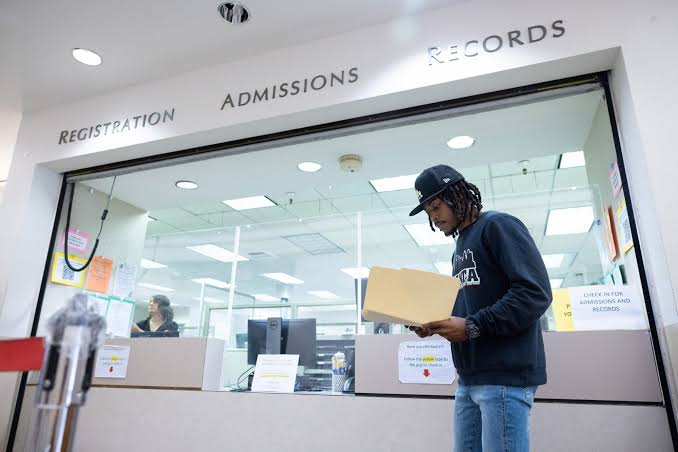
NYP admission is based on the qualification, the course and the admission exercise a student is applying to. Usually, those with qualifications obtained internationally will apply through the appropriate admissions route and must meet the minimum entry requirements for their chosen diploma. Some courses may have medical, language, aptitude or subject entry requirements. Expectations may be different for health sciences, design, media, engineering and ICT programs and students should check course-level requirements carefully.
In conclusion, Nanyang Polytechnic is the best for students who are looking for applied diploma education in Singapore with good industry relevance. It’s a practical choice for students who want to develop skills in business, technology, engineering, healthcare, science, design, media or hospitality, while keeping their options open for future university progression.
Business, engineering, information technology, health sciences, design, media, chemical and life sciences, hospitality, food science, cyber security, artificial intelligence, animation, games, nursing, oral health, social sciences and sports-related fields are among the courses offered. Its academic model is based on applied learning. Students are not only expected to study theories, but also to learn how to use them in practical situations. This is good for students who prefer projects, labs, simulations, industry assignments and real world problem solving to a purely exam based learning style.
NYP is particularly relevant to students who want to get an early professional direction. “For students interested in technology, there are options to study information technology, cybersecurity, artificial intelligence, business analytics, general ICT programs or digital systems. Healthcare is a popular choice for students, with options including nursing, oral health therapy, pharmaceutical science, biologics and related applied science. Students with a business orientation might consider accounting, banking, finance, business management, general business programs, food and beverage business, hospitality and tourism management or marketing related fields. Creative students can explore animation, game development, interaction design, experiential product design, visual communication, media-related courses.
“Learning at Nanyang Polytechnic is practical and career-oriented. Student activities typically include projects, presentations, lab work, design work, industry-based assignments, internships and team activities. This helps them develop technical skill along with communications, teamwork and problem-solving skills. Many diploma programmes also contain internship or industry attachment components, giving students exposure to professional environments prior to graduation.
NYP can serve as a good entry point for international students into Singapore’s education and employment ecosystem. Polytechnic diplomas in Singapore are well respected as they combine classroom learning with practical training. Students can use the diploma to gain entry into entry level career opportunities or to further their studies at universities in Singapore or overseas. The polytechnic route might be especially useful for students looking for a cheaper, more practical alternative to going straight into a university degree.
NYP admission is based on the qualification, the course and the admission exercise a student is applying to. Usually, those with qualifications obtained internationally will apply through the appropriate admissions route and must meet the minimum entry requirements for their chosen diploma. Some courses may have medical, language, aptitude or subject entry requirements. Expectations may be different for health sciences, design, media, engineering and ICT programs and students should check course-level requirements carefully.
In conclusion, Nanyang Polytechnic is the best for students who are looking for applied diploma education in Singapore with good industry relevance. It’s a practical choice for students who want to develop skills in business, technology, engineering, healthcare, science, design, media or hospitality, while keeping their options open for future university progression.