Uttarakhand Teachers to Get AI Learning Support Through SCERT–Kotak Partnership
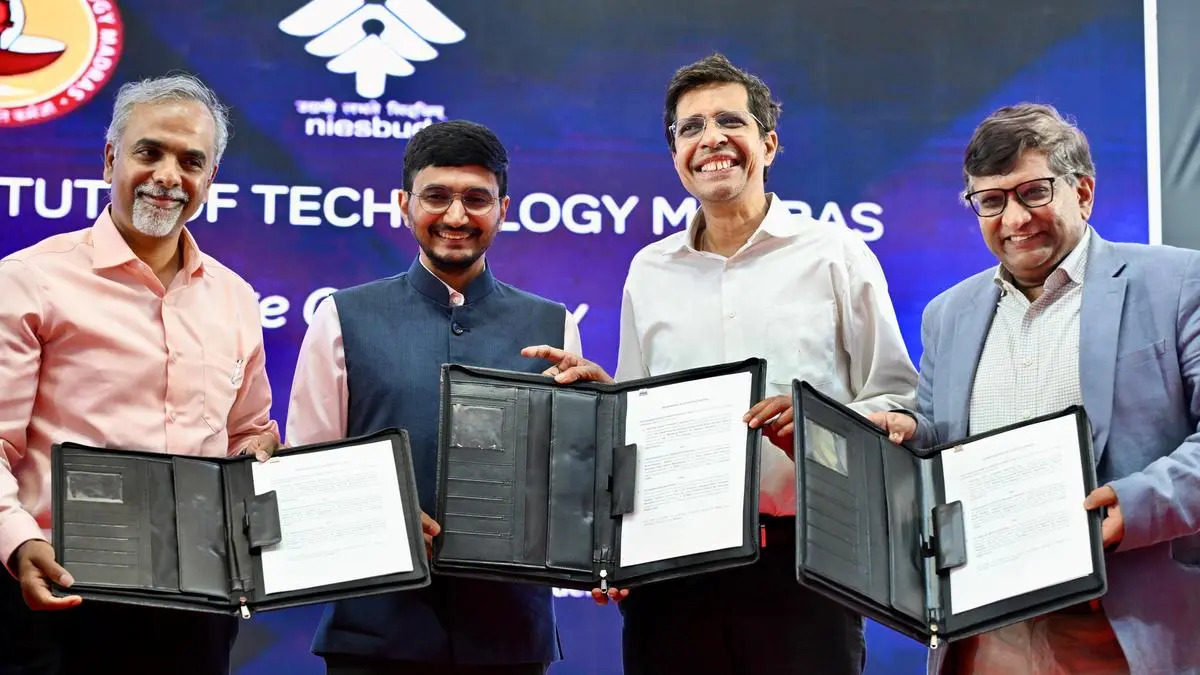
SCERT Uttarakhand and Kotak Education Foundation have signed a memorandum of understanding to strengthen teachers’ AI literacy and digital teaching skills. The collaboration will support online course development and help educators explore how emerging technologies can contribute to classroom learning.
The partnership brings together the State Council of Educational Research and Training’s academic expertise and the foundation’s educational and technical support. Its immediate focus includes developing learning content, designing online courses and supporting their delivery across Uttarakhand.
What Does the Partnership Cover?
| Focus Area | Planned Work |
|---|---|
| Learning content | Joint development of digital course material |
| Online courses | Course design, implementation and distribution |
| Technical assistance | Support for delivering online learning |
| Teacher development | Building AI literacy and technology integration skills |
| Expected delivery platforms | DIKSHA, UK e-Srijan and Mission Karmayogi |
AI Course to Be Adapted for Uttarakhand
Kotak Education Foundation plans to work with SCERT to adapt its AI course for educators for teachers in the state. Its existing AI Saathi for Educators course was developed with SCERT Maharashtra and is available through DIKSHA.
Adapting a course for a new state creates an opportunity to connect training with local classroom needs. Relevant examples, understandable instructions and opportunities to practice can help teachers assess how a digital tool fits their subject and students.
Why AI Literacy Matters in the Classroom
For teachers, AI literacy involves understanding both the uses and limitations of a tool. Producing a worksheet quickly is only useful if the questions are accurate, appropriate for the class and aligned with the lesson’s purpose.
As an illustrative classroom exercise, a teacher could compare an AI-generated explanation with a textbook passage, identify errors and rewrite confusing language. This demonstrates the kind of critical judgment that can make technology useful in teaching; it is not a confirmed module of the announced course.
Student Innovation Also Discussed
The discussions included possible support for Innovate Uttarakhand Hackathon 3.0, including awards, reviewers, jury participation and assistance with developing selected ideas into prototypes.
Girls’ education scholarships, foundational literacy and numeracy, and English communication were also explored as potential areas of cooperation. These discussions should be distinguished from the initial agreement’s central focus on online courses and technical collaboration.
What Teachers Should Look for Next
- Enrollment instructions: Who can participate and how teachers will access the course.
- Course structure: Module topics, expected study time and practical activities.
- Delivery details: The platform and language options available for each course.
- Completion requirements: Any assessment, assignment or certification conditions.
- Support arrangements: Where participants can seek academic or technical assistance.
A confirmed registration deadline, training calendar and certification framework were not established in the announcements reviewed. Teachers should follow subsequent SCERT instructions for these operational details.
The partnership’s classroom value will become clearer as courses are delivered and teachers apply what they learn. Useful measures of progress would include whether participants can evaluate digital material, adapt it to their lessons and explain why a particular tool helps students understand a topic.
q.jpg)