

Transforming Higher Education: A Global Roadmap for the Future
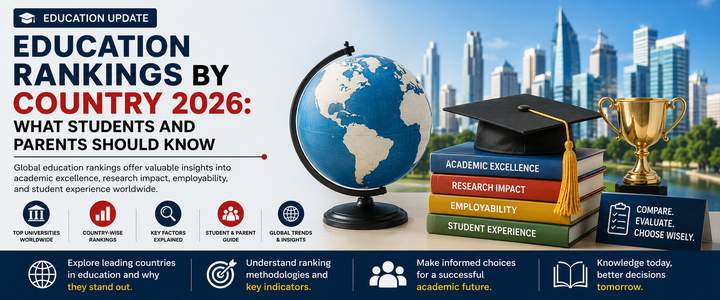
Higher education worldwide is undergoing rapid transformation, driven by technological advancements, shifting student demographics, and evolving workforce demands. Universities and colleges are adapting to new models of teaching, research, and collaboration to better prepare students for the future. This global roadmap highlights key trends and strategies shaping the future of higher education, offering insights for students, parents, and educators to navigate the changing landscape effectively.
Key Highlights
- Higher education is expanding rapidly with increasing student enrollment worldwide.
- Digital learning and hybrid education models are becoming mainstream.
- Institutions are focusing on skills-based curricula aligned with labor market needs.
- International collaboration and student mobility remain vital despite challenges.
- Equity, inclusion, and sustainability are central to future education policies.
- Governments and institutions are investing in research and innovation ecosystems.
What Happened?
The global higher education sector is witnessing unprecedented growth, with more students accessing university-level education than ever before. This surge is accompanied by pressures to modernize teaching methods, incorporate technology, and ensure relevance to evolving job markets. Universities are increasingly adopting blended learning approaches that combine online and face-to-face instruction, enhancing flexibility and accessibility.
At the same time, there is a growing emphasis on equipping students with practical skills such as critical thinking, digital literacy, and problem-solving. Institutions are revising curricula to better match employer expectations and global economic trends. International partnerships continue to play a crucial role in research and student exchange programs, fostering cross-cultural understanding and innovation.
Policy discussions worldwide are focusing on how to make higher education more inclusive and sustainable, addressing disparities in access and outcomes among diverse student populations.
Why This Update Matters
Students and parents should be aware of these global shifts as they influence study choices, career planning, and educational experiences. Understanding the move towards digital and skills-focused education can help learners prepare better for future opportunities. For applicants, knowing about international collaborations and mobility options can expand horizons beyond local institutions.
Educators and policymakers can use these insights to align teaching practices and institutional strategies with global trends, ensuring students receive quality education that meets modern demands. This update also highlights the importance of sustainability and equity, encouraging stakeholders to advocate for fair access and support systems.
Official Status
As per media reports and expert analyses, these trends are widely recognized across global education forums and policy discussions. Official confirmation from international education bodies is ongoing, with detailed frameworks expected to be published in the near future.
Students and educators are advised to monitor announcements from major organizations such as UNESCO, OECD, and regional education ministries for formal updates.
Important Details
| Particular | Details |
|---|---|
| Topic | Global Trends and Roadmap for Higher Education Transformation |
| Country | Global |
| Category | Education Policy |
| Status | Expected / Official Confirmation Awaited |
| Applicable For | Students, Parents, Educators, Policymakers |
| Official Website | Official confirmation awaited; check UNESCO and OECD websites |
| Next Step | Stay updated on policy announcements and adapt learning strategies accordingly |
How Students Can Follow This Update
While this update is not about a specific exam or application, students can benefit by tracking developments in higher education policies and trends to make informed decisions about their studies and careers.
- Follow news and reports from international education organizations.
- Engage with your institution’s updates on curriculum and learning methods.
- Explore digital learning platforms and skill development resources.
- Consider opportunities for international exchange or collaboration.
- Discuss future education plans with counselors or mentors informed about global trends.
Documents Or Details Students May Need
- Academic transcripts and certificates for admissions or exchanges.
- Identification documents for international mobility programs.
- Access credentials for digital learning platforms.
- Information on scholarship or funding opportunities.
What Students Should Do Next
- Stay informed about changes in higher education policies globally.
- Develop digital skills and adapt to blended learning environments.
- Seek guidance on aligning study choices with future job market needs.
- Explore international study or research opportunities.
- Engage with your institution’s career and academic counseling services.
- Advocate for inclusive and sustainable education practices in your community.
Important Links
| Link Type | Website / Status |
|---|---|
| Official Website | Official confirmation awaited; check UNESCO.org and OECD.org for updates |
FAQs
Key trends include the rise of digital and hybrid learning, focus on skills-based curricula, increased international collaboration, and emphasis on equity and sustainability.
How will these changes affect students?Students will experience more flexible learning options, need to develop new skills, and have greater opportunities for international exposure and collaboration.
Are these changes already implemented worldwide?Many institutions have started adopting these changes, but full implementation varies by region and is ongoing as per institutional and governmental policies.
Where can students find official updates on these developments?Official updates are typically published by international bodies like UNESCO, OECD, and national education ministries. Students should regularly check these sources.
What skills should students focus on developing?Critical thinking, digital literacy, adaptability, communication, and problem-solving are among the most valued skills in the evolving education and job markets.
How can parents support their children through these changes?Parents can encourage flexibility, support digital learning, stay informed about education trends, and help children explore diverse learning and career options.